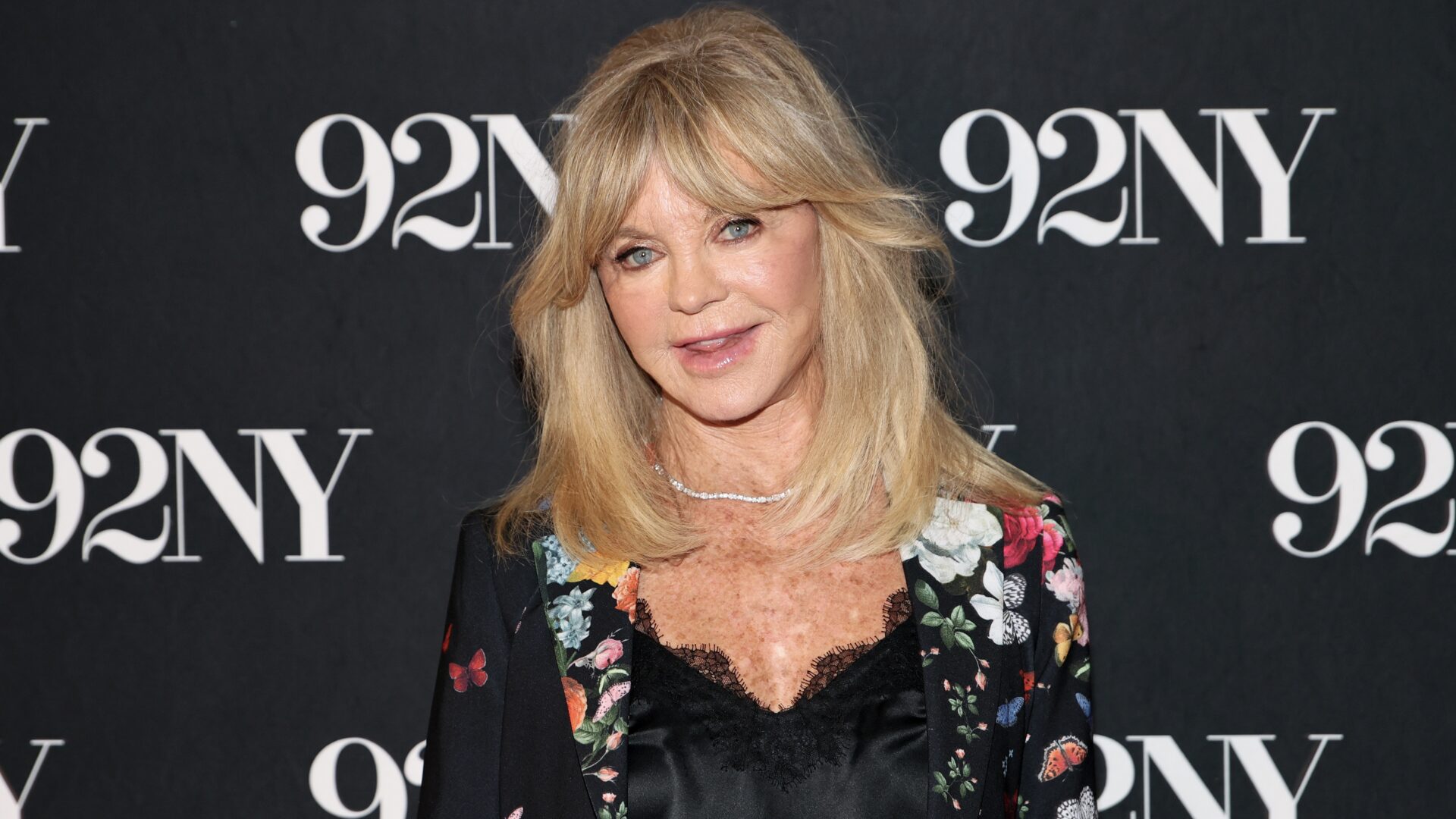
Actress Goldie Hawn sounded the alarm on childhood fame and why early stardom causes so many problems.
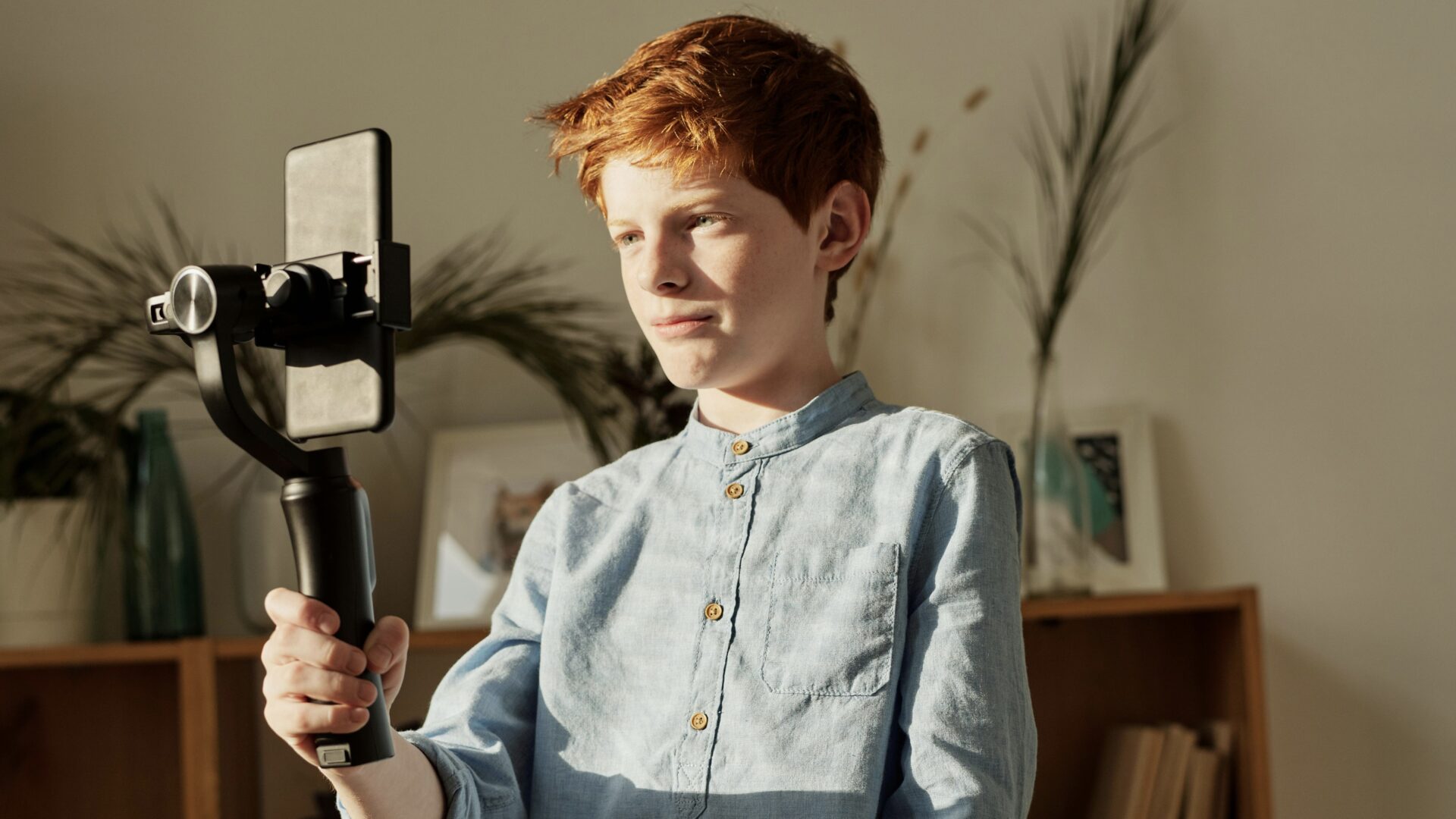
“It’s a nightmare. All I can say is it’s a nightmare,” she said of child and teen influencers in a discussion with social psychologist Jonathan Haidt, author of The Anxious Generation.
She added, “They don’t have the ability to have the vision. They’re not taught that. They don’t have the witness. And I can tell you they have no tools.”
Although many child stars have suffered in various ways, Hawn acknowledges that long-time boyfriend Kurt Russell is an exception and didn’t face that “nightmare,” despite being a child star.
“Kurt Russell is an exception,” she said. “He’s been acting since he was 9 years old. He’s also a baseball player. He doesn’t believe in all this stuff. He’s very strict on all of it, on the way he looks at life.”
But that’s not how it goes for most people who find fame at a young age.
Related: Goldie Hawn on Cancel Culture: ‘The Level of Sensitivity is Unforgiving’
“…most kids today, not then, are really susceptible,” Hawn said. “And they’re susceptible because of the very things we’re talking about. They have been given zero tools to understand how to handle it. Not just that, but to know the beauty and the fragility of, as we learn as an adolescent.”
At the end of the day, fame and social media are not reality, a truth Hawn recognizes.
“It’s a false world,” the actress said. “I always believed that I could only do as good as I could be. And it wasn’t anything. And I look at this and I think, ‘What happens to children who didn’t feel they earned it?’ They’re not earning it. They didn’t dance every weekday. They didn’t take voice lessons. They didn’t take ground balls.”
She continued, “They didn’t have the grit to understand that you have to work for your accolades. It just doesn’t happen like that.”
Haidt often speaks out about the dangers of social media and how tech takes away from normal childhood experiences.
“We thrive when we are together with others, in real life, having five-sensory experiences in space and time,” he posted last month alongside an AI video that highlights the beauty of childhood and adolescence before fame and phones. “Synchronous, embodied, private time together — rather than the asynchronous, disembodied, and one-to-millions-of-strangers experiences and curated brands that social media promotes and that teens grow up getting used to.”
He added, “The brain needs these in-person experiences to wire up properly, to develop the many capacities that make for a full and well-lived life, and that create capable, well-adjusted and happy adults.”
Hawn and Haidt’s statements are a sobering wake-up call to the problems caused by fast fame and social media.
Read Next: 5 Signs You’re Addicted to Social Media and How to Fight It
Questions or comments? Please write to us here.