STEEL
A charismatic vigilante thriller best saved for discerning adults.
Should You Watch It?
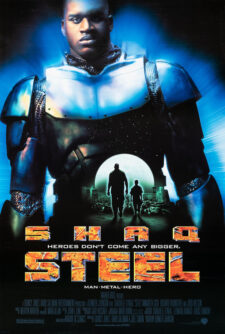
Steel has real entertainment value. Shaquille O’Neal brings charisma and stage presence to John Henry Irons, an army high-tech weapons specialist who becomes an urban commando. The story is clear, the cinematography is good, and the action gives the film strong commercial energy.
But the movie’s violence is not merely incidental. The source review calls much of it gratuitous, especially the street gang’s killing of dozens of victims during robberies. The film also presents vigilantism and personal vengeance as the hero’s chosen answer to a dangerous weapons threat.
That combination makes this a better home viewing choice for discerning adults than a family movie. Watch it only if you can engage its violence and vigilante message thoughtfully.
The Story
NO SPOILERS — WE KEEP THE SURPRISESJohn Henry Irons is an army specialist who helps develop high-tech weapons. After a weapons test goes terribly wrong, he leaves the military and seeks a quieter life.
When a renegade weapons runner steals the technology and supplies criminal gangs, Irons realizes that ordinary police weapons may not be enough. With help from people close to him, he builds powerful equipment of his own and takes on the criminals as a super-weapons vigilante.
Is It Any Good?
Three stars means Steel is a solid, entertaining action adventure with meaningful flaws. The film has a clear story, good cinematography, and high production values. Shaquille O’Neal’s charisma and stage presence make his heroic role watchable, especially as he plays a gentle giant transformed into a high-tech weapons commando.
The weakness is the film’s continual violence. The source review specifically calls some of it unnecessary and argues that the movie lacks maturity. It is a conventional good-guys-versus-bad-guys story whose strongest asset is its star.
The Worldview
Steel presents urban commandos using guerrilla warfare and high-tech weapons to fight criminals. It exalts courage, strength, and the determination to stop destructive weapons from reaching criminal gangs.
Its central moral problem is the hero’s decision to take justice into his own hands. The movie frames personal vendetta and vengeance as practical answers to an urgent threat, while leaving the authorities largely outside the hero’s plan. That departs from a biblical view of justice, which does not authorize private revenge.
The film’s pagan worldview is expressed through its urban-commando approach to guerrilla warfare rather than through a biblical understanding of lawful authority and justice. Scripture says, “Beloved, never avenge yourselves, but leave it to the wrath of God” (Romans 12:19).
The Content Guide
The specifics — spoilers included by nature — so you can judge for your own family.
Content Summary
Pagan worldview of urban commandos doing guerrilla warfare in downtown Los Angeles; 6 obscenities; at least 12 murders by machine stun-guns; no sex; no nudity; and, hero takes justice into his own hands, personal vendetta themes and vengeance.
Talk About It
Questions for the drive home, the dinner table, or the youth group.
What is the difference between protecting people and taking personal revenge?
Romans 12:19 · Proverbs 20:22When should people seek help from authorities instead of acting alone?
Romans 13:1–4 · 1 Peter 2:13–14The film treats powerful weapons as a way to answer powerful criminals. What does Scripture teach about the power of violence and the pursuit of peace?
Matthew 5:9 · Romans 12:18How can a desire to stop evil become mixed with pride, anger, or vengeance?
James 1:19–20 · Ephesians 4:31–32The Final Word
Steel offers clear storytelling, good cinematography, and Shaquille O’Neal’s considerable charisma. Its continual violence and vigilante themes make it unsuitable for children and young teens. For discerning adults, WAIT FOR HOME — ADULTS ONLY. For a family movie night, choose from.