CHIP ‘N’ DALE: PARK LIFE: Episodes 1.1-10
Funny, heartwarming chipmunk chaos with lessons in love and right action.
Should You Watch It?
Chip and Dale’s first-season adventures are chaotic, simple and often funny. The animation is not Disney’s best, and the lack of discernible dialogue can weaken some moments. Still, the series is heartwarming and accessible for families.
The chipmunks regularly cause trouble through stealing, selfishness, rivalry and poor choices. But they usually learn from their mistakes and try to do what is right. Their strongest example is their love for each other: whatever trouble one causes, the other remains ready to help.
You can watch this with your family if you are comfortable discussing cartoon violence and mischievous behavior that is usually corrected by the end.
The Story
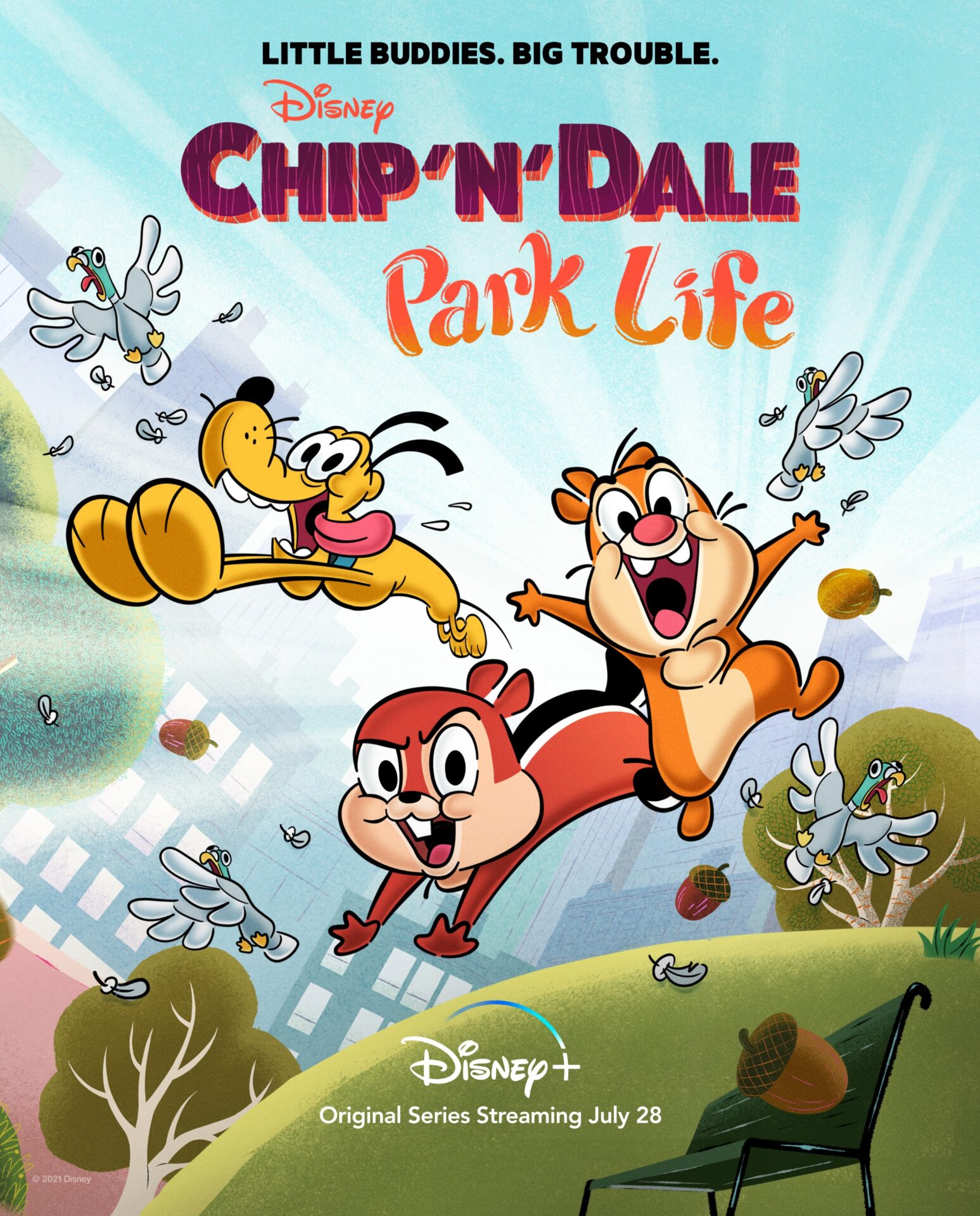
NO SPOILERS — WE KEEP THE SURPRISESChip and Dale are mischievous best friends living in a park where every day brings a new adventure. They search for nuts and berries, cause trouble for Pluto and the other animals, and meet new friends along the way.
Their schemes involve packages, food, games, pets and almost anything else they find in the park. Even when their plans go badly, the two chipmunks keep helping each other and learning what it means to do the right thing.
Is It Any Good?
Three stars means this is a funny, heartwarming series with clear limitations. The simple animation suits the chaotic chipmunks, and many of the storylines provide entertaining situations and satisfying moral lessons.
The lack of dialogue takes away from some parts, especially because Chip and Dale are known to speak rather than only communicate in chipmunk sounds. This is not Disney’s best animated cartoon, but its humor and warmth make it worthwhile for families.
The Worldview
The series presents a strong moral worldview with redemptive elements. Chip and Dale frequently make selfish or reckless choices, including stealing and refusing to share, but they usually learn from their mistakes and try to do the right thing.
The most important value the show presents is the chipmunks’ love for each other. Whatever trouble one causes, the other remains ready to help and save him. Their relationship shows that love can endure conflict and mistakes.
The series also includes comical depictions of God-like hands that are actually a delivery boy, with one chipmunk mistakenly worshiping them. Another cartoon includes a dog appearing as a ghost before lightning reanimates him. These elements are presented comically rather than as serious spiritual teaching.
At its best, the show encourages love, forgiveness and moral growth. Those themes align with Scripture’s command: “A new commandment I give to you, that you love one another: just as I have loved you, you also are to love one another” (John 13:34).
The Content Guide
The specifics — spoilers included by nature — so you can judge for your own family.
Dominant Worldview and Other Worldview Content/Elements
Very strong moral worldview with redemptive elements stresses loving each other, learning from one’s mistakes, trying to do the right thing, and one episode is titled “Thou Shalt Nut Steal,” plus a few comical depictions in one cartoon of God-like hands that are really just a delivery boy, but one chipmunk thinks it’s God and worships them, and some comical occult content in one of 30 cartoons viewed shows a dog dying and coming back as a ghost, but lightning reanimates the dog, and he comes out of his grave
Foul Language
No foul language, but two scenes where a dog is implied to be urinating on a fire hydrant
Violence
Many chase scenes, animals hitting/throwing thing at one another, some fighting, animals being angry at one another, a “ghost” gets hit by car, assumptions of killing and blood (it’s just raspberries being cut and dragged, etc.), ducks beat up eagle, shooting with a spider is implied, cart with chipmunks and dog goes into oncoming traffic, machete depicted, assumption of dog fighting (turns out to be a talent contest), trying to hide a “dead” body
Sex
No sex
Nudity
No human nudity
Alcohol Use
Assumption of a bar scene (alcohol isn’t explicitly depicted), a wine opener depicted, acorns appear in a six pack
Smoking and/or Drug Use and Abuse
No smoking or drugs;
Miscellaneous Immorality
Strong miscellaneous immorality includes many scenes of chipmunks stealing (including packages, food, crochet needles, etc.), chipmunk uses a human baby as a horse, rivalry, revenge, chipmunks have a hard time sharing things, and a magician is depicted, but things usually turn out well by the end of a cartoon.
Talk About It
Questions for the drive home, the dinner table, or the youth group.
Chip and Dale often make mistakes before choosing to do what is right. What helps you admit a mistake and make it right?
Proverbs 28:13 · James 5:16The chipmunks struggle with stealing and sharing. Why does God care about how we treat other people’s belongings?
Exodus 20:15 · Philippians 2:3–4Chip and Dale remain ready to help each other after arguments and failures. What does patient love look like in your family?
1 Corinthians 13:4–7 · Colossians 3:13–14One cartoon shows a character worshiping something that only appears to be God-like. Why must we be careful about what we worship?
Exodus 20:3–5 · Acts 17:29The Final Word
CHIP ‘N’ DALE: PARK LIFE is not Disney’s finest animation, but it is funny, warm and built around moral growth and faithful friendship. Younger children may need help processing the stealing and cartoon violence. For a light family series with positive lessons, our answer is WORTH WATCHING.