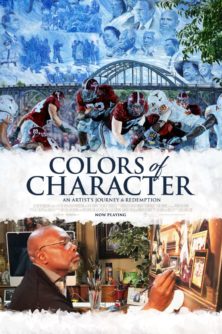
COLORS OF CHARACTER: AN ARTIST’S JOURNEY TO REDEMPTION
Powerful redemption story with strong Christian convictions.
Should You Watch It?
If you want a true-life story about redemption, faith, and obedience to God, this documentary gives you meaningful reasons to watch. Steve Skipper’s journey from gang life and drug dealing to becoming a successful sports painter is presented through his testimony and interviews with mentors, friends, sports figures, faith leaders, and civil rights icons.
The film’s strongest quality is its clear Christian, biblical worldview. Skipper’s story emphasizes salvation, trusting wholly in God, and following God’s will even when obedience brings setbacks and difficult choices. The presentation is not flawless: supplementary footage and acted reenactments sometimes distract from the interviews.
The documentary includes brief reenacted violence, drug-related material, and mention of an affair. Families can watch, but parents should use discernment with younger children. For a faith-centered story of transformation, WORTH THE TRIP.
The Story
NO SPOILERS — WE KEEP THE SURPRISESSteve Skipper grows up in Alabama during the Civil Rights Movement, surrounded by artistic talent but also racism that affects the fine-arts world. Though he has no formal training, his ability as a painter eventually attracts the attention of sports legends.
Before that success, however, Skipper joins a powerful gang and becomes involved in selling drugs. His life changes when he encounters a Christian message that confronts him with God’s call to leave his life of crime and pursue a different path.
Is It Any Good?
Three stars means this is a compelling and worthwhile documentary with noticeable presentation flaws. Skipper’s paintings are detailed, and the interviews with people who know his story help communicate the remarkable contrast between his past and his success.
The documentary is most effective when Skipper and the interview subjects tell the story directly. Supplementary footage and the acting in reenactments of his early life sometimes distract from what the interviews are saying. Still, the powerful redemption story and strong faith perspective give the film lasting value.
The Worldview
This documentary presents a very strong Christian, biblical, moral worldview. It exalts redemption, salvation, prayer, obedience, providence, and trusting wholly in God. Skipper’s transformation is the heart of the story, and the film portrays God as calling him away from crime and using his talent despite his setbacks and the racial barriers he faces.
The film also treats racism as a significant force in Skipper’s life and in the fine-arts world. His uncle felt he was not allowed to become an artist because of the racism of the time, while Skipper later breaks through racial barriers to become an influential painter.
The documentary’s central message is that a changed life requires listening to God and obeying Him. That emphasis aligns with Scripture’s teaching: “Therefore, if anyone is in Christ, he is a new creation. The old has passed away; behold, the new has come” (2 Corinthians 5:17).
The Content Guide
The specifics — spoilers included by nature — so you can judge for your own family.
Dominant Worldview and Other Worldview Content/Elements
Very strong Christian, biblical, moral worldview with powerful examples of redemption, trusting wholly on God and obedience, plus one man’s salvation is the crux of the story so church, faith, salvation, and providence are important themes, and there are mentions of prayer and following God’s Will
Foul Language
No foul language
Violence
Brief violence in reenactments of man’s life before his salvation, with brief bullying, brief shot of a gun, the documentary covers Bloody Sunday and other violence during the Civil Rights Movement in the 1960s, and some old footage of the brawl is shown, but no blood
Sex
An affair is mentioned
Nudity
No nudity
Alcohol Use
Alcohol briefly mentioned
Smoking and/or Drug Use and Abuse
Before he is saved, a man’s job was to sell drugs to the faculty and students at his school, man is involved with selling drugs for his gang leaders, and it’s revealed the man got addicted to several drugs, but miraculously he experienced no symptoms of ever being addicted after being saved;
Miscellaneous Immorality
Since the movie takes place in Alabama in the 1960s, racism is a common theme that plays a role in a man’s life.
Talk About It
Questions for the drive home, the dinner table, or the youth group.
Skipper faces a difficult choice between his gang life and God’s call. What choices help us obey God when obedience costs us something?
Deuteronomy 10:12–13 · John 14:15The documentary presents salvation as the beginning of a transformed life. What does Scripture say changes when someone is in Christ?
2 Corinthians 5:17 · Ephesians 2:10Skipper continues to face setbacks after becoming a Christian. How can trusting God shape the way we respond to disappointment?
Proverbs 3:5–6 · Romans 8:28Racism affects the artistic opportunities available to people in the story. How does Scripture call Christians to treat people from every background?
James 2:1–9 · Galatians 3:28The Final Word
This is a moving story of a man rescued from gang life and given new purpose through faith, obedience, and art. Its reenactments can distract, and parents should use discernment with younger children because of the drug and gang-violence material. For families seeking a strong Christian message of redemption, WORTH THE TRIP.