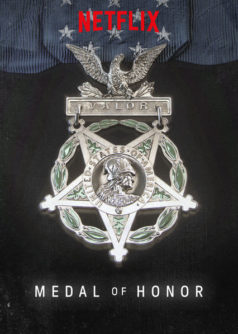
MEDAL OF HONOR: Edward Carter
A powerful war story of bravery and self-sacrifice, for teens and adults.
Should You Watch It?
This episode tells a powerful story of bravery, redemptive self-sacrifice, and courage in the face of racism. Its narration and interviews carefully describe the U.S. military during World War II, while its dramatized sections give Edward Carter’s story emotional force.
The episode’s main weakness is its worldview tension. It sometimes seems to glorify combat rather than service, and some violent scenes make it inappropriate for younger children. The dramatized writing can also feel hokey, though the performances are strong.
For teenagers and adults who can approach wartime violence with discernment, this is worth watching.
The Story
NO SPOILERS — WE KEEP THE SURPRISESThe third episode of MEDAL OF HONOR follows Edward Carter, a Black soldier serving in World War II. As American troops push into the German homeland, Carter and his unit face a dangerous ambush. The episode combines narration, interviews, and dramatized scenes to tell the story of his courage and sacrifice.
Is It Any Good?
Three stars means this is a powerful, worthwhile episode with noticeable weaknesses. The narration and interviews provide a careful description of the U.S. military during World War II, and the performances in the dramatized sections are strong.
The writing in those dramatized sections feels a little hokey compared with other episodes. Even so, the episode’s story of bravery gives it real weight.
The Worldview
This episode presents bravery, patriotism, and redemptive self-sacrifice as important virtues. It also treats racism as a great evil, a moral judgment that aligns with the biblical truth that God shows no partiality and commands His people to reject partiality.
The more complicated issue is the episode’s treatment of combat. Its story honors courage under fire, but it can seem to glorify combat itself rather than service. That distinction matters: courage may be admirable, while violence still deserves sober moral consideration.
The episode’s central emphasis on sacrificial courage can prompt reflection on Christ’s words: “Greater love has no one than this, that someone lay down his life for his friends” (John 15:13).
The Content Guide
The specifics — spoilers included by nature — so you can judge for your own family.
Content Summary
<strong>
Dominant Worldview and Other Worldview Content/Elements
</strong> Strong moral, patriotic worldview where bravery and redemptive self-sacrifice are important character traits and where racism is a great evil, but where combat (rather than service) is inappropriately glorified; <strong>
Foul Language
</strong> Two obscenities, four profanities (including one use of God’s name); <strong>
Violence
</strong> Gunfire, artillery fire, several people are hit and even killed by gunfire, some gore and blood; <strong>
Sex
</strong> One sexual joke, a married couple kisses passionately, then falls into a bed together; <strong>
Nudity
</strong> A man in seen in only his boxers; <strong>
Alcohol Use
</strong> No alcohol use; <strong>
Smoking and/or Drug Use and Abuse
</strong> No smoking or drug content; and, <strong>
Miscellaneous Immorality
</strong> Some discussions and portrayals of Nazism.
Talk About It
Three questions for the couch, the commute, or the couple bingeing it together.
The episode presents bravery and self-sacrifice as important virtues. What makes a sacrifice genuinely loving rather than merely reckless?
John 15:13 · Romans 12:1The story identifies racism as a great evil. How does Scripture teach us to treat people without partiality?
James 2:1–9 · Acts 17:26The episode can seem to glorify combat rather than service. How should courage be balanced with a commitment to peace and doing good?
Matthew 5:9 · Romans 12:21The Final Word
This is a powerful account of courage and sacrifice, strengthened by careful narration, interviews, and strong performances. Its combat violence and complicated treatment of war call for discernment, especially with younger viewers. For teenagers and adults, WORTH WATCHING — TEENS AND ADULTS.