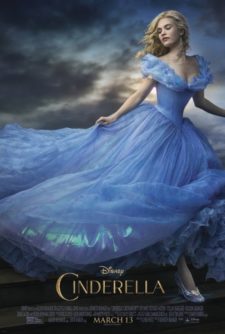
CINDERELLA
Step into a beautiful, kind-hearted fairy tale for older children and adults.
Should You Watch It?
This is an unusually kind and morally serious family film. Its central lesson is simple: goodness, courage, purity, forgiveness, and loyalty matter even when life makes them difficult. Ella’s parents give her a strong foundation, and her promise to remain kind becomes the film’s test of character.
The movie is also very well produced. The sets and costumes are beautiful, the plot is clear, and the acting is excellent. Lily James brings innocence and kindness to Cinderella, while Cate Blanchett makes the stepmother mean without making her too frightening for younger viewers.
The tradeoff is traditional fairy-tale magic, including fairies and a fairy godmother. The content review also notes a brief high-speed fall, light drinking, lying, and a universalist comment. For most families seeking an uplifting, morally grounded story, this is an easy theatrical recommendation.
The Story
NO SPOILERS — WE KEEP THE SURPRISESElla is raised by loving parents who teach her that kindness and goodness lead to happiness. After her mother dies, Ella promises to remain kind whatever happens.
Years later, Ella’s father remarries Lady Tremaine, who moves into the family home with her two daughters. When Ella’s father dies, her new stepfamily treats her cruelly and forces her to work as a servant. Called “Cinderella” because of the ashes covering her, Ella escapes to the forest, where she meets a young man she does not know is Prince Charming.
Is It Any Good?
Four stars means this film succeeds both as entertainment and as a polished fairy tale. The production is very well done, with beautiful sets and costumes. The story has a clear plotline, strong turning points, and climactic moments.
The acting is excellent throughout. Lily James effectively plays an innocent, kind Cinderella, while Cate Blanchett gives the stepmother a memorable meanness that never becomes too frightening for younger children. The film’s moral clarity and redemptive elements give its familiar story genuine appeal.
The Worldview
Cinderella presents a strong Christian moral worldview through an allegory about living faithfully amid trials and tribulations. It honors courage, kindness, goodness, forgiveness, loyalty, purity, innocence, loving others despite their flaws, and strong pro-family ideals.
Ella’s promise to her mother reflects the source review’s comparison to Psalm 15: her character is defined by keeping her word and treating others well. The film argues that kindness is better than jealousy and cruelty, and that goodness can overcome evil. Ella is happier being loving and kind than the mean stepmother is being rude and selfish.
The film also includes songs of praise and thanksgiving, redemptive elements, and people coming out of a church. Its fairy-tale world contains fairies and fairy godmothers who use magic, with analogies to angels and God’s miracles. One comment is universalist, and one scene presents an environmentalist idea about not hunting an animal.
The film’s central call to kindness aligns with Scripture: “And let us not grow weary of doing good” (Galatians 6:9).
The Content Guide
The specifics — spoilers included by nature — so you can judge for your own family.
Content Summary
Very strong Christian worldview allegory about living a Christian life by manifesting courage and kindness as elements of the fruit of the Holy Spirit (love, joy, peace, patience, kindness, goodness, faith, gentleness, self-control) with PILGRIM’S PROGRESS themes with redemptive elements and strong biblical Christian moral values honoring being good and kind to others, forgiveness, loyalty, strong pro-family ideals presented, purity and innocence extolled, positive portrayal of loving someone with all their flaws, people come out of a church, some magical elements of fairies and fairy godmothers using magic with CS Lewis and Tolkien type analogies to angels and God’s miracles after heroine cries out in an appeal to her mother which resembles a prayer, plus one universalist comment as mother says she believes in everything (fairies and all) and one environmentalist scene about not hunting an animal; no foul language; no violence but character falls and rolls out of a moving transportation unit at high speeds; no sexual content but one light kiss between married couple; no nudity; light drinking; no smoking or drug use; and, lying.
Talk About It
Questions for the drive home, the dinner table, or the youth group.
Ella promises her mother to remain kind no matter the circumstances. What makes kindness difficult, and how can you practice it when someone treats you unfairly?
Galatians 5:22–23 · Ephesians 4:32Ella’s parents’ love strengthens her character. How can a family help one another become more courageous and faithful?
Deuteronomy 6:6–7 · 1 Thessalonians 5:11The film contrasts kindness with jealousy and cruelty. Why does Scripture warn us about envy, and what replaces it?
Proverbs 14:30 · Philippians 2:3–4The story includes fairy-tale magic and a moment resembling prayer. How should Christians distinguish imaginative storytelling from trusting God?
Philippians 4:6–7 · 1 Thessalonians 5:21The Final Word
Beautifully made, excellently acted, and unusually clear about kindness, goodness, forgiveness, and loyalty, Cinderella gives older children and adults a fairy tale with a strong moral heart. Its magical elements are familiar to the genre, and its other concerns are light. WORTH THE TRIP.