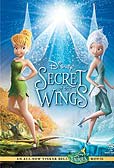
SECRET OF THE WINGS
A beautifully animated fairy tale with a lesson for families.
Should You Watch It?
SECRET OF THE WINGS is beautifully animated, G-rated entertainment with no foul language or violence. It offers friendship, heroic teamwork, and strong moral points about not being selfish.
The concern is the story’s treatment of rebellion. Tinker Bell disobeys the rules, and her rebellion ultimately leads to long-term good. The movie also shows that the fairy leaders had good reasons to keep the summer and winter fairies apart, but children may still need help understanding that disobedience is dangerous even when the outcome appears positive.
This is a good choice for families who will discuss the difference between a happy result and wise obedience. WORTH THE TRIP for all ages, with a thoughtful conversation afterward.
The Story
NO SPOILERS — WE KEEP THE SURPRISESTinker Bell lives among the summer fairies, where she helps prepare baskets for the winter fairies. When curiosity draws her toward the forbidden winter region, she discovers Periwinkle, a winter fairy who is also her sister.
The two become friends, and Tinker Bell creates a way for Periwinkle to visit the summer region. But crossing the boundary between summer and winter brings serious danger, requiring the two groups to work together.
Is It Any Good?
Four stars means this is excellent family entertainment. The movie is described as beautifully animated, and its fairy story is designed for all ages.
The film combines fantasy, friendship, heroic effort, and strong moral points about not being selfish. Its main weakness is not craft but its message: the story allows rebellion to produce a lasting positive result.
The Worldview
The fairy world includes summer and winter communities separated by rules that protect them from one another. Those rules have good reasons behind them, and the movie shows the danger of ignoring them. It also presents selfishness as wrong and celebrates friendship, cooperation, and heroic effort.
The central problem is that Tinker Bell’s disobedience eventually leads to long-term good. The story therefore risks teaching children that rebellion can be justified when it produces a positive outcome. The review compares this theme to THE LITTLE MERMAID, where rebellion also leads characters to work together after a catastrophe.
The film’s view differs from a biblical understanding of obedience. God does not need to learn from mankind what is best, and disobedience against Him invites problems. “Children, obey your parents in the Lord, for this is right” (Ephesians 6:1).
The Content Guide
The specifics — spoilers included by nature — so you can judge for your own family.
Content Summary
Light Romantic worldview where rebellion leads to long-term good, with strong moral points about not being selfish; no foul language, violence, sex, nudity, alcohol, smoking, or drugs, and, characters referred to as “Lord” and “Queen” of the fairies.
Talk About It
Questions for the drive home, the dinner table, or the youth group.
Tinker Bell disobeys a rule because her curiosity is stronger than her commitment to obedience. When should we trust that parents, teachers, or leaders have reasons for boundaries we do not yet understand?
Ephesians 6:1 · Proverbs 3:5–6The movie shows that rebellion can lead to a positive result. Does a good outcome make a disobedient choice wise?
Romans 6:1–2 · Galatians 6:7The summer and winter fairies must work together after Tinker Bell’s actions create a catastrophe. How can we repair harm after making a selfish or disobedient choice?
James 5:16 · 1 John 1:9The story includes strong moral points about not being selfish. What does putting others first look like in your family this week?
Philippians 2:3–4The Final Word
SECRET OF THE WINGS is a beautifully animated, all-ages fairy story with no foul language or violence. Its rebellion theme deserves a clear family conversation, but its friendship, cooperation, and moral points make it WORTH THE TRIP.