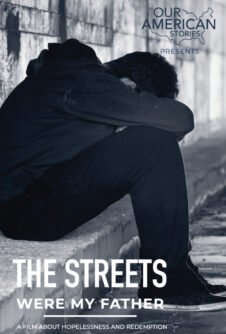
THE STREETS WERE MY FATHER
A powerful Christian testimony documentary about redemption through Jesus.
Should You Watch It?
If you want a documentary that puts the Gospel of Jesus Christ at the center, this is worth your time. Three men tell emotional stories of fatherlessness, gang crime, violence, imprisonment, and the Christians who witnessed to them about Jesus. Their testimonies move from sin and suffering toward salvation, sanctification, peace, joy, service, and fulfillment in Christ.
The film does not treat redemption as cheap grace. Its violent and criminal past is clearly presented as wrong, while forgiveness and a changed life are presented as real. Personal photographs, street scenes, prisons, churches, and Bibles give the testimonies a simple visual setting.
Watch it with older children and adults, especially if you want to discuss the Gospel, fatherlessness, forgiveness, and transformed living. The practical answer: WORTH THE TRIP.
The Story
NO SPOILERS — WE KEEP THE SURPRISESCarlos Colon, Louis Dooley, Jr., and Leslie Williams tell how losing or being abandoned by their fathers helped leave them vulnerable to gang crime and violence. Their paths eventually led to local jails and prisons.
In confinement, each man encountered Christians who told him about Jesus. The documentary follows their testimonies of sin, salvation, forgiveness, and the changed life that began through Christ.
Is It Any Good?
Four stars means this documentary is exceptionally powerful and effective. It is simply but beautifully structured, relying on three men giving their Christian testimonies and punctuating those accounts with personal photographs, street scenes, prisons, churches, and men reading Bibles.
The stories are soul-stirring and riveting, with tears of joy that make the testimonies feel deeply personal. The film’s straightforward structure serves its purpose well: the Gospel comes alive through the men’s own accounts.
The Worldview
The documentary presents a very strong, evangelistic Christian and biblical worldview. It treats sin, crime, violence, imprisonment, fatherlessness, and abandonment as real sources of brokenness, but it does not leave the men there. God and Jesus Christ are presented as the source of redemption, salvation, forgiveness, sanctification, peace, joy, service, and fulfillment.
The film also stresses that Christian faith means living a changed life. Its positive references to Scripture and the Word of God, along with images of churches, crosses, crucifixes, men kneeling in church, and men in choir outfits, reinforce that message. Marriage and family are presented positively, while past gang activities, violence, and drug use are rebuked rather than celebrated.
At the heart of the film is the hope that no past life is beyond Christ’s power to redeem. Scripture says, “Therefore, if anyone is in Christ, he is a new creation” (2 Corinthians 5:17).
The Content Guide
The specifics — spoilers included by nature — so you can judge for your own family.
Dominant Worldview and Other Worldview Content/Elements
Very strong, evangelistic Christian, biblical worldview about three men sent to prison who describe in extremely powerful, riveting terms how they lost their fathers or were abandoned by their father, turned to crime and violence, and wound up in jail or prison, but found God and Jesus in miraculous, soul-stirring, emotionally powerful ways, with many positive allusions and implied and explicit references to Scripture and the Word of God and to redemption, salvation, baptism, many interventions by God, forgiveness, sanctification, marriage, and family, with many images of church, people in church, men kneeling in church, men in choir outfits, crosses, and crucifixes, plus the movie stresses the importance of living a changed life as a Christian, so there’s no cheap grace here
Foul Language
No foul language
Violence
Some verbal references to fighting, stealing, armed robbery, stabbings, beatings, domestic abuse, violent revenge, murder, and thoughts of suicide, but rebuked, plus some images of men with guns and men with masks while men talk about armed robbery and engaging in gang violence
Sex
No sex, but man mentions his mother having relations with several men after father died or left
Nudity
No nudity
Alcohol Use
Level of alcohol use and abuse (drunkenness, alcoholism rebuked/redeemed or not rebuked/redeemed)
Smoking and/or Drug Use and Abuse
No smoking but some verbal references to smoking marijuana and selling and using crack and cocaine, but rebuked and overcome through Jesus and His Gospel of Salvation;
Miscellaneous Immorality
Some references to past armed robberies and other gang activities, but all rebuked and overcome through Jesus and His Gospel.
Talk About It
Questions for the drive home, the dinner table, or the youth group.
Carlos says, “The streets were my father.” What needs do fathers and families meet, and how can Christians care for people who have grown up without that support?
Psalm 68:5–6 · James 1:27The men describe turning from crime and violence to a changed life in Christ. What does genuine repentance look like in daily actions?
2 Corinthians 7:10 · Ephesians 4:22–24The documentary emphasizes forgiveness and redemption. How does God’s forgiveness change the way we view our own past and the past of others?
Ephesians 4:32 · 1 John 1:9The film connects faith with service, peace, joy, and fulfillment. Which of these fruits should your family ask God to grow in you?
Galatians 5:22–23 · Philippians 2:13The Final Word
Three men tell the truth about brokenness, crime, imprisonment, and the transforming mercy of Jesus Christ. The filmmaking is simple, but the testimonies are powerful, biblical, and deeply moving. For older children and adults, WORTH THE TRIP.