
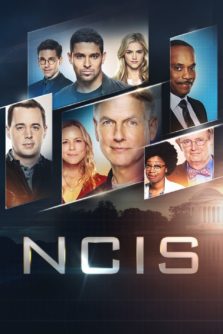
NCIS: The Arizona
A moving, patriotic story of sacrifice, memory, and brotherhood.
Should You Watch It?
This is one of the most moving episodes in NCIS’s 17-year history. Its story honors the sacrifices of American servicemen during World War II, while its strong moral, patriotic, Christian, and redemptive values lift up family, parenthood, grandfatherhood, and sacrifice.
The episode does ask something of younger viewers. It contains seven obscenities and a harrowing description of what happened to the men aboard the USS Arizona during the attack on Pearl Harbor. The material is intense in description but brief in presentation.
Watch it with older children if you are prepared to discuss its historical background, its moral themes, and the sacrifices previous generations made for American liberty. WORTH THE TRIP for families with the discernment to handle those concerns.
The Story
NO SPOILERS — WE KEEP THE SURPRISESA dying 95-year-old World War II veteran claims he was one of the few survivors when the USS Arizona exploded and capsized during the Japanese attack on Pearl Harbor.
He wants to be buried with his comrades at the Arizona Memorial. But after he steals a Purple Heart medal, Special Agent Gibbs and his team must determine whether the elderly sailor’s story is true—and why he refuses to discuss the day of the attack.
Is It Any Good?
Four stars means this episode is exceptionally effective television. The script is well written, the direction is strong, and Christopher Lloyd gives a wonderful performance as the elderly Navy veteran. His talent and the script’s depth energize the main cast.
The dramatic energy belongs especially to Lloyd and Mark Harmon, who plays Gibbs. The episode’s emotional power comes from the way those performances bring its themes of memory, service, sacrifice, and loyalty to life.
The Worldview
The episode presents a strong moral and patriotic worldview with strong Christian, redemptive content and values. It honors military sacrifice, family, parenthood, grandfatherhood, truth, justice, and the loyalty of people willing to die for one another. A cross appears on a military plaque at the Arizona Memorial, reinforcing the episode’s Christian imagery.
The story also treats sacrifice as meaningful rather than merely tragic. Gibbs reflects that war can make people understand what matters: that the person beside you may be willing to die for you, and you for him. The episode’s emphasis on family and service aligns with biblical concerns, while its patriotic focus centers on American servicemen and the sacrifices made for American liberty.
The episode’s central longing is for people to be remembered rightly and honored among those with whom they served. Scripture gives sacrificial love its clearest measure: “Greater love has no one than this, that someone lay down his life for his friends” (John 15:13).
The Content Guide
The specifics — spoilers included by nature — so you can judge for your own family.
Dominant Worldview and Other Worldview Content/Elements
Very strong moral, patriotic worldview with strong Christian, redemptive content and values in a story about a World War II and Pearl Harbor survivor includes family and parenthood and being a grandfather are extolled, heroes seek truth and justice, sacrifice is extolled, a cross is shown on a military urn holding the ashes of a veteran, images of a Purple Heart medal, and a middle aged naval officer and war veteran talking about war says, “Even with the bullets and the blood and the chaos, you knew what mattered. You knew that the guy next to you was willing to die for you and you for him. And, you look around and think it shouldn’t take a war to make the world that simple,” plus a man makes a joke about feng shui, a pagan superstition
Foul Language
Seven obscenities (“h,” “d” and a** words) and no profanities
Violence
Brief newsreel footage of the Japanese attack on Pearl Harbor in 1941, a couple photos of the huge plume of smoke of the USS Arizona as it was sinking during the attack on Pearl Harbor, agents enter motel room with their guns drawn, man flicks a bottle cap off a soda bottle, and it accidentally hits a man sitting across from him, and man describes in detail the biggest bomb explosion that hit the Arizona, and the machine gun strafing that took place afterwards while burning men, some with their clothes burned off them, ran across the parts of the deck that survived the blast, jumped into the water or were swimming in the water when another blast him into the water and knocked him unconscious
Sex
No sex, but an elderly veteran says he’s known love, but it never lasts
Nudity
No nudity
Alcohol Use
No alcohol use depicted, but elderly man says his brother was driving drunk when he wrecked his car and killed himself, so he “had it coming to him”
Smoking and/or Drug Use and Abuse
No smoking or drugs;
Miscellaneous Immorality
Stealing, breaking and entering, and veteran shames two young naval officers about not knowing details about the attack on Pearl Harbor in 1941.
Talk About It
Questions for the drive home, the dinner table, or the youth group.
The episode honors people who sacrificed themselves for others. What does Jesus say is the greatest expression of love, and where might sacrificial love appear in your own life?
John 15:13 · Philippians 2:3–4Why does remembering those who served matter? How can your family honor people who have made sacrifices for your freedom?
Joshua 4:6–7 · Hebrews 13:7Gibbs says that war can make people understand what matters. What helps you recognize what matters without waiting for a crisis?
Matthew 6:19–21 · Philippians 4:8The veteran wants his story—and his comrades—to be remembered truthfully. Why does truth matter when we tell stories about the past?
Proverbs 12:22 · John 8:32The Final Word
This emotionally powerful episode honors family, service, sacrifice, and the men who died aboard the USS Arizona. Its language and harrowing wartime description call for parental discernment, but older children and adults can find a moving story here. WORTH THE TRIP.









