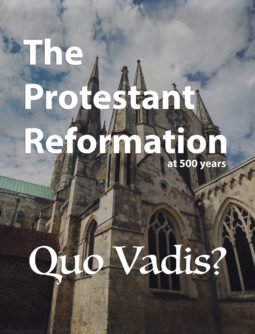
PROTESTANT REFORMATION @500 YEARS QUO VADIS?: – Episode 1 – The Very German Protest
A thorough, deeply Christian look into Protestant history.
Should You Watch It?
Episode One offers a thorough and informative account of the Protestant Reformation’s beginnings in Germany. Historians explain the practices surrounding relics and indulgences, Martin Luther’s objections, and the way his biblical views began changing the church of his time.
The episode is rather dry, so viewers seeking energetic entertainment may find it slow. But it presents a very strong Christian, biblical worldview and includes very little objectionable content. It also rightly highlights Luther’s later Anti-Semitism and other animosities rather than ignoring them.
If your family wants a careful introduction to Protestant history, this episode is worth watching.
The Story
NO SPOILERS — WE KEEP THE SURPRISESHistorians examine the beginnings of the Protestant Reformation in Germany. The episode first considers the Roman Catholic Church’s practices at that time, including relics and indulgences. It then turns to Martin Luther, the German monk who challenged those ideas by posting his 99 Theses, setting in motion changes that would reshape the church.
Is It Any Good?
Four stars means this episode succeeds as a historical documentary, even though its presentation is rather dry. It is highly informative and extremely thorough, giving substantial attention to the church practices, theological disputes, and historical events surrounding the Reformation.
The episode also handles its subject with moral seriousness. It praises the changes Luther helped bring while acknowledging his much later Anti-Semitism and other animosities. Viewers who value depth and information will find plenty here; viewers wanting a brisker pace may not.
The Worldview
The episode presents a very strong Christian, biblical worldview. Historians hold Jesus in high esteem, quote Scripture, extol the value of the church, and value the Lord’s Supper. The account also presents Luther’s rejection of buying indulgences to avoid Purgatory and explains his disagreement with Catholic teaching about transubstantiation.
The episode does not treat Luther as flawless. Alongside his influence as a reformer, it rightly highlights his later Anti-Semitism and other animosities. It also discusses corruption within the church while explaining the reasoning behind that corruption.
At its center, the episode values Scripture as a guide for understanding the church and Christian belief. “All Scripture is breathed out by God and profitable for teaching” (2 Timothy 3:16).
The Content Guide
The specifics — spoilers included by nature — so you can judge for your own family.
Dominant Worldview and Other Worldview Content/Elements
Very strong Christin, biblical as historians unpack the history of the protestant church, scripture quoted, Jesus held in high esteem, the value of the church ex-tolled, and the Lord’s Supper is valued
Foul Language
No foul language
Violence
Depictions of Jesus on the Cross with blood coming out of him in paintings
Sex
Mention of humans being sexual creatures so that marriage is acceptable, and celibacy isn’t always necessary
Nudity
Naturalistic nudity in medieval paintings and other art
Alcohol Use
Alcoholic grails depicted in medieval paintings and other art
Smoking and/or Drug Use and Abuse
No smoking or drugs
Miscellaneous Immorality
Church corruption, but the episode explains the reasoning behind the corruption, and Anti-Semitism.
Talk About It
Questions for the drive home, the dinner table, or the youth group.
The episode presents Scripture as important to understanding Christian belief. How should Scripture shape the way we evaluate church teaching?
2 Timothy 3:16–17 · Acts 17:11Luther rejected the idea of buying indulgences to avoid Purgatory. What does the Bible say about how salvation is received?
Ephesians 2:8–9 · Romans 3:23–24The episode values the church and the Lord’s Supper. What purposes does Christian fellowship serve, and how should believers approach the Lord’s Supper?
Hebrews 10:24–25 · 1 Corinthians 11:23–29The episode acknowledges Luther’s later Anti-Semitism and other animosities. How should Christians respond when a person’s useful work is mixed with serious sin?
Romans 12:9 · 1 Thessalonians 5:21–22The Final Word
This is a careful, deeply Christian introduction to the Protestant Reformation. It is dry, but its thorough history, biblical worldview, and honest treatment of Luther make it valuable for families and students. WORTH THE TRIP.