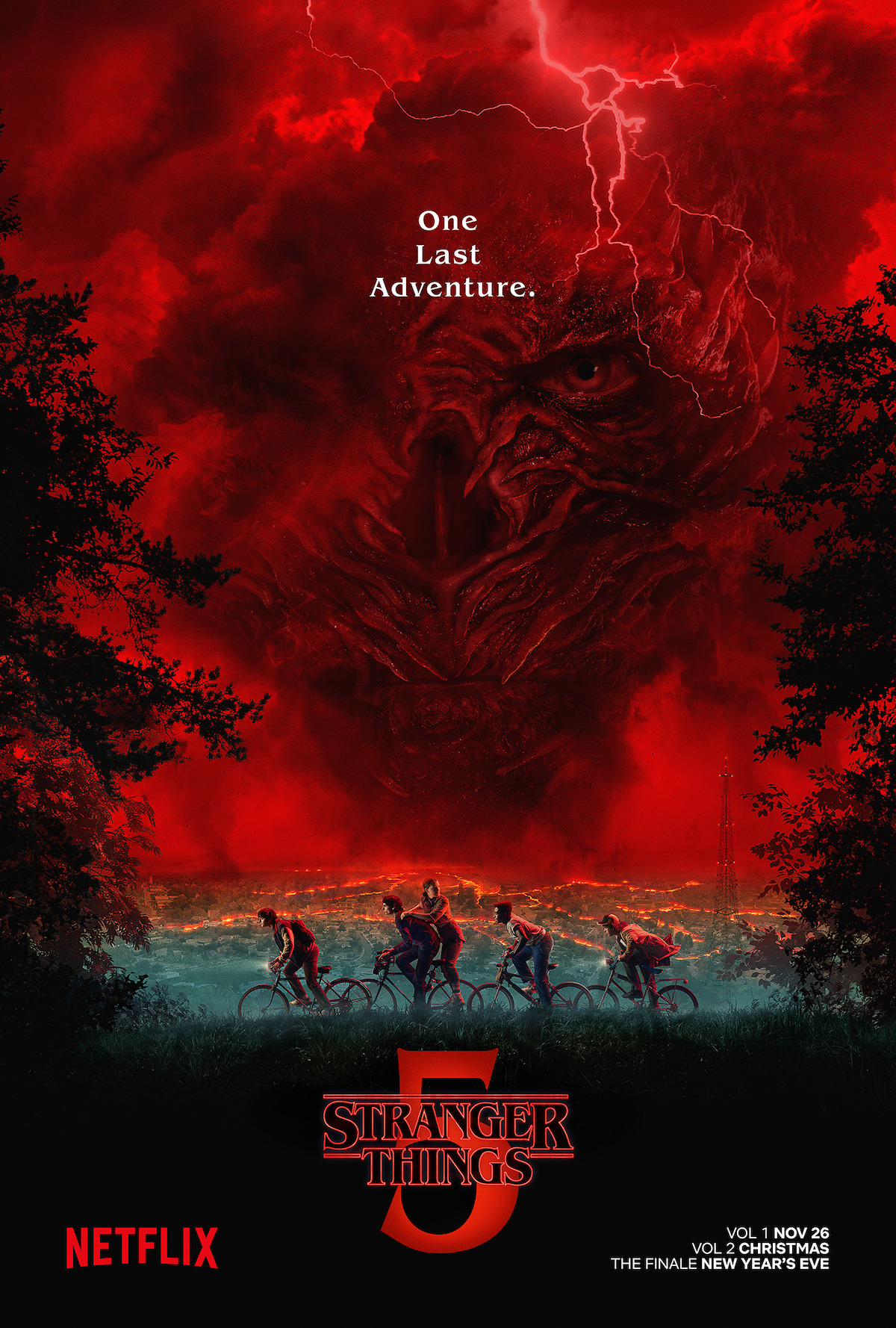
STRANGER THINGS: Season 3: Chapter 2: The Mall Rats
The strange definitely get stranger.
Should You Watch It?
This episode effectively carries the story’s intrigue. Several mysteries deepen at once: Billy runs from a creature, Dustin works to translate a Russian message, Joyce investigates malfunctioning magnets, and Nancy and Jonathan look into strange rat activity.
The episode also presents a light moral worldview, including positive capitalist elements connected to the town’s new shopping mall. But the content is more mature than the playful mall setting might suggest. There are 21 obscenities, strong violence, drinking, smoking, and other questionable choices.
So, if you’re a teenager or adult who can exercise discernment about those elements, this episode is worth watching. For younger children, choose something cleaner.
The Story
NO SPOILERS — WE KEEP THE SURPRISESBilly, a captured lifeguard, escapes from a creature at an abandoned steel plant. Meanwhile, tensions rise among Mike, Eleven, and their friends.
At the mall, Dustin asks Steve and a co-worker to help translate a Russian message he intercepted. Joyce investigates why her magnets have stopped working, while Nancy and Jonathan follow a report involving peculiar rats.
Is It Any Good?
Four stars means this episode is highly effective at sustaining the story’s intrigue. Its overlapping mysteries—Billy’s escape, the Russian message, Joyce’s magnets, and the strange rat activity—give the episode strong momentum.
The source review offers limited craft detail beyond that assessment. Still, the episode’s ability to keep several questions moving at once is its central strength.
The Worldview
The episode presents a light moral worldview. Its clearest positive element is a capitalist setting in which characters shop at a new mall. At the same time, some characters protest that the mall has hurt small businesses, giving the episode a limited awareness of competing economic concerns.
The episode also includes lying, sarcasm, disrespect toward a mother, and the idea that people should “ask for forgiveness not permission.” Those choices create a world where cleverness and independence can be entertaining, even when they disregard truth or proper authority. A character also uses special mental abilities to explode someone’s drink without that person knowing, treating power as something to use for personal purposes.
The source notes a possible homosexual depiction in which a photographer exemplifies many stereotypical gay mannerisms, though this is not confirmed.
The episode’s moral questions touch on truthfulness, forgiveness, authority, and how people use power. Scripture says, “So whoever knows the right thing to do and fails to do it, for him it is sin” (James 4:17).
The Content Guide
The specifics — spoilers included by nature — so you can judge for your own family.
Content Summary
<strong>
Dominant Worldview and Other Worldview Content/Elements
</strong> Light moral, capitalist worldview when characters go shopping in a town’s new shopping mall, some character protest that the mall has hurt small businesses, possible homosexual depiction as a photographer exemplifies many stereotypical gay mannerisms, but this isn’t confirmed; <strong>
Foul Language
</strong> 21 obscenities, one light profanity, and one character gets cut off as he’s about to tell someone to “shove it up” blank; <strong>
Violence
</strong> Strong violence includes character has a vision to hurt a woman, infected rat explodes spilling its guts, character depicted with some lacerations on his forehead and elbow that show a little bit of blood; <strong>
Sex
</strong> Couple at the mall kisses, teenage boys stumble upon a lingerie store but decide not to go in; <strong>
Nudity
</strong> Characters in swimsuits (including some bikinis) during pool scenes; <strong>
Alcohol Use
</strong> Character orders scotch and wine for dinner and gets drunk; <strong>
Smoking and/or Drug Use and Abuse
</strong> Characters smoke a cigarette and a cigar; and, <strong>
Miscellaneous Immorality
</strong> Teenager yells at his mother, lying, sarcasm, one character says, “we ask for forgiveness not permission,” character uses her special mind abilities to explode someone’s drink without them knowing.
Talk About It
Four questions for the couch, the commute, or the couple bingeing it together.
The episode includes lying, sarcasm, and disrespect toward a parent. Why does Scripture connect truthfulness with healthy relationships?
Ephesians 4:25 · Colossians 3:9One character says, “we ask for forgiveness not permission.” When is asking forgiveness necessary, and why should we seek wisdom before acting?
James 1:5 · Proverbs 12:22The episode includes a character using special abilities to affect someone without that person knowing. What responsibilities come with having power over others?
Luke 6:31 · Philippians 2:3–4Some characters protest that the mall has hurt small businesses. How should Christians think about what they buy and how their choices affect neighbors?
Philippians 2:4 · 1 Corinthians 10:31The Final Word
This episode keeps its mysteries moving and offers enough intrigue to satisfy teenage and adult viewers. Its foul language, violence, drinking, smoking, and mature elements call for discernment. For the intended audience, the answer is WORTH WATCHING — TEENS AND ADULTS.