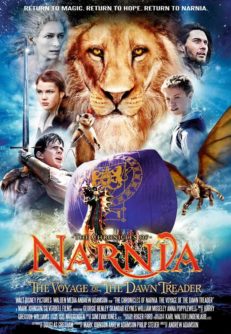
THE CHRONICLES OF NARNIA: THE VOYAGE OF THE DAWN TREADER
An entertaining, redemptive voyage, rerouted from Lewis’s rich original.
Should You Watch It?
This is an exciting, well-crafted fantasy adventure with excellent acting, brisk dialogue, good special effects, and a heart-rending ending. It gives the story a focused goal and classic arc, while preserving strong redemptive themes about belief, temptation, repentance, selfishness, kindness, loyalty, and love.
The movie changes C.S. Lewis’s book significantly. Some of the book’s richness, humor, symbolism, and layered Christian meaning are lost, even though the film still clearly presents Aslan as a figure who points viewers toward Jesus Christ. Magic is often rebuked, but not all of it is, and some scenes are scary and intense.
You should see it, especially if you can appreciate a rousing fantasy adventure while discussing its changes and spiritual ideas with younger viewers.
The Story
NO SPOILERS — WE KEEP THE SURPRISESWhile World War II rages, Lucy and Edmund Pevensie are staying with their irritating, selfish cousin Eustace. Then a picture of a Narnian ship comes to life, sweeping the three children into Narnia and aboard the Dawn Treader.
King Caspian is leading a quest to find seven missing lords and stop an ominous green mist threatening Narnia. To succeed, the travelers must face dangerous islands, strange creatures, difficult temptations, and the challenge of becoming different people.
Is It Any Good?
Four stars means this is top-tier entertainment and production, according to the source review. The characters are well developed, the dialogue is brisk, the acting is excellent, and the special effects and 3D are good. Georgie Henley holds the movie together as Lucy, Skandar Keynes comes into his own as Edmund, and Will Poulter makes Eustace’s journey come alive.
The focused goal and classic story arc improve on the book’s episodic structure. However, some beasts look more like men in beast costumes than they did in the first two movies, and the urgent mission loses some of C.S. Lewis’s humor and delight. Even so, the ending is heart-rending.
The Worldview
The film stresses belief and trust, with Aslan as their object. Aslan warns Lucy about misusing magic, appears at critical times to help the characters through temptation, and frees Eustace from his dragon nature. The movie also presents a strong salvation theme: Aslan says he will be with them in this world, where he has another name, and tells them to find and know him.
The film emphasizes kindness, compassion, loyalty, real love, and the rejection of selfishness. Eustace must repent, and the characters’ quest becomes a journey of personal growth as they reject their sin nature and overcome temptation. The green mist preys on people’s sin nature and selfishness. Still, some magic is not rebuked, including Lucy’s use of an incantation to create snow.
The adaptation changes or diminishes significant Christian symbolism from Lewis’s book. The seven swords replace the book’s narrative emphasis on Caspian’s search for the seven lords. The White Witch returns as the face of evil, and the green mist comes from other books. Much of Lewis’s layered spiritual, metaphorical, and sacramental meaning is lost, although the filmmakers preserve some allegorical and Christian meaning. The movie also has Lucy fighting briefly, which the source review says conflicts with Lewis’s beliefs about women and chivalry.
The film’s central message points toward Christ through Aslan’s likeness to Jesus Christ: “I am the way, and the truth, and the life” (John 14:6).
The Content Guide
The specifics — spoilers included by nature — so you can judge for your own family.
Content Summary
Strong Christian worldview diminished by magic though the magic is often rebuked, with very strong moral elements, including kindness, compassion, loyalty, real love stressed, and selfishness rebuked, but girl fights in battle against C.S. Lewis’ beliefs; no foul language; strong action violence includes sword battles, attacks by monsters including dragon and sea serpent, people hurt falling, man turned to gold by falling into a lake, boy transformed into dragon and painfully changed back into a human, slaves are roughed up, slaves sent as a sacrifice to the green mist; no sex; fawns and creatures have upper male nudity, but nothing explicit; no alcohol; no smoking; and, green mist preys on people’s sin nature and selfishness.
Talk About It
Questions for the drive home, the dinner table, or the youth group.
Eustace’s journey centers on rejecting selfishness and becoming a different person. What does repentance look like when someone has harmed others through self-centered choices?
2 Corinthians 7:10 · Ephesians 4:22–24Aslan tells Lucy to resist using magic for selfish reasons. How can wanting something good become wrong when we pursue it in the wrong way?
James 1:14–16 · Philippians 2:3–4The film presents Aslan as a figure connected with Jesus Christ. What qualities of Aslan point toward Christ, and where does the comparison remain limited?
John 1:14 · John 14:6The green mist preys on sin and selfishness. How does Scripture describe the way temptation grows, and how can believers resist it?
James 1:14–15 · 1 Corinthians 10:13The Final Word
This is a rousing, redemptive fantasy adventure with excellent performances, strong moral themes, and a heart-rending conclusion. It loses some of C.S. Lewis’s richness through significant changes, but its Christian message remains clear enough to reward thoughtful families. WORTH THE TRIP.