THE GOOD COP: Season One: Who Framed the Good Cop?
Son’s on patrol, Dad’s on parole — but this pilot needs time.
Should You Watch It?
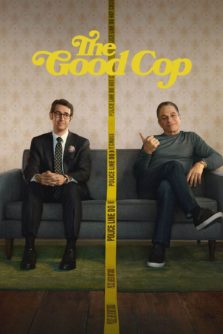
The first episode of The Good Cop has a promising setup: a compulsively honest NYPD detective must solve a murder that has been pinned on his recently released father, a disgraced former officer. The contrast between TJ’s strict ethics and Tony’s willingness to bend rules creates the show’s central comedy.
But the pilot feels awkward. It tries to balance drama and comedy without fully succeeding at either, and Josh Groban needs time to warm up in his role. Crude humor and mild violence also make this a poor choice for younger children.
For now, wait and see whether the series finds its footing before investing your family’s time.
The Story
NO SPOILERS — WE KEEP THE SURPRISESNYPD Detective TJ Caruso is a pathological rule follower whose complete honesty creates comic complications. He lives with his father, Tony, a disgraced former officer who has just left prison after being convicted of corruption.
When Tony is framed for murder, TJ must investigate the case and try to clear his father’s name.
Is It Any Good?
Two stars means this opening episode shows some promise but does not yet work consistently. The contrast between TJ’s compulsive honesty and Tony’s flexible ethics gives the comedy a clear foundation.
The episode, however, feels awkward as it searches for the right balance between drama and comedy. Josh Groban especially needs to warm up in the role.
The Worldview
The episode presents a strong moral worldview built around the conflict between two ethical codes. TJ follows every rule and insists on complete honesty, while Tony believes rules can be bent. The higher moral code is ultimately shown as better, though perhaps too limiting.
The series also presents American police officers as heroes held to a high moral standard. TJ’s possible Christianity is suggested by the image of a Bible in his bedside drawer. The episode’s moral contrast is useful, but its crude humor, profanity, and jokes about immorality complicate that message.
Scripture calls believers to truthful living: “Therefore, having put away falsehood, let each one of you speak the truth with his neighbor” (Ephesians 4:25). The episode’s central question is whether integrity can remain firm when doing what is right becomes difficult.
The Content Guide
The specifics — spoilers included by nature — so you can judge for your own family.
Content Summary
<strong>
Dominant Worldview and Other Worldview Content/Elements
</strong> Strong moral worldview where balance between a high moral and ethical code (including complete honesty and commitment to every rule) and a low moral code (where every rule can be bent) is presented and ultimately the higher moral code is painted as better, though perhaps too limiting, with strong patriotic content presenting American police officers as heroes who are held to a high moral standard, and one image of a Bible kept in a bedside drawer; <strong>
Foul Language
</strong> One obscenity, several profanities (including Jesus’ name), several mild examples of toilet humor; <strong>
Violence
</strong> Some mild violence, including a gunfight and several images of dead bodies; <strong>
Sex
</strong> No explicit sexual content, but several crude sexual jokes including one joke about waiting until an underage girl is 18 to sleep with her; <strong>
Nudity
</strong> Upper male nudity; <strong>
Alcohol Use
</strong> One mention of alcohol use, one mention of previously owning a liquor license; <strong>
Smoking and/or Drug Use and Abuse
</strong> One man smokes a cigar, but no drug content; and, <strong>
Miscellaneous Immorality
</strong> Greed, gambling, joking about adultery, etc.
Talk About It
Four questions for the couch, the commute, or the couple bingeing it together.
TJ treats honesty and rules as nonnegotiable. When might obedience be costly, and how can we practice truthfulness?
Ephesians 4:25 · Proverbs 12:22The episode contrasts a high moral code with one that bends every rule. What helps a person keep integrity when no one is watching?
Psalm 15:1–2 · Luke 16:10The story presents police officers as heroes held to a high standard. How should Christians respect authority while remembering that every human authority is accountable to God?
Romans 13:1–4 · Acts 5:29The episode includes a Bible kept in a bedside drawer. What does it look like for Scripture to shape daily choices rather than simply occupy a place in our homes?
James 1:22 · Psalm 119:105The Final Word
This pilot has a worthwhile moral contrast and a workable premise, but its comedy-drama balance is still unsettled. Because of the crude humor and mild violence, younger children should wait. For now, WAIT AND SEE.