Skip to content
Give
← News
Noticias Y Artículos octubre 25, 2024

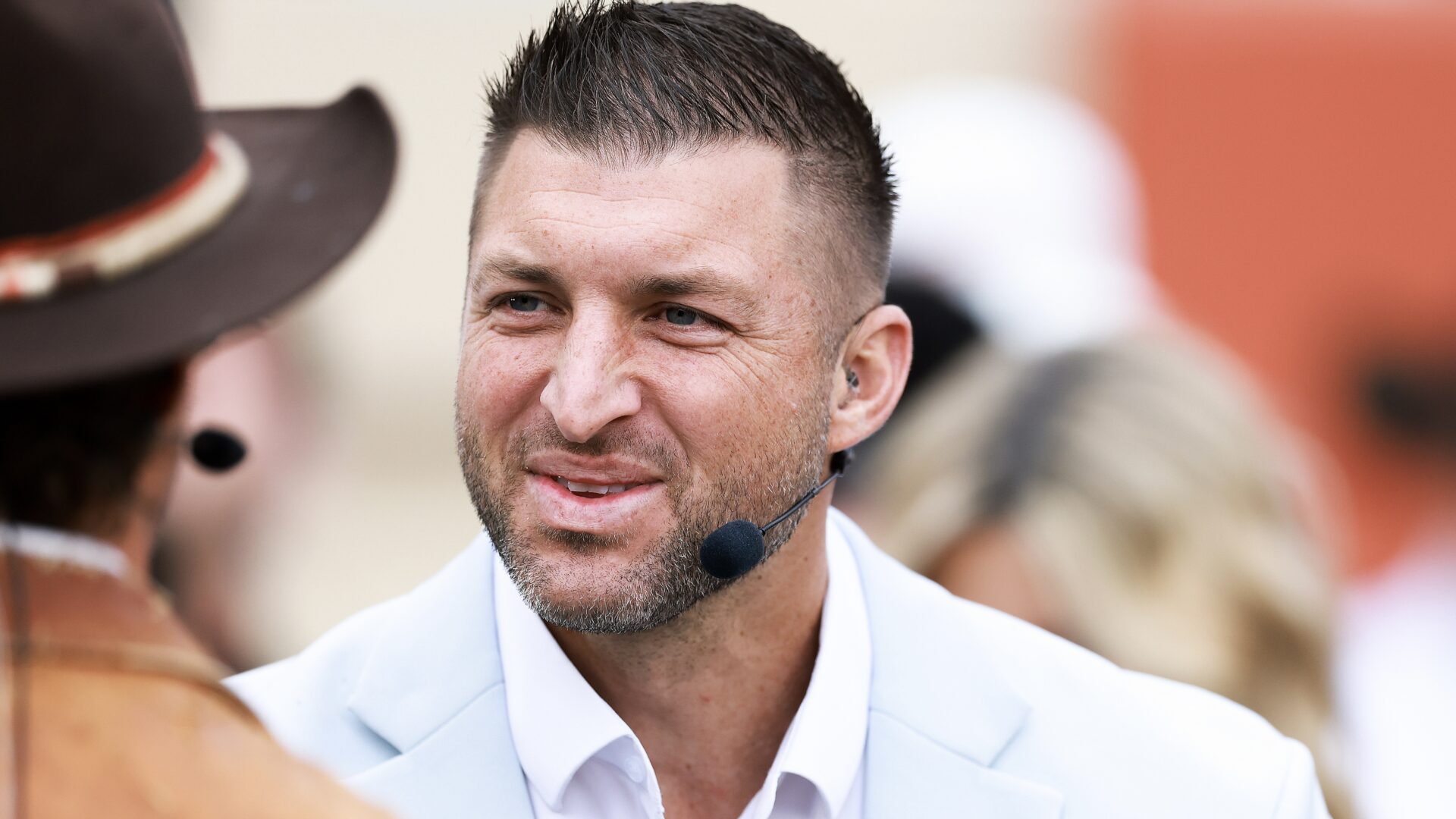
Tim Tebow Derriba a Depredadores: Su Misión de ‘Rescatar a Tantos Niños…como Sea Posible’

Foto del Instagram de Tim Tebow

Tim Tebow combate a los depredadores: Su misión de ‘Rescatar a tantos niños… como sea posible’

Colaborador de Movieguide®

Tim Tebow y su fundación están haciendo grandes avances para trabajar con las fuerzas del orden y perseguir a los depredadores que abusan de niños.

“Estamos muy agradecidos de trabajar junto a nuestros héroes de las fuerzas del orden en los EE. UU. y en todo el mundo para combatir la explotación sexual infantil”, escribió Tebow en Instagram junto a un video de la policía capturando a depredadores sexuales. “En este momento estamos trabajando para: 1. Expandir las operaciones de rescate global junto con las fuerzas del orden para identificar, localizar y rescatar a tantos niños que han sido abusados y explotados sexualmente como sea posible.”

Continuó, “2. Equipar a las fuerzas del orden con capacitación y tecnología que pueda conducir a los niños más vulnerables y los delincuentes más peligrosos, aquellos con la mayor probabilidad de cometer abuso sexual directo”, y “3. Construir un equipo de rescate más grande de analistas, investigadores y fuerzas del orden para rescatar a los niños más rápido y prevenir nuevas víctimas a través de la legislación.”

“¿Te unirás a nosotros para combatir este mal?” Tebow preguntó a sus seguidores, proporcionando un enlace sobre cómo pueden ayudar.

“32 investigadores de todo el mundo se reunieron en Europol para una operación sprint de una semana para investigar a productores y distribuidores de material de explotación sexual infantil a través de plataformas de transmisión en vivo”, explicó Tim Tebow. “Se cree que algunos de los niños abusados tienen tan solo tres o cuatro años de edad.”

LEER MÁS: TIM TEBOW LLEVA SU LUCHA CONTRA LA EXPLOTACIÓN INFANTIL AL EXTRANJERO

La fundación de Tebow actualmente <a href="https://timtebowf
Related Stories

More News →
Tim Tebow Noticias Y Artículos Cómo el nuevo libro lleno de fe de Tim Tebow te animará hoy marzo 10, 2026 Tim Tebow Noticias Y Artículos ¿Cómo Tim Tebow espera inspirar cambio a través de su nuevo libro? noviembre 26, 2025 Tim Tebow Noticias Y Artículos Tim Tebow Comparte cómo su juego ‘John 3:16’ se convirtió en un poderoso testimonio del plan de Dios noviembre 12, 2025 Tim Tebow Noticias Y Artículos SILENT THOUGHTS: The user wants me to translate the English text “What Fatherhood Taught Tim Tebow About Faith” into Spanish, while preserving HTML (though there’s none in this simple text), formatting (which is plain text), and embedded media (none here). The key instruction is “Don’t translate anything in capital letters.” The only capitalized words are “Fatherhood”, “Taught”, “Tim”, “Tebow”, “About”, “Faith”, and “What”. Oh wait, “Tim Tebow” is a proper name, and should be capitalized. “What Fatherhood Taught Tim Tebow About Faith” – all words are capitalized. This means I should not translate anything. This feels like a trick question or a misinterpretation on my part. Let’s re-read carefully: “Don’t translate anything in capital letters.” If the input is “What Fatherhood Taught Tim Tebow About Faith”, and *every word* starts with a capital letter, then literally, I should not translate *any* word. This would result in: “What Fatherhood Taught Tim Tebow About Faith” Is this the intended behavior? Usually, when instructions say “don’t translate X”, it means if a word *is* X (e.g., all caps like “USA”, or a specific tag like “), then don’t touch it. However, the instruction is “Don’t translate anything in *capital letters*.” It doesn’t say “don’t translate words that are ALL CAPS”. It says “in capital letters”. If a letter is capital, it shouldn’t be translated. This is a very ambiguous instruction. Let’s consider common interpretations: 1. **Strict literal interpretation:** Any character that is uppercase should not be translated. This is nonsensical in the context of translation, as it would mean I can’t change “W” to “¿Q” or “F” to “P”. This would imply no translation can happen if the original starts with a capital letter, which is common for titles. 2. **More common interpretation for “Don’t translate X” in localization:** “Don’t translate strings that are entirely in ALL CAPS” or “Don’t translate proper nouns/brand names if they are capitalized”. 3. **If a word *begins* with a capital letter, don’t translate that word.** This would mean the entire phrase isn’t translated. Given the phrasing “Don’t translate anything in capital letters,” it could very well mean “if a word is in capital letters (e.g., ‘USA’, ‘NATO’) then don’t translate it.” But here, the words are “What”, “Fatherhood”, “Taught”, “Tim”, “Tebow”, “About”, “Faith”. None of these are *fully* in capital letters, except potentially if one interprets “in capital letters” as “starts with a capital letter”. Let’s test this interpretation: “Don’t translate words that start with a capital letter.” In “What Fatherhood Taught Tim Tebow About Faith”, every word starts with a capital letter. So, the output would be “What Fatherhood Taught Tim Tebow About Faith”. This seems too simple and not helpful for a translation task. Could “in capital letters” refer to *only* words that are fully capitalized, like “USA” or “NATO”? If so, then *no words* in the given phrase “What Fatherhood Taught Tim Tebow About Faith” fit this criterion. This would mean I *should* translate everything. Let’s go with the most reasonable interpretation for a translation task that involves a title. The instruction “Don’t translate anything in capital letters” likely refers to strings that are *entirely* in uppercase (like acronyms, or specific codes). Since “What Fatherhood Taught Tim Tebow About Faith” is a title, each word is capitalized, but no word is entirely uppercase. “Tim Tebow” is a proper name, which should generally not be translated anyway, though its capitalization is relevant. So, if no words are fully uppercase, I should translate the rest. “What Fatherhood Taught Tim Tebow About Faith” “What” -> “¿Qué” “Fatherhood” -> “la paternidad” (or “ser padre”) “Taught” -> “le enseñó” (to him) “Tim Tebow” -> Tim Tebow (proper name) “About” -> “sobre” “Faith” -> “la fe” Putting it together: “¿Qué le enseñó la paternidad a Tim Tebow sobre la fe?” “¿Qué le enseñó a Tim Tebow la paternidad sobre la fe?” (more natural flow) Let’s re-evaluate “Don’t translate anything in capital letters.” This phrasing is quite awkward. If it meant “don’t translate words that are all caps”, then no words in the input qualify. If it meant “don’t translate words that start with a capital letter”, then every word qualifies, and I should return the original. Let’s assume the user meant “Don’t translate *words written in ALL CAPS*”. This is a common instruction to preserve acronyms, brands, etc. Since there are no ALL CAPS words in the input (“What Fatherhood Taught Tim Tebow About Faith”), I should translate the entire phrase. The phrase is a title, so in Spanish, only the first word and proper nouns are capitalized. Original: “What Fatherhood Taught Tim Tebow About Faith” Translation: “¿Qué le enseñó la paternidad a Tim Tebow sobre la fe?” This seems like the most practical and useful interpretation of the request, despite the slightly ambiguous wording of “anything in capital letters”. If the user really meant “don’t translate *any word that starts with a capital letter*”, they should have been clearer, as it would render most translation requests for titles untranslatable. Final check on interpretation: “Don’t translate anything in capital letters.” Could it mean “don’t translate the capital letters themselves”? E.g., if “A” appears, don’t change “A” to “A”. This is also nonsensical. The only sensible interpretation that aligns with common translation tasks is “don’t translate strings/words that are entirely in ALL CAPS”. Let’s apply this: Input: “What Fatherhood Taught Tim Tebow About Faith” Are there any words that are entirely in ALL CAPS? No. Therefore, translate everything. “What Fatherhood Taught Tim Tebow About Faith” -> “¿Qué le enseñó la paternidad a Tim Tebow sobre la fe?” This also respects the implicit rule of not translating proper nouns like “Tim Tebow”. And standard Spanish title capitalization: first word capitalized, rest lowercase unless proper noun. Let’s ensure the output format is correct: “Just return the new content.” No HTML in the input, so no HTML in the output. No embedded media. Plain text. noviembre 11, 2025 Noticias Y Artículos Nuevo papá Tim Tebow describe la paternidad como ‘Life-Changing’ noviembre 10, 2025 Noticias Y Artículos Cómo Tim y Demi-Leigh Tebow están atrayendo gente a Cristo noviembre 5, 2025