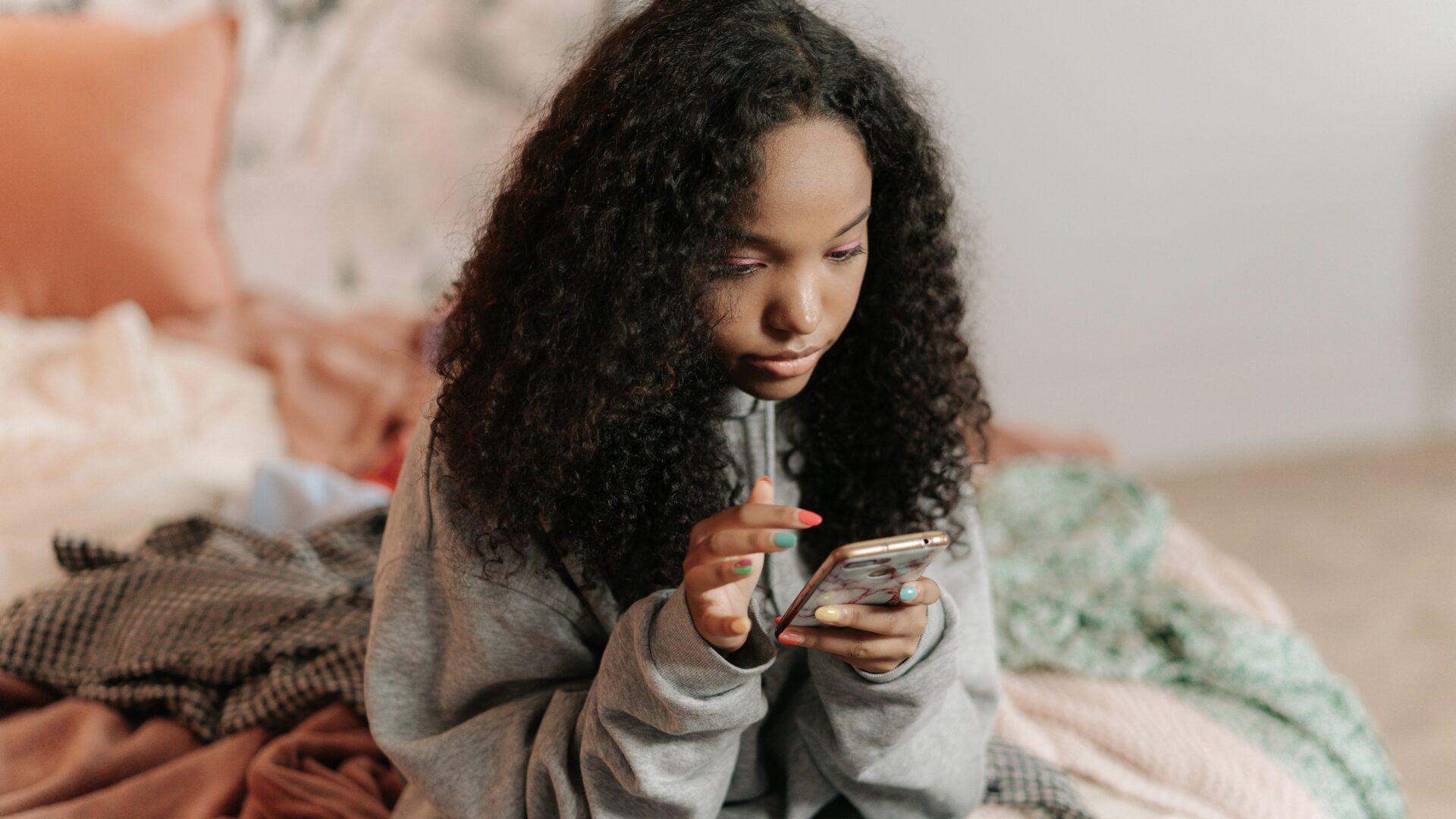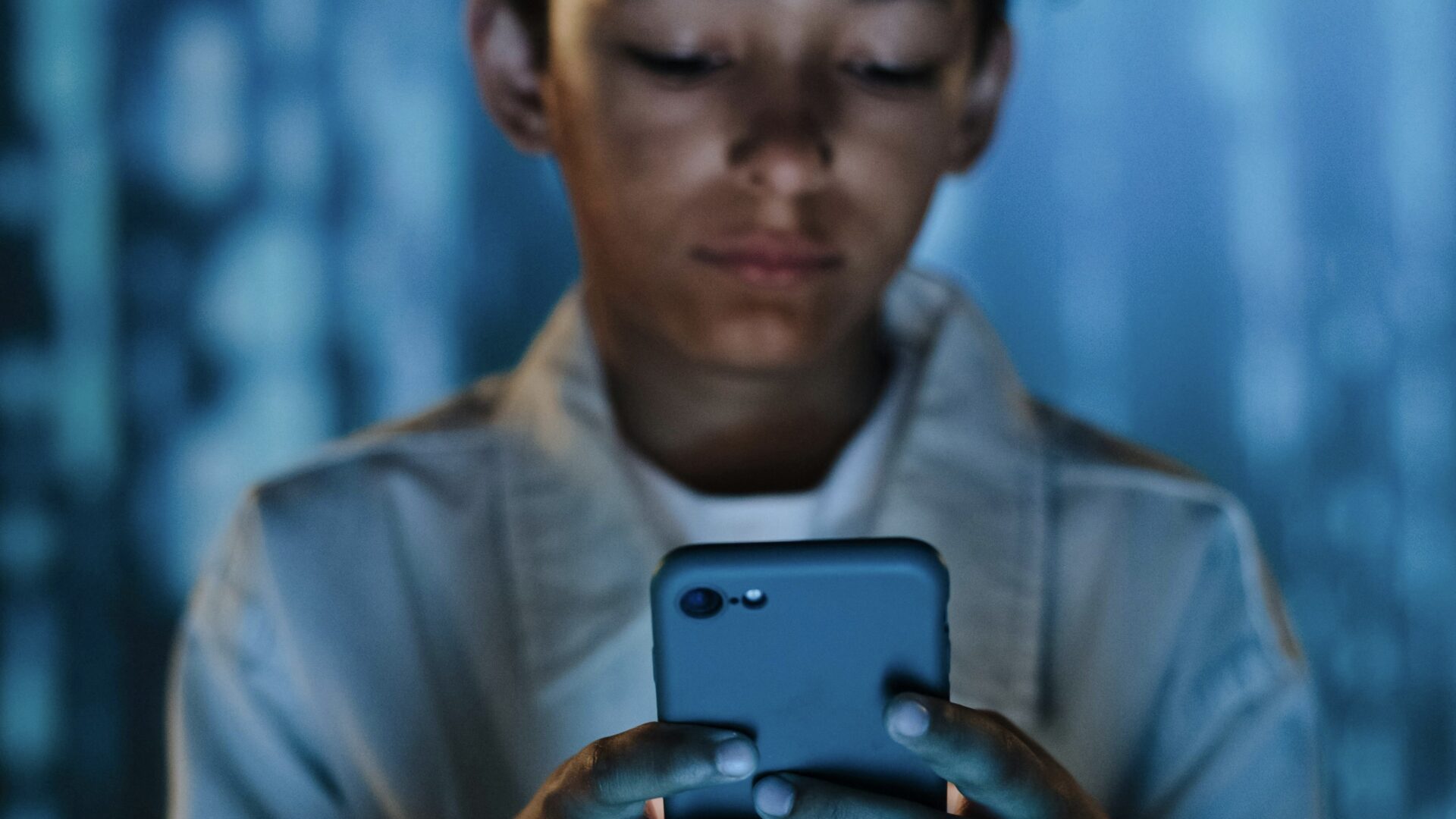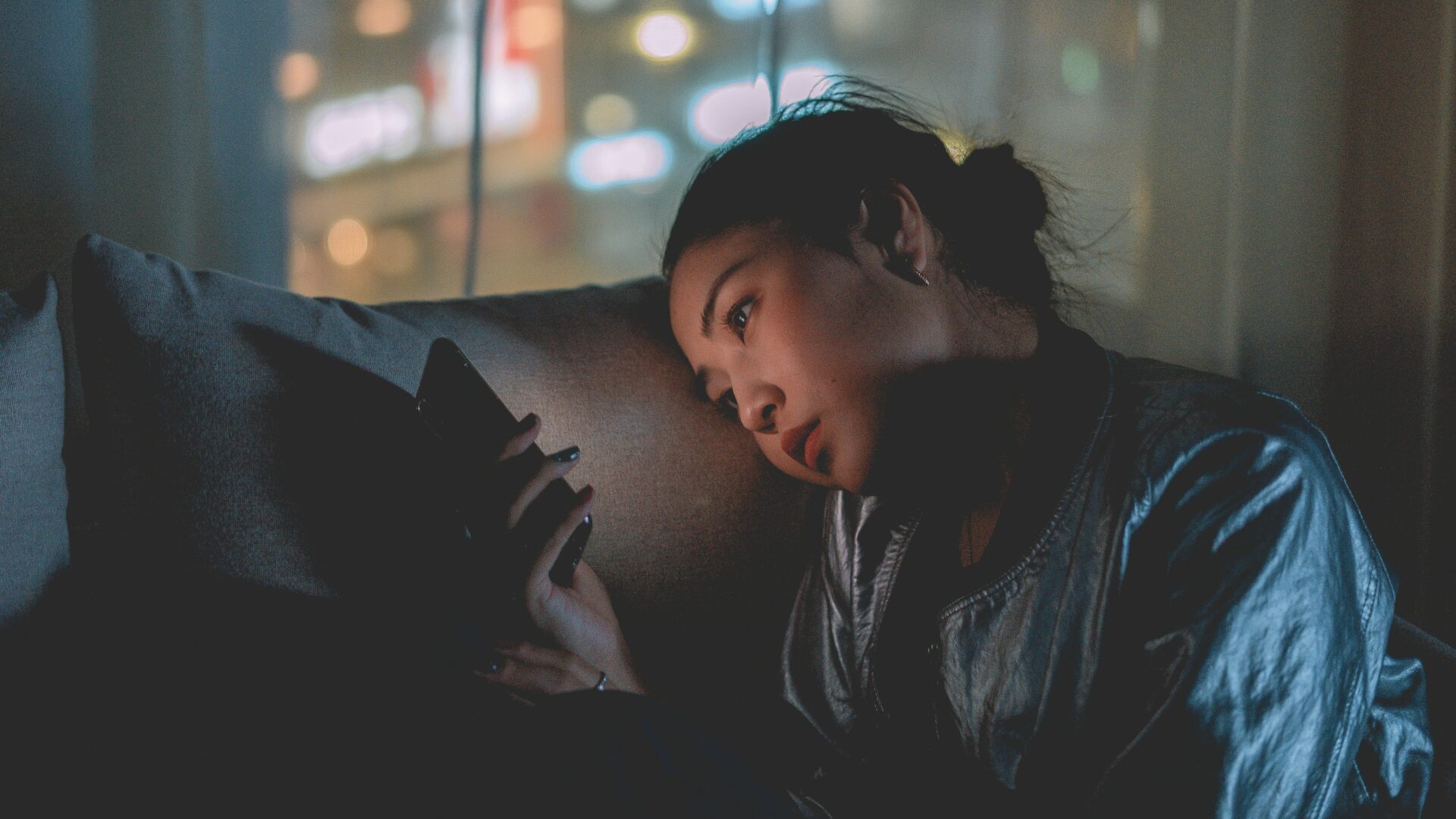
The United Kingdom wants its 16- and 17-year-olds off Instagram, TikTok and YouTube after midnight.
“Even as young people gain greater independence at 16, they should still be protected from the most addictive online features,” UK Technology Secretary Liz Kendall said, adding that the measures would help teens “get the sleep they need, focus on school and college and spend more quality time with family and friends.”
Under the proposal unveiled this week, major platforms would go dark by default for older teens between midnight and 6 a.m. UK time. The government also wants to switch off the features that keep teenagers scrolling long past bedtime, including autoplay, infinite scroll, and personalized news feeds.
There’s a catch, though. The curfew is voluntary, meaning any 16- or 17-year-old can simply flip a setting and keep scrolling straight through the night — a loophole that has already drawn criticism from child safety advocates.
“While we welcome these measures for older teens, this latest move is yet another piecemeal set of announcements not the comprehensive plan for children’s safety that’s required,” said Andy Burrows, chief executive of the Molly Rose Foundation, a charity founded after the death of 14-year-old Molly Russell.
Related: Most Americans Back Social Media Ban for Kids Under 16
“Unless they’re followed up with further, stronger measures, they will be a sticking plaster that fails to address the addictive design features which are driving high screentime and undermining children’s wellbeing,” added Chris Sherwood, chief executive of the National Society for the Prevention of Cruelty to Children.
The curfew builds on the UK’s full ban on social media for children under 16, which Movieguide® covered last month and which Prime Minister Keir Starmer has described as going “further than any country in the world” to protect children online. That legislation follows Australia’s under-16 ban, the first of its kind, and is expected to reach Parliament by year’s end, with both sets of protections slated to take effect in early 2027.
The government isn’t just guessing that a curfew works, either. A trial commissioned by the UK government tested three restrictions on 309 households with teens ages 13 to 17: a strict 15-minutes-per-app daily limit, a nightly curfew, and removing social apps entirely. Teens in the curfew group reported the strongest, most consistent gains in sleep quality and said it was the easiest rule for families to actually stick to, while the 15-minute cap saw the lowest compliance because it kept interrupting conversations with friends.
None of this will surprise parents who’ve watched a teenager’s mood shift after a late night of scrolling. Movieguide® has reported before that teens experience more peace when their screen time is limited — the very things Kendall says her curfew is meant to protect.
Whether a voluntary midnight cutoff actually changes behavior is a fair question, and one critics like Burrows and Sherwood are right to press. But the underlying instinct — that unrestricted access to an algorithm built to hold a teenager’s attention past 2 a.m. isn’t good for anyone’s soul or sleep schedule — is one plenty of Christian parents reached on their own long before Westminster did.
Read Next: 2-Time Super Bowl Champ Sounds Off Against Social Media: ‘Worse Than Drugs’
Questions or comments? Please write to us here.