For years, “funflation” meant pricier concert tickets and pricier seats at the ballgame. Now it’s followed families home.
“Funflation is back in 2026,” said Brian LeBlanc, senior economist at PNC Financial Services, in data shared exclusively with CNBC. Streaming subscriptions and video game consoles, once the budget-friendly stand-in for a night out, are climbing in price fast enough that consumers are pulling back.
PNC’s numbers show the average consumer spent less on home entertainment this past June than a year earlier, with Gen Z and Millennial shoppers each cutting transactions by roughly 4%. LeBlanc said the pressure that hit travel and concerts has now moved indoors. “We’re seeing that very clearly in things like travel, entertainment, concerts,” he said. “Now we’re also starting to see it more in home leisure.”
The price hikes read like a greatest-hits list of the entertainment business. Microsoft’s Xbox and Apple both raised device prices in late June, a month after Nintendo lifted the US price of its Switch 2 by 11%. Companies have pointed to costlier components tied to an AI-driven memory chip shortage.
Xbox CEO Asha Sharma addressed the squeeze head-on. “We’ve reached a point where it will be hard to imagine that mass audiences can afford thousands of dollars to spend on a console generation,” Sharma said at a Fortune event, adding that Microsoft plans to pivot toward less costly hardware. The company also laid off thousands of Xbox employees this week and spun off several of its gaming studios.
Related: Are Video Games Actually Good for Your Brain? Experts Say…
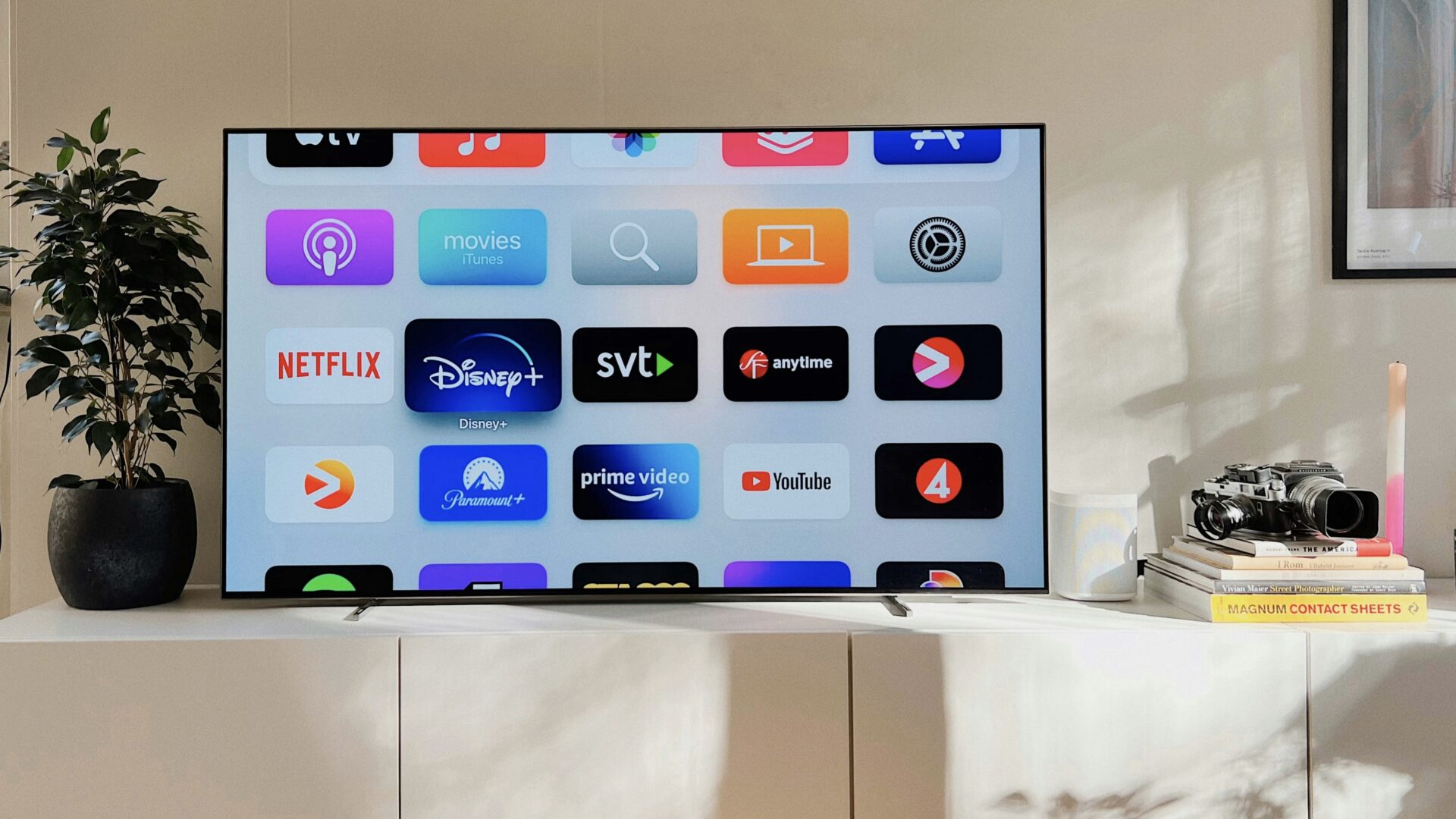
Streaming has its own name for the trend: “streamflation.” Netflix, Amazon and Spotify all raised prices earlier this year, following Disney+ and Warner Bros. Discovery’s HBO Max in late 2025. Apple TV+ has now raised its price three times in as many years.
One winner in the shakeup is Tubi, Fox Corp.’s free, ad-supported service, which has out-drawn some major streamers as viewers grow tired of stacking subscriptions.
Families are already adjusting. Fiona Williams, a 40-year-old project manager in Akron, Ohio, told CNBC she keeps only one streaming subscription active at a time, canceling before she adds another. Rather than pay for Peacock to watch LOVE ISLAND USA, she catches clips on social media instead and has shifted some of her free time to reading, one of the few leisure categories that has actually gotten cheaper.
Illinois graduate student Alyx Green has scaled back on video games too, opting for cheaper indie titles or simply watching others play on YouTube. “The price has been going up,” Green said. “It’s just hard to keep up.” Green said gaming had long been a reliable escape from a tough economy, one that’s now harder to afford.
The numbers back up what families are feeling. The Bureau of Labor Statistics reported the cost of renting or subscribing to video and video games has jumped 53% since 2019, with TV services up 27% and music subscriptions up 14%. Book prices, meanwhile, have fallen 4% over the same stretch.
For Movieguide® readers weighing a household media budget, the trend is worth a second look. Rising costs are already nudging families toward simpler, cheaper pleasures, a shared book, a board game, a free ad-supported watch, over an ever-expanding stack of subscriptions. That’s not necessarily a bad trade. A little financial pressure has a way of clarifying what’s actually worth paying for, and what was just noise filling the screen.
Read Next: Video Games Change How Boys Grow Up…Is That Good or Bad?
Questions or comments? Please write to us here.