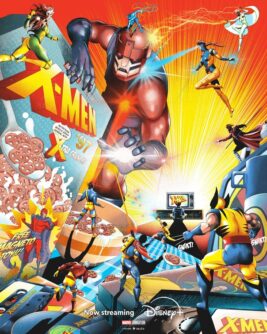
X-MEN ‘97 Episodes 2.1-2.3
Superb 90s animation that hands Christ's titles to a villain.
Should You Watch It?
Here is the decision, and it is a hard one, because the show is good. Four stars: the animation is superb, the fight scenes are dynamic, and the quieter moments about self-worth, love and sacrifice actually land.
The problem is not the craft. It is what these three episodes say about God. Villains are handed titles reserved exclusively for Christ — Apocalypse is called "our Lord and savior." Divinity gets equated with power, so that a character can talk about becoming "a god among insects." Prophecy and faith get discussed with God and Jesus left out of them. A Norse god turns up in the middle of it.
There is genuine good mixed in — the "least of us" accomplishing great things, a sick child fighting Apocalypse, young heroes stepping up, self-sacrifice, justice, freedom. It is not enough. We find these episodes excessive, and the caution here is for every viewer, not only the young ones.
So: however well made it is, this is not one to put on. Skip it.
The Story
NO SPOILERS — WE KEEP THE SURPRISESThe X-Men have gone missing in the '90s. Their allies are left to find them, and finding them means traveling to both the future and the past to stop Apocalypse.
The search starts with a division of labor: Forge and Bishop decide who will search and rescue for their friends in which time period. Meanwhile, with the mutant heroes gone, other groups emerge to fill their shoes.
An ancient prophecy holds the key to the future. Whether that future arrives depends on somebody surviving the past.
Is It Any Good?
Four stars, and they are for craft alone. The animation blends the nostalgic 90s look with updated effects for something that feels both familiar and fresh, and it captures the feel of 90s animation about as well as this can be done.
The characters are distinct — stoicism, humor, intellect and faith all get their own register, and the show moves between them without flattening anyone. Dynamic fight scenes give way to poignant moments about self-worth, love and sacrifice, and the mix makes for an engaging watch.
Say it plainly, though: the stars measure how well this is made, not whether it is safe to watch. Both things are true at once, and only one of them decides the verdict.
The Worldview
These three episodes carry a strong false religious, anti-biblical and pagan worldview, and the trouble is not incidental to the story. It is the story's vocabulary.
Start with the titles. Apocalypse — the villain — is called "our Lord and savior" and "Lord Apocalypse." Those words belong to one Person, and handing them to a cartoon supervillain is not a clever inversion; it is blasphemy played for atmosphere.
Then the logic underneath. Divinity here is a synonym for power. Storm is a "goddess." The sun is the "source of all creation." A character can "become a god among insects" — and the insects in that sentence are the people without abilities. A worldview that measures worth by power always ends by devaluing somebody, and this one does. There is talk of "beings some would call gods," and Thor, a Norse god, turns up in person.
Even the biblical furniture has been moved out of the house. Prophecy is discussed. So is being a "woman of faith." Neither is pointed toward God or Jesus. The words are borrowed; the object of them is gone.
What the show gets right is worth naming, because it is real: the "least of us" accomplishing great things, a sick child standing against Apocalypse, young heroes stepping up for others, and strong themes of self-sacrifice, justice and freedom. Good instincts, wrong altar. Scripture will not split the difference: "I am the LORD; that is my name; my glory I give to no other, nor my praise to carved idols" (Isaiah 42:8).
The Content Guide
The specifics — spoilers included by nature — so you can judge for your own family.
Dominant Worldview and Other Worldview Content/Elements
A strong false religious, anti-biblical, and Pagan worldview with positive biblical themes. Villains are given blasphemous titles reserved exclusively for Christ, such as calling Apocalypse "our Lord and savior" and "Lord Apocalypse." Characters equate divinity with power, such as calling Storm a "goddess," referencing the sun as the "source of all creation," and claiming one can "become a god among insects", ultimately devaluing the life of those without power. There is mention of “beings some would call gods" and the appearance of Thor, a Norse god. Prophecy and being a "woman of faith" are discussed, but these biblical concepts are not directed toward God or Jesus. However, the show does include positive themes, such as using the "least of these" to accomplish great things, such as a sick child fighting Apocalypse and young heroes stepping up to help others. There are also strong themes of self-sacrifice, justice, and freedom
Foul Language
Five counts of profane language, including “damn,” “hell,” and “bastard.”
Violence
Animated cartoon violence, including stylized combat and gun shooting. While there is no blood, there is a particularly graphic depiction of a pile of dead, impaled bodies
Sex
Three short on-screen kisses between unmarried partners and teenagers
Nudity
None, though some of the wardrobe may be seen as promiscuous
Alcohol Use
No alcohol use
Smoking and/or Drug Use and Abuse
No smoking or drug use,
Miscellaneous Immorality
Displays of pride, disrespect, insulting name-calling, revenge, deceit, vengeance, malice, lying, manipulation used to control or exploit others, and general disregard for authority.
Talk About It
Four questions for the couch, the commute, or the couple bingeing it together.
A villain in this series is called "our Lord and savior." Why does God treat His name and titles as something He will not share — and why should a Christian notice when a story borrows them?
Isaiah 42:8 · Philippians 2:9–11These episodes measure divinity by power and call the powerless insects. Where does human worth actually come from, and how would believing that change the way you treat someone with nothing to offer you?
Genesis 1:27 · James 2:1–4The show also honors something true — the "least of us" doing great things, and self-sacrifice for others. Where do you think that instinct comes from, and what does God do with people the world overlooks?
1 Corinthians 1:27–29 · 1 Samuel 16:7Prophecy and "faith" appear here with God removed from both. How do you tell the difference between religious language and the real thing — in a story, or in a person?
Colossians 2:8 · 2 Timothy 3:5The Final Word
This is the hard kind of review to write: a beautifully animated series, full of craft and even flashes of real virtue, that spends three episodes handing Christ's titles to a villain and calling power divine. Four stars for the making of it does not change what it teaches. Our answer stands: skip it. For something the family can actually enjoy together, start with our family-friendly picks.