Skip to content
Give
← News
Noticias Y Artículos octubre 27, 2025

La Fiscal General de Florida inicia una investigación penal sobre Roblox

Photo from Oberon Copeland via Unsplash

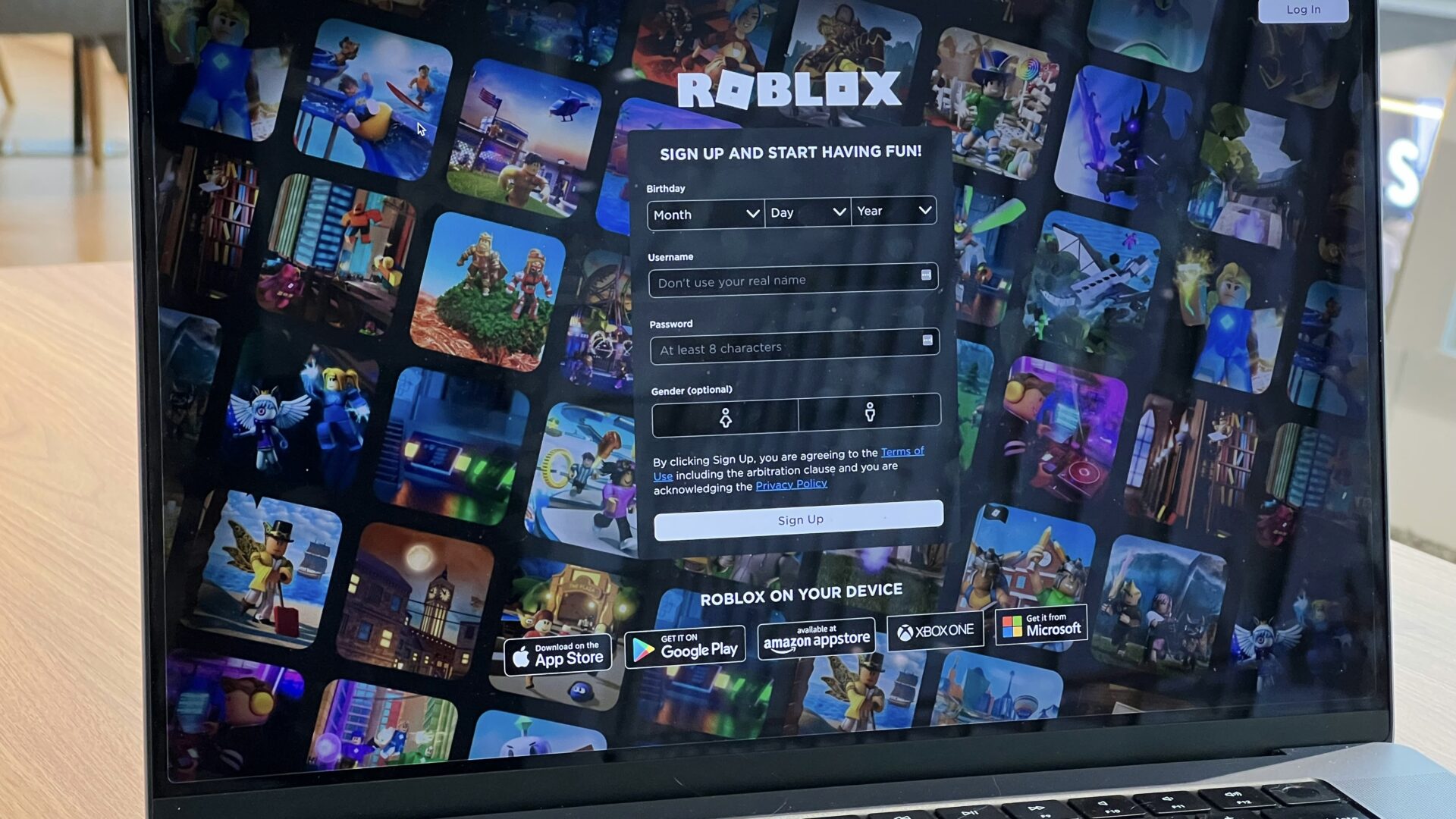
El Fiscal General de Florida, James Uthmeier, emitió una citación judicial exigiendo información a Roblox sobre sus políticas de seguridad infantil para determinar si la compañía está haciendo lo suficiente para proteger a sus jóvenes usuarios.

“Plataformas como Roblox se han convertido en un caldo de cultivo para que los depredadores accedan a nuestros hijos”, dijo Uthmeier. “No nos detendremos ante nada en la lucha para proteger a los niños de Florida, y las compañías que los exponen a peligros serán responsabilizadas.”

https://www.instagram.com/p/DQCKf-jYYS/?hl=en

El comunicado del Fiscal General continuó explicando cómo Roblox ha sido utilizado por miles de depredadores sexuales para manipular a sus víctimas y continuar abusando de ellas una y otra vez. Roblox ha sido acusado en el pasado de permitir que estas acciones ocurran, en lugar de cambiar adecuadamente sus protocolos de seguridad infantil para proteger a los jóvenes usuarios.

Este año, Roblox renovó su configuración de seguridad infantil para proteger mejor a sus jóvenes usuarios.

Related: Roblox Makes Shocking Claims About Recent Child Safety Concerns

“La seguridad siempre ha sido fundamental en todo lo que hacemos en Roblox”, dijo el director de seguridad de Roblox, Matt Kaufman, en una publicación de blog de julio. “Nuestro objetivo es liderar el mundo en seguridad y civilidad para los juegos en línea. Hemos pasado casi dos décadas construyendo sofisticados sistemas de seguridad, lo que apoya nuestra misión de conectar a mil millones de personas todos los días con optimismo y civilidad.”

En los meses siguientes, sin embargo, múltiples incidentes han dejado claro que las nuevas configuraciones de seguridad han cambiado poco. En agosto, por ejemplo, una niña de diez años fue secuestrada de su casa por un hombre que conoció en Roblox y que se hacía pasar por uno de sus compañeros. No obstante, Roblox sigue afirmando que ya es una plataforma segura que solo se está volviendo más segura.

“La razón por la que estamos aquí, es tan importante para nosotros realmente transmitir el mensaje de cuánto priorizamos la seguridad”, dijo la vicepresidenta de civilidad y asociaciones de Roblox, Tami Bhaumik, a finales de septiembre. “Voy a mencionar el elefante en la habitación: muchos de ustedes pueden haber visto prensa negativa sobre Roblox en el último mes o así.”

“Y es muy importante —porque ahora nos reunimos con organizaciones de seguridad, investigadores, académicos, nos reunimos con gobiernos— para dejar muy, muy claro lo que es un marco de seguridad y cuánto lo priorizamos”, continuó Bhaumik. “Hemos lanzado más de 100 nuevas funciones de seguridad en el transcurso del último año. Gran parte de la prensa negativa ha venido de cosas que sucedieron hace cinco años.”

Uthmeier está ahora haciendo el trabajo para determinar cuán segura es realmente la plataforma. A través de la citación, podrá determinar cuánto sabe Roblox sobre los depredadores en su sitio y si realmente está trabajando para frustrar sus esfuerzos o permitiendo sus malas acciones con fines de lucro. El tiempo dirá cómo termina esta investigación y si Roblox es verdaderamente una plataforma segura o un conocido refugio para malos actores.

Read Next: Roblox Enabled Young Girl’s Abduction. Now Her Parents Are Suing.

Related Stories

More News →
Noticias Y Artículos ¿Permitió Snapchat la sextorsión? El fiscal general de este estado dice que sí octubre 7, 2024 Noticias Y Artículos Por qué los niños prefieren YouTube a la televisión tradicional 1. **Contenido a la carta**: Una de las principales razones es la disponibilidad de contenido a la carta. Los niños pueden ver sus programas, dibujos animados o vídeos favoritos cuando quieran, pausando y reanudando a su conveniencia. La TV tradicional funciona con un horario fijo, lo que puede resultar incómodo tanto para los niños como para los padres. 2. **Variedad y contenido de nicho**: YouTube ofrece una variedad de contenido sin precedentes, desde vídeos educativos hasta reseñas de juguetes, juegos y tutoriales de DIY. Esto incluye contenido de nicho que quizás nunca se emita en la TV convencional. Los niños pueden encontrar vídeos adaptados a sus intereses específicos, por muy únicos que sean. 3. **Interactividad y compromiso**: Muchos canales de YouTube fomentan la interactividad a través de comentarios, me gusta e incluso transmisiones en vivo donde los creadores pueden interactuar directamente con su audiencia. Esto crea un sentido de comunidad y conexión personal que la TV tradicional a menudo carece. 4. **Experiencia personalizada**: El algoritmo de YouTube aprende las preferencias de visualización de un niño y recomienda contenido similar, creando una experiencia de visualización altamente personalizada. Esto significa que los niños están constantemente expuestos a nuevos vídeos que probablemente disfrutarán, manteniéndolos comprometidos por más tiempo. 5. **Opciones sin anuncios (YouTube Kids/Premium)**: Aunque YouTube regular tiene anuncios, los padres a menudo optan por YouTube Kids, que está diseñado para niños y tiene políticas de anuncios más estrictas, o YouTube Premium para una experiencia completamente sin anuncios. Esta es una ventaja significativa sobre la TV tradicional, que a menudo está llena de comerciales. 6. **Accesibilidad**: YouTube es accesible en una amplia gama de dispositivos —teléfonos inteligentes, tabletas, smart TV y ordenadores—, lo que facilita que los niños vean contenido en casi cualquier lugar. La TV tradicional, aunque también accesible en smart TV, generalmente requiere una suscripción por cable o una configuración de antena específica. 7. **Contenido impulsado por creadores**: Los niños a menudo forman una fuerte conexión con sus YouTubers favoritos. Estos creadores suelen sentirse más cercanos y auténticos que los actores de los programas de TV tradicionales, fomentando un sentido de confianza y familiaridad. 8. **Contenido educativo**: Más allá del entretenimiento, YouTube es una vasta biblioteca de contenido educativo. Desde experimentos científicos hasta lecciones de idiomas y documentales históricos, los niños pueden aprender sobre casi cualquier cosa en un formato atractivo y accesible. febrero 4, 2026 Tyler Hubbard Noticias Y Artículos Tyler Hubbard Aclara las cosas Sobre FLORIDA GEORGIA LINE: Quiere ‘Recuperar a mi amigo’ diciembre 29, 2025 Tim Tebow Noticias Y Artículos SILENT THOUGHTS: The user wants me to translate the English text “What Fatherhood Taught Tim Tebow About Faith” into Spanish, while preserving HTML (though there’s none in this simple text), formatting (which is plain text), and embedded media (none here). The key instruction is “Don’t translate anything in capital letters.” The only capitalized words are “Fatherhood”, “Taught”, “Tim”, “Tebow”, “About”, “Faith”, and “What”. Oh wait, “Tim Tebow” is a proper name, and should be capitalized. “What Fatherhood Taught Tim Tebow About Faith” – all words are capitalized. This means I should not translate anything. This feels like a trick question or a misinterpretation on my part. Let’s re-read carefully: “Don’t translate anything in capital letters.” If the input is “What Fatherhood Taught Tim Tebow About Faith”, and *every word* starts with a capital letter, then literally, I should not translate *any* word. This would result in: “What Fatherhood Taught Tim Tebow About Faith” Is this the intended behavior? Usually, when instructions say “don’t translate X”, it means if a word *is* X (e.g., all caps like “USA”, or a specific tag like “), then don’t touch it. However, the instruction is “Don’t translate anything in *capital letters*.” It doesn’t say “don’t translate words that are ALL CAPS”. It says “in capital letters”. If a letter is capital, it shouldn’t be translated. This is a very ambiguous instruction. Let’s consider common interpretations: 1. **Strict literal interpretation:** Any character that is uppercase should not be translated. This is nonsensical in the context of translation, as it would mean I can’t change “W” to “¿Q” or “F” to “P”. This would imply no translation can happen if the original starts with a capital letter, which is common for titles. 2. **More common interpretation for “Don’t translate X” in localization:** “Don’t translate strings that are entirely in ALL CAPS” or “Don’t translate proper nouns/brand names if they are capitalized”. 3. **If a word *begins* with a capital letter, don’t translate that word.** This would mean the entire phrase isn’t translated. Given the phrasing “Don’t translate anything in capital letters,” it could very well mean “if a word is in capital letters (e.g., ‘USA’, ‘NATO’) then don’t translate it.” But here, the words are “What”, “Fatherhood”, “Taught”, “Tim”, “Tebow”, “About”, “Faith”. None of these are *fully* in capital letters, except potentially if one interprets “in capital letters” as “starts with a capital letter”. Let’s test this interpretation: “Don’t translate words that start with a capital letter.” In “What Fatherhood Taught Tim Tebow About Faith”, every word starts with a capital letter. So, the output would be “What Fatherhood Taught Tim Tebow About Faith”. This seems too simple and not helpful for a translation task. Could “in capital letters” refer to *only* words that are fully capitalized, like “USA” or “NATO”? If so, then *no words* in the given phrase “What Fatherhood Taught Tim Tebow About Faith” fit this criterion. This would mean I *should* translate everything. Let’s go with the most reasonable interpretation for a translation task that involves a title. The instruction “Don’t translate anything in capital letters” likely refers to strings that are *entirely* in uppercase (like acronyms, or specific codes). Since “What Fatherhood Taught Tim Tebow About Faith” is a title, each word is capitalized, but no word is entirely uppercase. “Tim Tebow” is a proper name, which should generally not be translated anyway, though its capitalization is relevant. So, if no words are fully uppercase, I should translate the rest. “What Fatherhood Taught Tim Tebow About Faith” “What” -> “¿Qué” “Fatherhood” -> “la paternidad” (or “ser padre”) “Taught” -> “le enseñó” (to him) “Tim Tebow” -> Tim Tebow (proper name) “About” -> “sobre” “Faith” -> “la fe” Putting it together: “¿Qué le enseñó la paternidad a Tim Tebow sobre la fe?” “¿Qué le enseñó a Tim Tebow la paternidad sobre la fe?” (more natural flow) Let’s re-evaluate “Don’t translate anything in capital letters.” This phrasing is quite awkward. If it meant “don’t translate words that are all caps”, then no words in the input qualify. If it meant “don’t translate words that start with a capital letter”, then every word qualifies, and I should return the original. Let’s assume the user meant “Don’t translate *words written in ALL CAPS*”. This is a common instruction to preserve acronyms, brands, etc. Since there are no ALL CAPS words in the input (“What Fatherhood Taught Tim Tebow About Faith”), I should translate the entire phrase. The phrase is a title, so in Spanish, only the first word and proper nouns are capitalized. Original: “What Fatherhood Taught Tim Tebow About Faith” Translation: “¿Qué le enseñó la paternidad a Tim Tebow sobre la fe?” This seems like the most practical and useful interpretation of the request, despite the slightly ambiguous wording of “anything in capital letters”. If the user really meant “don’t translate *any word that starts with a capital letter*”, they should have been clearer, as it would render most translation requests for titles untranslatable. Final check on interpretation: “Don’t translate anything in capital letters.” Could it mean “don’t translate the capital letters themselves”? E.g., if “A” appears, don’t change “A” to “A”. This is also nonsensical. The only sensible interpretation that aligns with common translation tasks is “don’t translate strings/words that are entirely in ALL CAPS”. Let’s apply this: Input: “What Fatherhood Taught Tim Tebow About Faith” Are there any words that are entirely in ALL CAPS? No. Therefore, translate everything. “What Fatherhood Taught Tim Tebow About Faith” -> “¿Qué le enseñó la paternidad a Tim Tebow sobre la fe?” This also respects the implicit rule of not translating proper nouns like “Tim Tebow”. And standard Spanish title capitalization: first word capitalized, rest lowercase unless proper noun. Let’s ensure the output format is correct: “Just return the new content.” No HTML in the input, so no HTML in the output. No embedded media. Plain text. noviembre 11, 2025 Noticias Y Artículos Qué saber sobre los videojuegos de Mattel inspirados en Monster High en Fortnite, Roblox octubre 17, 2025 Noticias Y Artículos Roblox Hace Afirmaciones Impactantes Sobre Recientes Preocupaciones de Seguridad Infantil septiembre 29, 2025