Skip to content
Give
← News
Noticias Y Artículos junio 15, 2026

Por qué Tim Tebow no se enfoca en lo que los demás dicen sobre él

Tim Tebow
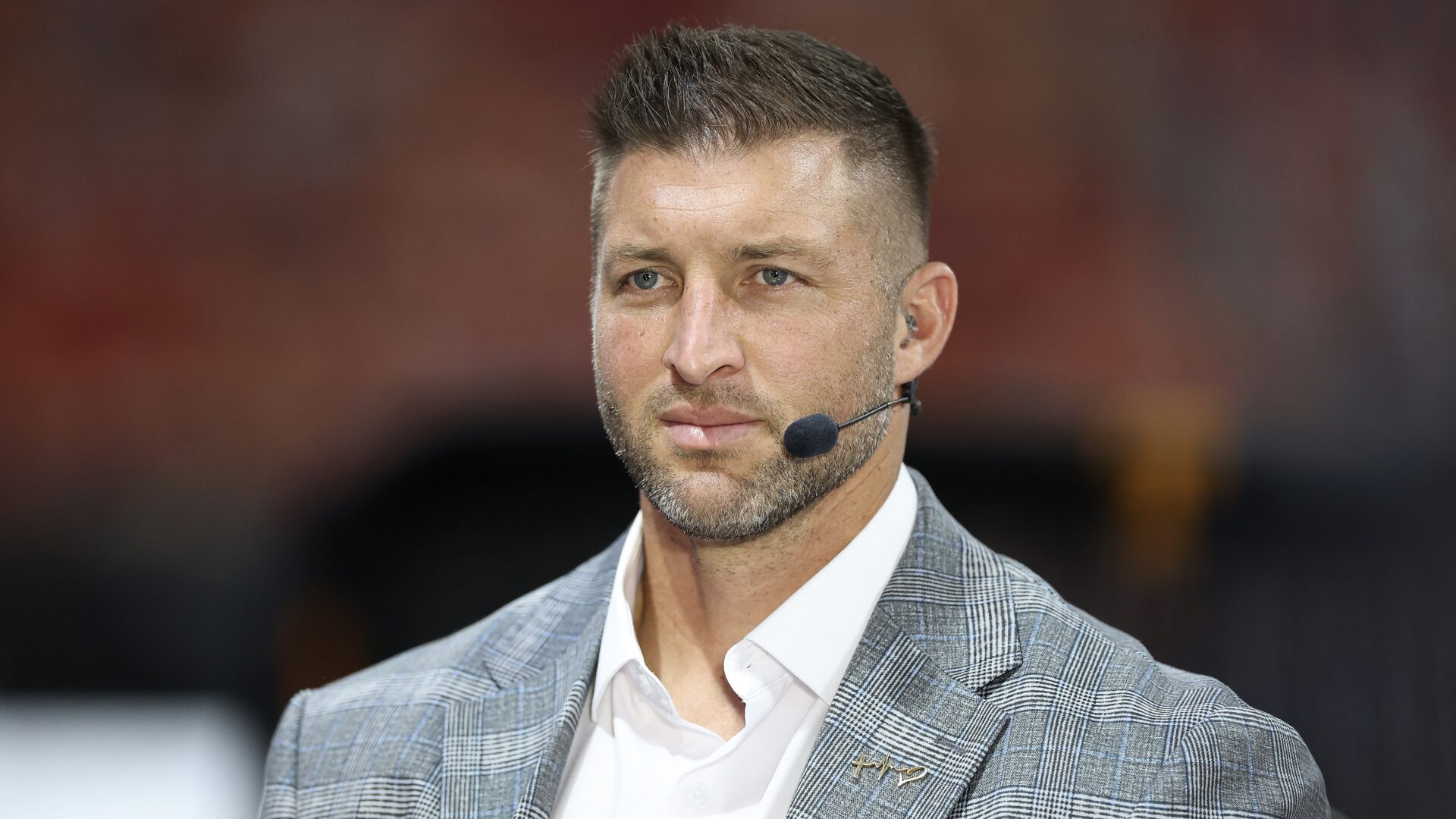
GLENDALE, ARIZONA - JANUARY 08: Sports broadcaster, Tim Tebow, looks on prior to the game between the Ole Miss Rebels and the Miami Hurricanes during the 2025 College Football Playoff Semifinal at the VRBO Fiesta Bowl at State Farm Stadium on January 08, 2026 in Glendale, Arizona. (Photo by Norm Hall/Getty Images)

Para Tim Tebow, las acciones siempre hablarán más que las palabras. 

“Las palabras de afirmación no son mi lenguaje del amor”, dijo en un video reciente de Instagram. “De hecho, es probablemente uno de los más bajos, si no el más bajo; he escuchado muchas palabras, buenas o malas, dichas sobre mí durante mucho tiempo. Y así que no tomo en cuenta mucho lo que la gente dice de mí, ya sea correcto o incorrecto.”

Tebow continuó, “Cuando evalúo, realmente observo cómo tratan a las personas que no pueden hacer nada por ellos. Eso está en nuestros equipos, está en los amigos, está en conocerlos a todos ustedes. Va a pesar mucho más si tratas bien a alguien que no puede hacer nada por ti. Especialmente cuando estás enojado, irritado o algo no sale como quieres. Pero, ¿cómo ves a las personas, o cómo tratas a las personas cuando nadie está allí, o cuando no pueden hacer nada por ti?”

En el pie de foto de la publicación, Tebow escribió: “El verdadero aliento no viene de alguien que trate de ser querido. Viene de alguien que genuinamente te ve.”

Related: Why Is No One Investigating 338,000 CSAM Downloads?

El ex jugador de la NFL puso en acción sus propios pensamientos recientemente. Tebow ha defendido durante mucho tiempo el Acta de Esperanza Renovada, que “crearía y equiparía un ejército de analistas, investigadores y especialistas forenses para encontrar y proteger a más de 50,000 niños que han sido vistos en imágenes de abuso sexual por parte de las fuerzas del orden, pero que aún no han sido protegidos” según el sitio web de la Fundación Tim Tebow. 

La Acta de Esperanza Renovada fue aprobada recientemente por la Cámara de Representantes y ahora irá al escritorio del Presidente. 

“Ahora mismo, 89,000 series de imágenes no identificadas de niños siendo abusados sexualmente han sido vistas por las fuerzas del orden, pero estos niños aún no han sido identificados y están esperando ser encontrados debido a la escasez de recursos y personal,” Tebow dijo en un comunicado. “Cada día que no actuamos es otro día que están en peligro. Hoy, actuamos. Estoy agradecido a nuestros líderes del congreso por llevar esta legislación salvadora de vidas hasta la meta, y a las fuerzas del orden que nunca dejan de luchar por estos niños.”

Continuó, “Mi oración es que la esperanza se renueve para muchos más niños y niñas, y que sus historias sean diferentes por esta legislación. Cuando nos unimos, el cambio real puede suceder; y esto es solo el comienzo.”

En lugar de centrarse en las palabras de los demás, Tebow prefiere bajar la cabeza y ponerse a trabajar en las cosas que importan, ayudar a los demás. 

Read Next: From Setbacks to Strength: Tim Tebow Reflects on Faith and Growth

Related Stories

More News →
Celebrity & Music Faith Stories Tim y Demi Tebow rezan esto sobre su hija agosto 31, 2026 Christian Huff and Sadie Robertson Huff Celebrity & Music Faith Stories Necesitas enfocarte en ‘Lo que Dios ha hablado sobre ti’—Esto es lo que significa agosto 24, 2026 Tim Tebow Noticias Y Artículos Los padres necesitan escuchar la advertencia de Tim Tebow sobre los peligros en línea junio 18, 2026 Tim Tebow Noticias Y Artículos ‘No es suficiente sentir algo’: la opinión de Tim Tebow sobre la verdadera compasión mayo 22, 2026 Noticias Y Artículos Tim Tebow dice que ya no vive con ‘Pecado, vergüenza o culpa’ en una sincera conversación sobre la fe diciembre 12, 2025 Tim Tebow Noticias Y Artículos SILENT THOUGHTS: The user wants me to translate the English text “What Fatherhood Taught Tim Tebow About Faith” into Spanish, while preserving HTML (though there’s none in this simple text), formatting (which is plain text), and embedded media (none here). The key instruction is “Don’t translate anything in capital letters.” The only capitalized words are “Fatherhood”, “Taught”, “Tim”, “Tebow”, “About”, “Faith”, and “What”. Oh wait, “Tim Tebow” is a proper name, and should be capitalized. “What Fatherhood Taught Tim Tebow About Faith” – all words are capitalized. This means I should not translate anything. This feels like a trick question or a misinterpretation on my part. Let’s re-read carefully: “Don’t translate anything in capital letters.” If the input is “What Fatherhood Taught Tim Tebow About Faith”, and *every word* starts with a capital letter, then literally, I should not translate *any* word. This would result in: “What Fatherhood Taught Tim Tebow About Faith” Is this the intended behavior? Usually, when instructions say “don’t translate X”, it means if a word *is* X (e.g., all caps like “USA”, or a specific tag like “), then don’t touch it. However, the instruction is “Don’t translate anything in *capital letters*.” It doesn’t say “don’t translate words that are ALL CAPS”. It says “in capital letters”. If a letter is capital, it shouldn’t be translated. This is a very ambiguous instruction. Let’s consider common interpretations: 1. **Strict literal interpretation:** Any character that is uppercase should not be translated. This is nonsensical in the context of translation, as it would mean I can’t change “W” to “¿Q” or “F” to “P”. This would imply no translation can happen if the original starts with a capital letter, which is common for titles. 2. **More common interpretation for “Don’t translate X” in localization:** “Don’t translate strings that are entirely in ALL CAPS” or “Don’t translate proper nouns/brand names if they are capitalized”. 3. **If a word *begins* with a capital letter, don’t translate that word.** This would mean the entire phrase isn’t translated. Given the phrasing “Don’t translate anything in capital letters,” it could very well mean “if a word is in capital letters (e.g., ‘USA’, ‘NATO’) then don’t translate it.” But here, the words are “What”, “Fatherhood”, “Taught”, “Tim”, “Tebow”, “About”, “Faith”. None of these are *fully* in capital letters, except potentially if one interprets “in capital letters” as “starts with a capital letter”. Let’s test this interpretation: “Don’t translate words that start with a capital letter.” In “What Fatherhood Taught Tim Tebow About Faith”, every word starts with a capital letter. So, the output would be “What Fatherhood Taught Tim Tebow About Faith”. This seems too simple and not helpful for a translation task. Could “in capital letters” refer to *only* words that are fully capitalized, like “USA” or “NATO”? If so, then *no words* in the given phrase “What Fatherhood Taught Tim Tebow About Faith” fit this criterion. This would mean I *should* translate everything. Let’s go with the most reasonable interpretation for a translation task that involves a title. The instruction “Don’t translate anything in capital letters” likely refers to strings that are *entirely* in uppercase (like acronyms, or specific codes). Since “What Fatherhood Taught Tim Tebow About Faith” is a title, each word is capitalized, but no word is entirely uppercase. “Tim Tebow” is a proper name, which should generally not be translated anyway, though its capitalization is relevant. So, if no words are fully uppercase, I should translate the rest. “What Fatherhood Taught Tim Tebow About Faith” “What” -> “¿Qué” “Fatherhood” -> “la paternidad” (or “ser padre”) “Taught” -> “le enseñó” (to him) “Tim Tebow” -> Tim Tebow (proper name) “About” -> “sobre” “Faith” -> “la fe” Putting it together: “¿Qué le enseñó la paternidad a Tim Tebow sobre la fe?” “¿Qué le enseñó a Tim Tebow la paternidad sobre la fe?” (more natural flow) Let’s re-evaluate “Don’t translate anything in capital letters.” This phrasing is quite awkward. If it meant “don’t translate words that are all caps”, then no words in the input qualify. If it meant “don’t translate words that start with a capital letter”, then every word qualifies, and I should return the original. Let’s assume the user meant “Don’t translate *words written in ALL CAPS*”. This is a common instruction to preserve acronyms, brands, etc. Since there are no ALL CAPS words in the input (“What Fatherhood Taught Tim Tebow About Faith”), I should translate the entire phrase. The phrase is a title, so in Spanish, only the first word and proper nouns are capitalized. Original: “What Fatherhood Taught Tim Tebow About Faith” Translation: “¿Qué le enseñó la paternidad a Tim Tebow sobre la fe?” This seems like the most practical and useful interpretation of the request, despite the slightly ambiguous wording of “anything in capital letters”. If the user really meant “don’t translate *any word that starts with a capital letter*”, they should have been clearer, as it would render most translation requests for titles untranslatable. Final check on interpretation: “Don’t translate anything in capital letters.” Could it mean “don’t translate the capital letters themselves”? E.g., if “A” appears, don’t change “A” to “A”. This is also nonsensical. The only sensible interpretation that aligns with common translation tasks is “don’t translate strings/words that are entirely in ALL CAPS”. Let’s apply this: Input: “What Fatherhood Taught Tim Tebow About Faith” Are there any words that are entirely in ALL CAPS? No. Therefore, translate everything. “What Fatherhood Taught Tim Tebow About Faith” -> “¿Qué le enseñó la paternidad a Tim Tebow sobre la fe?” This also respects the implicit rule of not translating proper nouns like “Tim Tebow”. And standard Spanish title capitalization: first word capitalized, rest lowercase unless proper noun. Let’s ensure the output format is correct: “Just return the new content.” No HTML in the input, so no HTML in the output. No embedded media. Plain text. noviembre 11, 2025