Skip to content
Give
← News
Noticias Y Artículos marzo 10, 2026

The user wants to translate an English text to Spanish. I need to identify the translatable parts and the parts that should remain untranslated (capitalized words). The phrase “Why This Actor Suddenly Left SULLIVAN’S CROSSING” needs to be translated. “SULLIVAN’S CROSSING” should remain as is. Translation plan: 1. Translate “Why This Actor Suddenly Left” to Spanish. 2. Keep “SULLIVAN’S CROSSING” as is. 3. Combine them.¿Por qué este actor dejó repentinamente SULLIVAN’S CROSSING?

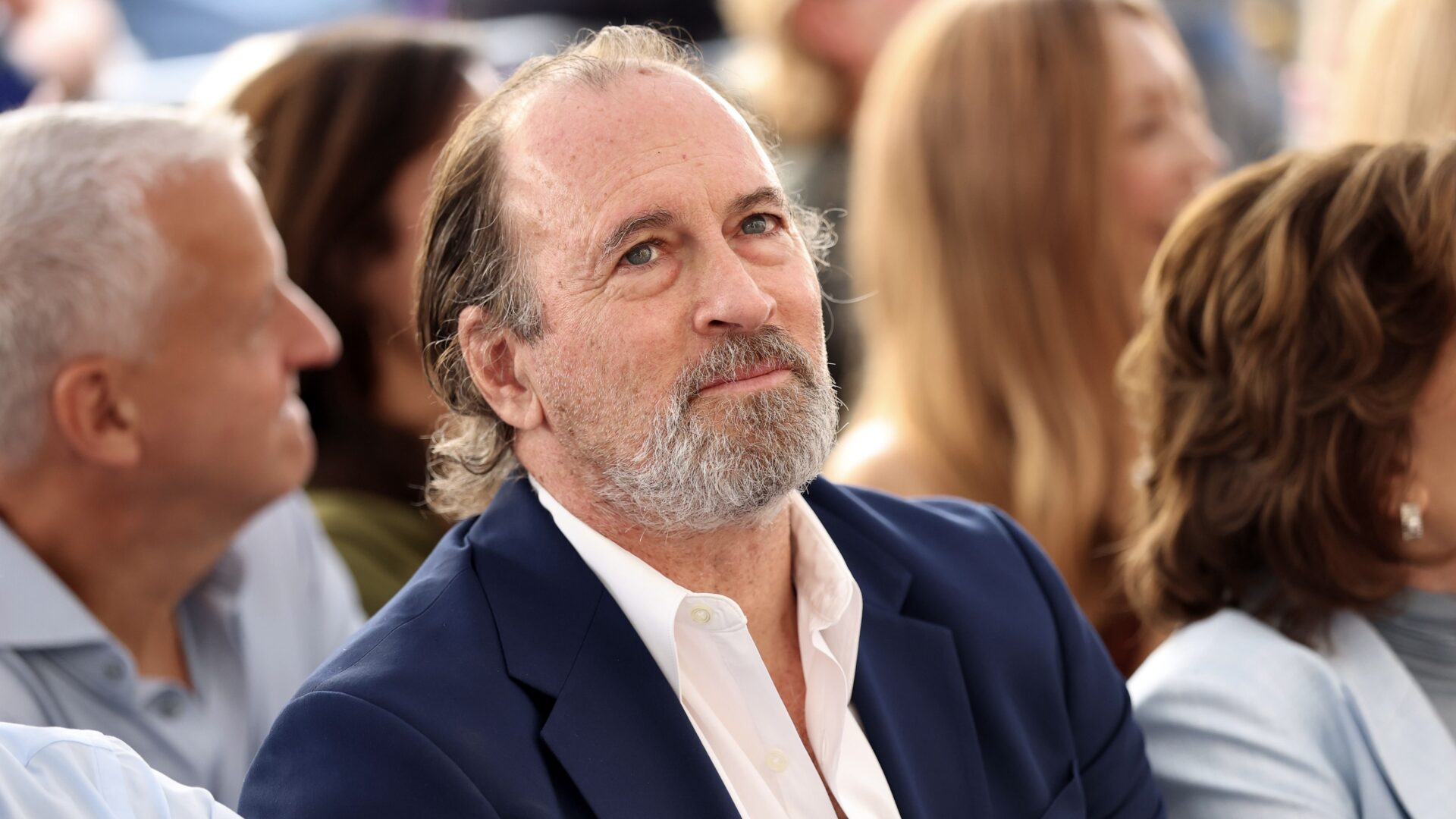
Scott Patterson
HOLLYWOOD, CALIFORNIA - OCTOBER 03: Scott Patterson attends the Hollywood Walk of Fame Star Ceremony for Lauren Graham on October 03, 2025 in Hollywood, California. (Photo by Monica Schipper/Getty Images)

El actor Scott Patterson rompió su silencio sobre su inesperada salida del drama televisivo SULLIVAN’S CROSSING, diciendo que los fans “merecen saber la verdad” sobre la confusión en torno a su partida.

Patterson interpretó a Harry “Sully” Sullivan en la serie y reveló que su decisión de dejar el programa surgió después de continuos desacuerdos tras bambalinas.

“Todo actor sabe lo que es enamorarse de un personaje y una historia,” comenzó una declaración en Instagram a principios de este mes. “Me enamoré de Sully y no tengo más que cariño por él. Las diferencias creativas se estaban volviendo insostenibles, y tristemente me di cuenta de que el programa no era algo que pudiera aceptar continuar.”


“Es lamentable que ahora se esté dando a entender que ellos siguieron adelante sin mí/Sully cuando la verdad es todo lo contrario, y aquellos que tristemente ya se han pronunciado también son plenamente conscientes de este hecho, y sin embargo optaron por decir lo contrario,” dijo el actor. “No tenía la intención de hacer ninguna declaración, pero los fans de los libros y del programa merecen saber la verdad, ya que siempre he sido respetuoso con quienes apoyan esta industria viendo y amando a estos personajes, somos tan afortunados y bendecidos de poder interpretar y dar vida a ellos.”

Concluyó: “Los fans merecían algo mejor que pensar que la personificación de este personaje, yo, faltaría al respeto no solo al programa, sino a ellos. Al final, todos somos fans de estos personajes e historias, y siempre apoyaré y defenderé la verdad.”

Related: 5 Behind-the-Scenes Secrets from SULLIVAN’S CROSSING

La gente en la sección de comentarios mostró su apoyo a Patterson y su decisión.

“Tú fuiste la única razón por la que empecé a ver este programa. No veré la nueva temporada ahora,” dijo una persona. Otra añadió: “¡oh no! ¡tú fuiste la razón por la que empecé a verlo! ¡me entristece verte partir pero respeto totalmente tu decisión, su pérdida!”

La productora ejecutiva de SULLIVAN’S CROSSING, Roma Roth, insinuó la salida de Patterson una semana antes, señalando que el personaje no aparecería en la próxima temporada.

“La temporada 3 de SULLIVAN’S CROSSING terminó con Sully partiendo hacia Irlanda, comenzando un nuevo capítulo en su vida,” dijo ella. “La temporada 4 retoma la historia al día siguiente, con Sully todavía en el extranjero. Aunque no está físicamente presente en esta temporada, el personaje sigue siendo una parte importante del mundo con el potencial de ser incluido en futuras temporadas si eso se alinea con la creatividad en curso.”

La nueva temporada todavía está programada para estrenarse el domingo 22 de marzo.

Movieguide® le dio al primer episodio de la temporada 3 una puntuación de contenido de -1. Parte de la crítica dice, “SULLIVAN’S CROSSING: ‘New Beginnings’ debería tener suficiente drama derivado de la pérdida del personaje principal para mantener la atención del espectador. Sin embargo, resulta plana gracias a diálogos aburridos.”

Movieguide® señala que el episodio “presenta tres escenas donde los besos de los personajes escalan. En una de estas escenas, un personaje se quita intencionalmente la camisa (exponiendo su sostén) para seducir a su novio en el trabajo. Junto con una cosmovisión humanista y al menos un uso del nombre de Dios en vano, estas escenas llevan a MOVIEGUIDE® a aconsejar precaución para audiencias adolescentes y jóvenes adultas.”

Será interesante ver cómo responden los fans a la nueva temporada de SULLIVAN’S CROSSING sin Patterson.

Read Next: EXCLUSIVE: GILMORE GIRLS’ Scott Patterson on Family, Business, Music

Related Stories

More News →
Noticias Y Artículos SILENT THOUGHT: The user wants me to translate the English text “How to Navigate Children’s’ Content on YouTube, According to a Pediatrician” into Spanish. I need to preserve the HTML formatting (though there isn’t any explicitly given, I should assume the output should be plain text if the input is plain text). I must not translate anything in capital letters. In this case, “YouTube” is in capital letters and should remain as is. The output should only be the translated content. Let’s break down the translation: – “How to Navigate” -> “¿Cómo navegar” – “Children’s’ Content” -> “contenido infantil” (or “contenido para niños”) – “on YouTube” -> “en YouTube” (YouTube remains untranslated) – “According to a Pediatrician” -> “según un pediatra” Combining these: “¿Cómo navegar contenido infantil en YouTube, según un pediatra” or “¿Cómo navegar el contenido para niños en YouTube, según un pediatra”. “Contenido infantil” is more concise and common. Final check: – HTML preserved: Yes, plain text to plain text. – Formatting preserved: Yes, single line. – Embedded media: Not applicable here. – Don’t translate capitals: “YouTube” is preserved. – Just return new content: Yes. noviembre 5, 2025 parent, child, phone, scrolling Parenting & Media Wisdom SILENT THOUGHT: The user wants me to translate the English text into Spanish. I need to preserve the HTML formatting and embedded media, though in this case, the input is plain text so there’s no HTML or media to preserve. The instruction “Don’t translate anything in capital letters” is very important. I must identify any words in all caps and leave them as they are in the Spanish translation. The input is “Want Healthier Screen Habits for Your Kids? Start With Your Own Phone”. There are no words in all caps here. So I will translate the entire phrase into Spanish. “Want Healthier Screen Habits for Your Kids?” -> “¿Quieres hábitos de pantalla más saludables para tus hijos?” “Start With Your Own Phone” -> “Empieza con tu propio teléfono” Combine them: “¿Quieres hábitos de pantalla más saludables para tus hijos? Empieza con tu propio teléfono” agosto 29, 2026 Tim Tebow Noticias Y Artículos SILENT THOUGHTS: The user wants me to translate the English text “What Fatherhood Taught Tim Tebow About Faith” into Spanish, while preserving HTML (though there’s none in this simple text), formatting (which is plain text), and embedded media (none here). The key instruction is “Don’t translate anything in capital letters.” The only capitalized words are “Fatherhood”, “Taught”, “Tim”, “Tebow”, “About”, “Faith”, and “What”. Oh wait, “Tim Tebow” is a proper name, and should be capitalized. “What Fatherhood Taught Tim Tebow About Faith” – all words are capitalized. This means I should not translate anything. This feels like a trick question or a misinterpretation on my part. Let’s re-read carefully: “Don’t translate anything in capital letters.” If the input is “What Fatherhood Taught Tim Tebow About Faith”, and *every word* starts with a capital letter, then literally, I should not translate *any* word. This would result in: “What Fatherhood Taught Tim Tebow About Faith” Is this the intended behavior? Usually, when instructions say “don’t translate X”, it means if a word *is* X (e.g., all caps like “USA”, or a specific tag like “), then don’t touch it. However, the instruction is “Don’t translate anything in *capital letters*.” It doesn’t say “don’t translate words that are ALL CAPS”. It says “in capital letters”. If a letter is capital, it shouldn’t be translated. This is a very ambiguous instruction. Let’s consider common interpretations: 1. **Strict literal interpretation:** Any character that is uppercase should not be translated. This is nonsensical in the context of translation, as it would mean I can’t change “W” to “¿Q” or “F” to “P”. This would imply no translation can happen if the original starts with a capital letter, which is common for titles. 2. **More common interpretation for “Don’t translate X” in localization:** “Don’t translate strings that are entirely in ALL CAPS” or “Don’t translate proper nouns/brand names if they are capitalized”. 3. **If a word *begins* with a capital letter, don’t translate that word.** This would mean the entire phrase isn’t translated. Given the phrasing “Don’t translate anything in capital letters,” it could very well mean “if a word is in capital letters (e.g., ‘USA’, ‘NATO’) then don’t translate it.” But here, the words are “What”, “Fatherhood”, “Taught”, “Tim”, “Tebow”, “About”, “Faith”. None of these are *fully* in capital letters, except potentially if one interprets “in capital letters” as “starts with a capital letter”. Let’s test this interpretation: “Don’t translate words that start with a capital letter.” In “What Fatherhood Taught Tim Tebow About Faith”, every word starts with a capital letter. So, the output would be “What Fatherhood Taught Tim Tebow About Faith”. This seems too simple and not helpful for a translation task. Could “in capital letters” refer to *only* words that are fully capitalized, like “USA” or “NATO”? If so, then *no words* in the given phrase “What Fatherhood Taught Tim Tebow About Faith” fit this criterion. This would mean I *should* translate everything. Let’s go with the most reasonable interpretation for a translation task that involves a title. The instruction “Don’t translate anything in capital letters” likely refers to strings that are *entirely* in uppercase (like acronyms, or specific codes). Since “What Fatherhood Taught Tim Tebow About Faith” is a title, each word is capitalized, but no word is entirely uppercase. “Tim Tebow” is a proper name, which should generally not be translated anyway, though its capitalization is relevant. So, if no words are fully uppercase, I should translate the rest. “What Fatherhood Taught Tim Tebow About Faith” “What” -> “¿Qué” “Fatherhood” -> “la paternidad” (or “ser padre”) “Taught” -> “le enseñó” (to him) “Tim Tebow” -> Tim Tebow (proper name) “About” -> “sobre” “Faith” -> “la fe” Putting it together: “¿Qué le enseñó la paternidad a Tim Tebow sobre la fe?” “¿Qué le enseñó a Tim Tebow la paternidad sobre la fe?” (more natural flow) Let’s re-evaluate “Don’t translate anything in capital letters.” This phrasing is quite awkward. If it meant “don’t translate words that are all caps”, then no words in the input qualify. If it meant “don’t translate words that start with a capital letter”, then every word qualifies, and I should return the original. Let’s assume the user meant “Don’t translate *words written in ALL CAPS*”. This is a common instruction to preserve acronyms, brands, etc. Since there are no ALL CAPS words in the input (“What Fatherhood Taught Tim Tebow About Faith”), I should translate the entire phrase. The phrase is a title, so in Spanish, only the first word and proper nouns are capitalized. Original: “What Fatherhood Taught Tim Tebow About Faith” Translation: “¿Qué le enseñó la paternidad a Tim Tebow sobre la fe?” This seems like the most practical and useful interpretation of the request, despite the slightly ambiguous wording of “anything in capital letters”. If the user really meant “don’t translate *any word that starts with a capital letter*”, they should have been clearer, as it would render most translation requests for titles untranslatable. Final check on interpretation: “Don’t translate anything in capital letters.” Could it mean “don’t translate the capital letters themselves”? E.g., if “A” appears, don’t change “A” to “A”. This is also nonsensical. The only sensible interpretation that aligns with common translation tasks is “don’t translate strings/words that are entirely in ALL CAPS”. Let’s apply this: Input: “What Fatherhood Taught Tim Tebow About Faith” Are there any words that are entirely in ALL CAPS? No. Therefore, translate everything. “What Fatherhood Taught Tim Tebow About Faith” -> “¿Qué le enseñó la paternidad a Tim Tebow sobre la fe?” This also respects the implicit rule of not translating proper nouns like “Tim Tebow”. And standard Spanish title capitalization: first word capitalized, rest lowercase unless proper noun. Let’s ensure the output format is correct: “Just return the new content.” No HTML in the input, so no HTML in the output. No embedded media. Plain text. noviembre 11, 2025 Elana Meyers Taylor Noticias Y Artículos The user wants to translate the English text “US Olympian Shares the Realities of Parenting Special Needs Children” into Spanish. I need to preserve the HTML (although there isn’t any in this specific example, the instruction is general). I need to translate the content, but not anything in capital letters. The entire phrase “US Olympian Shares the Realities of Parenting Special Needs Children” is in title case, not all caps. So, everything should be translated. Let’s break it down: – “US Olympian”: “Atleta olímpico estadounidense” or “Olímpico estadounidense” (the latter is more common in headlines). – “Shares”: “Comparte” – “the Realities”: “las realidades” – “of Parenting”: “de criar” or “de la paternidad/maternidad” or “de ser padre/madre” (the first one “de criar” fits well with “niños”). – “Special Needs Children”: “niños con necesidades especiales” or “niños con capacidades diferentes” (the former is more common and direct). Combining them: Option 1: “Atleta olímpico estadounidense comparte las realidades de criar niños con necesidades especiales” Option 2: “Olímpico estadounidense comparte las realidades de la paternidad con niños con necesidades especiales” “Criar niños con necesidades especiales” seems to capture “parenting special needs children” more accurately than “paternidad con niños con necesidades especiales”. Let’s go with “Atleta olímpico estadounidense comparte las realidades de criar niños con necesidades especiales”. It’s natural and accurate. There’s no HTML, formatting, or embedded media to preserve in this specific input.</думай>Atleta olímpico estadounidense comparte las realidades de criar niños con necesidades especiales febrero 18, 2026 Damar Hamlin Noticias Y Artículos SILENT THOUGHT: The user wants me to translate the English text to Spanish. I need to preserve the HTML, formatting, and embedded media, though there’s no HTML or media in the provided text. The instruction “Don’t translate anything in capital letters” is crucial. The phrase “Buffalo Bills Safety Damar Hamlin Baptized: Faith Brings ‘Peace’ and New Purpose” contains several capitalized words. Let’s break it down: – “Buffalo Bills Safety Damar Hamlin Baptized”: “Buffalo Bills Safety Damar Hamlin” should not be translated. “Baptized” should be translated. – “: Faith Brings ‘Peace’ and New Purpose”: “Faith Brings” should be translated. “‘Peace'” should be translated. “and New Purpose” should be translated. Applying the rules: – “Buffalo Bills Safety Damar Hamlin” -> “Buffalo Bills Safety Damar Hamlin” (no translation) – “Baptized” -> “Bautizado” – “: ” -> “: ” – “Faith Brings” -> “La fe trae” – “‘Peace’” -> “‘Paz'” (preserving quotes) – “and New Purpose” -> “y un nuevo propósito” Combining them: “Buffalo Bills Safety Damar Hamlin Bautizado: La fe trae ‘Paz’ y un nuevo propósito” febrero 16, 2026 Nicole C. Mullen Noticias Y Artículos SILENT THOUGHT: The user wants me to translate the English text “Grammy-Nominated Singer Points Victims of Abuse Toward God: ‘He Cares'” into Spanish. I need to preserve the formatting (which is plain text in this case) and not translate anything in ALL CAPS. The ALL CAPS parts are: GRAMMY, GOD. (Ah, wait, “Grammy-Nominated” is an adjective, but “Grammy” itself is a proper noun, a specific award. So “Grammy” should not be translated. “God” is also not to be translated). Let’s break down the sentence: – “Grammy-Nominated Singer” -> “Cantante nominado al GRAMMY” (Keeping GRAMMY) – “Points Victims of Abuse” -> “señala a las víctimas de abuso” – “Toward God:” -> “hacia DIOS:” (Keeping DIOS) – “‘He Cares'” -> “‘Él se preocupa'” / “‘A Él le importa'” / “‘Él cuida'” Combining them: “Cantante nominado al GRAMMY señala a las víctimas de abuso hacia DIOS: ‘Él se preocupa'” This looks good. I have preserved “GRAMMY” and “DIOS” as requested. enero 20, 2026