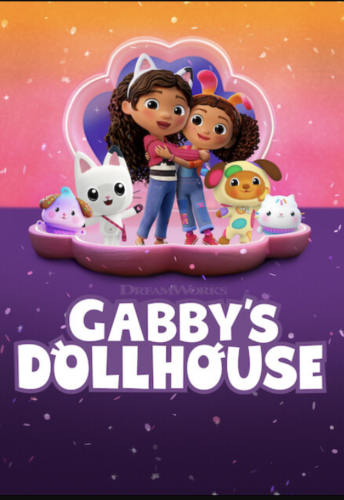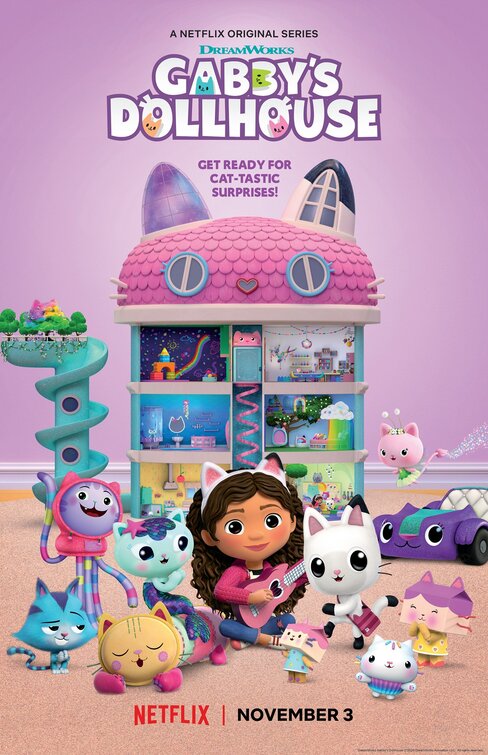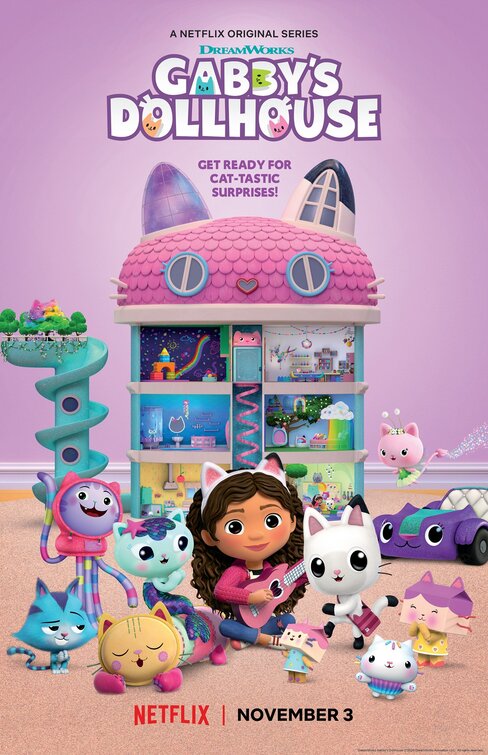
GABBY’S DOLLHOUSE: Episodes 13.1-13.3
A joyful trip to Fairylandia — just talk to your kids about the magic.
Should You Watch It?
These three episodes give you exactly what Gabby's Dollhouse always delivers: bright animation, catchy songs, and cat-themed friends solving problems together. Here, that means a trip to Fairylandia, a missing magic wand, and a very sweet teddy bear tea party. Underneath the fun, the episodes teach real lessons — apologizing when you mess up, forgiving a friend who did, and working as a team.
The catch is the magic itself. Episode 2 leans hard into spells and potions as the way characters fix their problems, and Episodes 1 and 3 carry lighter versions of the same fairy magic. None of it is violent, crude, or scary — this is still preschool television — but it's magic doing the heavy lifting, and that's worth knowing going in.
For most young children, this is easy, wholesome viewing. If you're raising older kids or teens with particular convictions about fantasy magic, watch alongside them and talk it through. Bottom line: a happy, well-made trip to Fairylandia — just go in with your eyes open.
The Story
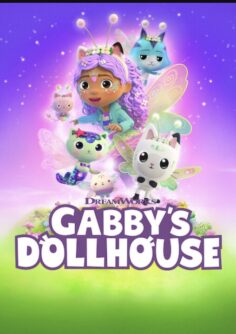
NO SPOILERS — WE KEEP THE SURPRISESGabby, a cat-loving girl who shrinks down into her magical dollhouse world, gets a special delivery: an invitation to Fairylandia. She and her best friend, Pandy Paws, journey there to take part in a ceremony that will earn Gabby a fairy title of her own. But when a mischievous character interferes, a magic wand goes missing — and Gabby's fairy friends need her help to set things right before the big tea party.
Is It Any Good?
Four stars means this is Gabby's Dollhouse at its best. The plotlines are fun, the songs are catchy enough to stick with kids (and parents) long after the episode ends, and the animated fairy-flight sequences are genuinely lovely to look at. The episodes also work in practical lessons — colors, patterns, following instructions — without ever feeling like a worksheet.
There isn't much to critique on the craft side; this is a polished, purpose-built kids' show doing exactly what it sets out to do, and doing it well.
The Worldview
This is a gentle, moral story, and it gets the basics right. Friendship, teamwork, and forgiveness sit at the center of all three episodes. When a character steals something that isn't his, he doesn't get away with it — he admits the mistake, helps make it right, and his friends forgive him. That's a small but real picture of repentance and grace, and it's worth celebrating in a show made for very young children.
The complication is how the story solves its problems. Episode 2 turns to magic spells and potions as the actual mechanism for fixing what went wrong, and the lighter episodes lean on fairy-tale magic too — a wish that comes true, tea that brings toys to life, fairy dust that makes a garden grow. None of it is sinister, but it is magic doing real narrative work, and families who want to shape how their children think about that should watch together and talk.
What the show gets right is the deeper longing: that broken things — friendships, mistakes, missing wands — can be made right again. Scripture points to something better than a spell for that: "Bear with each other and forgive one another... Forgive as the Lord forgave you" (Colossians 3:13).
The Content Guide
The specifics — spoilers included by nature — so you can judge for your own family.
Content Summary
<span data-contrast="auto">(B, C, OO, M): </span><b><span data-contrast="auto">
Dominant Worldview and Other Worldview Content/Elements
</span></b><span data-contrast="auto"> Light moral, redemptive worldview in three episodes set in a magical fantasy place called Fairylandia promotes friendship, working together, and asking for forgiveness as well as forgiving others, but the second episode contains strong occult references where characters cast magic spells and mix potions to solve plot problems, and the first and third episodes contain lighter references to such “magic,” such as a character makes a wish magically fulfilled, some “fairy tea "brings several “Kitty Bears” to life and a cat fairy sprinkles fairy dust to help flowers grow in her “magic” garden set in Fairylandia, an animated world inside a small “Cotton Candy Tree”; </span><b><span data-contrast="auto">
Foul Language
</span></b><span data-contrast="auto"> No foul language; </span><b><span data-contrast="auto">
Violence
</span></b><span data-contrast="auto"> No violence; </span><b><span data-contrast="auto">
Sex
</span></b><span data-contrast="auto"> No sex; </span><b><span data-contrast="auto">
Nudity
</span></b><span data-contrast="auto"> No nudity; </span><b><span data-contrast="auto">
Alcohol Use
</span></b><span data-contrast="auto"> No alcohol use; </span><b><span data-contrast="auto">
Smoking and/or Drug Use and Abuse
</span></b><span data-contrast="auto"> No smoking or drugs; and, </span><b><span data-contrast="auto">
Miscellaneous Immorality
</span></b><span data-contrast="auto"> A character sneaks around and steals a magicalfairy wand that doesn’t belong to him, which causes it to disappear, but he admits his mistake and apologizes for taking it without permission and helps find it, and his friends forgive him.</span><span data-ccp-props="{"201341983":0,"335559740":240}"> </span> <span data-ccp-props="{"201341983":0,"335559740":240}"> </span>
Talk About It
Four questions for the couch, the commute, or the couple bingeing it together.
In the story, a friend takes something that isn't his, but then admits it and helps fix his mistake. What does real repentance look like, and why does it matter that he didn't just get away with it?
Proverbs 28:13 · 1 John 1:9Gabby's friends forgive the one who took the wand. Is forgiving someone the same as pretending nothing happened?
Colossians 3:13 · Ephesians 4:32This story uses magic spells and potions to solve problems. How is that different from how God actually fixes what's broken in our lives?
Psalm 34:18 · Philippians 4:6–7The fairies and friends in Fairylandia work together as a team to fix things. Why does God tell His people to carry burdens together instead of alone?
Galatians 6:2 · Ecclesiastes 4:9–10The Final Word
This is Gabby's Dollhouse doing what it does best — cheerful, catchy, kind-hearted television for young children, with real lessons about forgiveness and friendship tucked inside. It also leans more on fairy-tale magic than some parents will want, especially with older children watching along. So: worth the trip — with parental caution. Watch it, enjoy it, and use the tea party and the missing wand as a chance to talk about what forgiveness really looks like.