ALASKA
A beautiful wilderness adventure weakened by language and mysticism.
Should You Watch It?
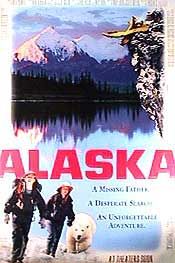
ALASKA offers the ingredients of a wholesome family adventure: two teenagers searching the wilderness for their father, breathtaking scenery, terrific animals, and a polar bear cub who becomes their guide. The story’s family focus and rescue adventure give it real appeal.
But the movie’s weak dialogue, acting, and direction make the journey feel like a standard B-grade wilderness movie on a big budget. The story is also frequently far-fetched, sometimes almost laughably so. More seriously, the film is peppered with obscenities and profane exclamations, and its moral worldview is marred by Indian mysticism.
If you want to see it, wait for home viewing, where you can guide the conversation and decide whether its content suits your family.
The Story
NO SPOILERS — WE KEEP THE SURPRISESAfter their mother dies, teenagers Sean and Jessie move to Alaska with their father, Jake, an airline pilot. When Jake crashes into a mountain during a storm while delivering medical supplies, the siblings brave the wilderness to find him.
Their journey brings them through beautiful but dangerous country, with help from a polar bear cub and obstacles created by poachers.
Is It Any Good?
Two stars means ALASKA has worthwhile pieces but falls short as a film. The scenery looks great, the animals are terrific, and the adventure is breathtaking. Those elements provide the movie’s strongest appeal.
The dialogue and direction are noticeably weak, and the acting is also weak. Much of the story is far-fetched, sometimes almost laughably so. The beautiful photography and adventure cannot overcome those flaws or the movie’s frequent obscenities and profane exclamations.
The Worldview
ALASKA presents a wholesome storyline centered on children searching for their father after a family loss. It values family loyalty, courage, and perseverance in a difficult wilderness. The movie also includes lying, poaching, and talking back to a parent, while Indian mysticism mars its moral worldview.
The film’s family-centered longing fits with Scripture’s concern for compassion and restored relationships: “Be kind to one another, tenderhearted, forgiving one another, as God in Christ forgave you” (Ephesians 4:32). Yet the mystical elements depart from a biblical understanding of where people should seek spiritual guidance.
The Content Guide
The specifics — spoilers included by nature — so you can judge for your own family.
Content Summary
Moral worldview marred by some Indian mysticism; 13 obscenities & 9 profanities; wilderness action violence including man bitten by bear, boy hitting head on rock, & a very violent plane crash; kiss on the cheek; and, lying, poaching, talking back to parent
Talk About It
Questions for the drive home, the dinner table, or the youth group.
Sean says something cruel to his father after the family suffers a loss. How can grief affect the way we speak, and what does Scripture teach about kindness and forgiveness?
Ephesians 4:32 · Colossians 3:13Sean and Jessie brave the wilderness to search for their father. What does courage look like when you are afraid, and where can you turn for help?
Psalm 46:1 · Joshua 1:9The story includes lying, poaching, and talking back to a parent. Why do our choices matter even when we think no one is watching?
Proverbs 12:22 · Ephesians 6:1The movie includes Indian mysticism. How does that compare with the Bible’s teaching about seeking spiritual guidance?
Deuteronomy 18:10–12 · James 1:5The Final Word
ALASKA has beautiful photography, terrific animals, and a wholesome family adventure buried inside weak filmmaking, far-fetched storytelling, profanity, and mysticism. For most families, the wiser choice is WAIT FOR HOME, where parents can guide the experience. For cleaner wilderness adventure, consider.