
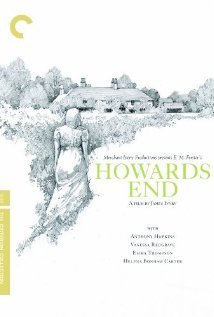
HOWARD’S END
Beautiful craftsmanship, complicated convictions, and better watched at home.
Should You Watch It?
HOWARD’S END has real artistic strengths. Its photography, especially of the English countryside, is beautiful. The acting is commendable, and the film is well crafted. Viewers who enjoy thoughtful dramas about relationships, wealth, family, and an ancestral home may find much to appreciate.
But the film’s moral and worldview problems matter. It includes adultery and profanity, while presenting a heavy-handed humanistic view of social justice. The story’s concern for people and fairness is not grounded in a biblical framework, which may leave Christian viewers appreciating its compassion while grieving its conclusions.
For adults interested in the film, watch it at home, where you can control the setting and discuss its ideas.
The Story
NO SPOILERS — WE KEEP THE SURPRISESHOWARD’S END, based on E. M. Forster’s novel, follows the romantic involvement of two English families: the cosmopolitan, humanistic Schlegels and the wealthy but joyless Wilcoxes. As relationships shift, a beloved ancestral home becomes the center of questions about love, inheritance, family, and justice.
Is It Any Good?
Three stars means this is a well-crafted film with significant artistic merit, though its content and worldview limit its recommendation. The photography is especially beautiful when the film turns to the English countryside. Overall, the acting is commendable, and the production is carefully made.
Those strengths make the film’s shortcomings more disappointing. Its adultery, profanity, and heavy-handed humanistic social justice message keep it from being an uncomplicated recommendation.
The Worldview
The Schlegels are portrayed as cosmopolitan, liberated, humane, and humanistic. The Wilcox family, by contrast, is presented as stuffy, crusty, and complex, exuding insecurity and joylessness despite its vast wealth. The film is concerned with relationships, property, inheritance, and social justice, but its approach is distinctly humanistic rather than biblical.
The film’s compassion for people and its concern with fairness may resonate with Christian viewers. Yet it removes justice from a clear relationship with God and gives a heavy-handed endorsement of humanistic social justice. That leaves the film able to recognize some human needs without offering the biblical foundation that gives justice its proper meaning.
Scripture calls us “to do justice, and to love kindness, and to walk humbly with your God” (Micah 6:8). Howard’s End may long for fairness and belonging, but the biblical vision joins those desires to humility before God.
The Content Guide
The specifics — spoilers included by nature — so you can judge for your own family.
Content Summary
No obscenities and 4 profanities and a humanistic worldview.
Talk About It
Questions for the drive home, the dinner table, or the youth group.
The film contrasts wealth with insecurity and joylessness. What does Scripture say wealth can and cannot provide?
Matthew 6:19–21 · 1 Timothy 6:17–19The story involves inheritance and an ancestral home. How should Christians handle property, possessions, and the temptation to put them before people?
Luke 12:13–21 · Philippians 2:3–4The film presents humanistic social justice. How is biblical justice different from simply deciding what seems fair to us?
Micah 6:8 · Isaiah 1:17The film includes adultery. What does Scripture teach about faithfulness in marriage and the damage caused by unfaithfulness?
Exodus 20:14 · Hebrews 13:4The Final Word
HOWARD’S END is beautiful, carefully made, and acted with commendable skill. But adultery, profanity, and its heavy-handed humanistic worldview make it a better home viewing choice for adults who are prepared to discuss those concerns. Our answer is WAIT FOR HOME. For more suitable choices, see.

