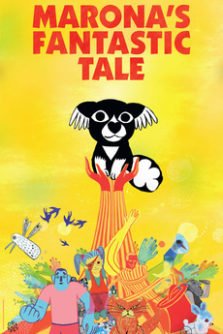
MARONA’S FANTASTIC TALE
A beautiful, bittersweet dog story for older children and adults.
Should You Watch It?
Yes—if your family includes older children who can handle sadness. Marona’s Fantastic Tale is stylistically engaging, with unique and abstract animation and a thoughtful point of view that recognizes each character’s struggles, desires, and joys.
The story also carries a strong moral heart. It honors loyalty, sacrifice, friendship, charity, and looking out for misfits. The cost is a somber ending, along with some violence, smoking, and brief foul language. Its Romantic emphasis on following your dreams also softens an otherwise redemptive worldview.
If those concerns fit your family’s discernment, this is worth seeing with older children and adults.
The Story
NO SPOILERS — WE KEEP THE SURPRISESMarona is the ninth puppy in her litter. Over the course of her life, she receives three different names and changes owners three times.
She begins with an acrobat, then comes under the care of a construction worker, and eventually finds a home with a young girl whose family reluctantly lets her keep the stray. Through each chapter, Marona’s loyalty brings her into the joys and struggles of the people around her.
Is It Any Good?
Four stars means this film is a strong artistic achievement. The animation is unique and abstract, giving Marona’s Fantastic Tale a distinctive visual identity rather than presenting a conventional cartoon world.
The film also gives each character a well-rounded point of view. Their struggles, desires, and joys receive thoughtful attention, which deepens the story’s emotional effect. The somber ending may not satisfy viewers seeking a happy-ever-after conclusion, but the filmmaking and moral seriousness make this a memorable animated fantasy.
The Worldview
The film presents a strong moral and redemptive worldview through Marona’s loyalty and sacrifice. It extols friendship, charity, and looking out for misfits. One character says, “love doesn’t see race,” and a Christian cross appears in the background of two scenes.
The story is marred somewhat by light Romantic elements, especially the idea of following your dreams. Marona recognizes that humans can suffer too easily from a lack of contentment. There is also one instance in which a character almost climbs into Heaven but returns to his body instead of dying; viewers must decide what that means.
The film’s central virtues align with biblical teaching about self-giving love and care for others. Scripture says, “Let each of you look not only to his own interests, but also to the interests of others” (Philippians 2:4).
The Content Guide
The specifics — spoilers included by nature — so you can judge for your own family.
Dominant Worldview and Other Worldview Content/Elements
Strong moral worldview with some Christian, redemptive elements where a dog exemplifies loyalty and sacrifice, friendship extolled, charity extolled, character says “love doesn’t see race,” a Christian cross shown in the background of two scenes, and there’s also one instance where a character almost climbs into heaven but comes back to his body instead of dying, but marred by light Romantic elements where a character wants to follows his dreams but his dog knows that humans suffer all too easily from a lack of contentment
Foul Language
Two “d” words, three light borderline profanities (such as “God only knows”) and dog urinates
Violence
Dog dies after stepping out in front of a moving car, elderly woman smashes a plate and falls down due to her poor health which lands her in the hospital, mention of domestic violence, but it’s not emphasized
Sex
Cartoon woman appears in fishnet stocking and might be a prostitute, but her appearance is too quick to determine for sure, heterosexual couple embraces, married couple kisses
Nudity
Naturalistic animal nudity
Alcohol Use
Social drinking in a few scenes, character drinks wine after making a tough decision but doesn’t get drunk, character mentions he’d like to buy a beer for his professional hero
Smoking and/or Drug Use and Abuse
Smoking, sick elderly woman has to take medication, vets office shown with injured pets, but there’s no blood depicted even though there’s mention of it, IV drip shown;
Miscellaneous Immorality
Mention of a male dog being a racist, but later he has mixed blood puppies so it’s ironic, racism but rebuked, and little girl disrespects her elders as she grows up, but her caretakers institute consequences for her actions.
Talk About It
Questions for the drive home, the dinner table, or the youth group.
Marona repeatedly gives herself for the good of someone she loves. What does Christian sacrifice look like, and how is it different from trying to earn love?
John 15:13 · Philippians 2:3–4The film looks with sympathy at lonely and struggling characters. Who are the “misfits” around you, and what would it mean to show them charity?
Luke 10:30–37 · Hebrews 13:2The story questions the human desire to follow every dream. How can you pursue meaningful work while learning contentment?
Philippians 4:11–13 · 1 Timothy 6:6–8A character says, “love doesn’t see race.” How should Christians respond to partiality and racism?
James 2:1–9 · Galatians 3:28The Final Word
Marona’s Fantastic Tale is beautiful, unusual, and morally serious. Its somber ending and content concerns call for parental discernment, but older children and adults may find a moving story about loyalty, sacrifice, and compassion. WORTH THE TRIP — OLDER CHILDREN AND ADULTS.