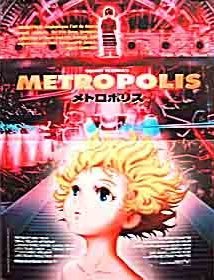
METROPOLIS
Visually stunning anime with biblical echoes and troubling violence.
Should You Watch It?
Metropolis offers a visually stunning animated experience from Japan. Its biblical references are explicit, including the Tower of Babel and a positive reference to God. The film also warns about human hubris and greed.
But the story is convoluted, and its violent metaphors can feel excessive. The movie’s moral point does not always come through clearly, even though its central warning about lust for power is apparent. The apocalyptic ending has unusual emotional force, especially with Ray Charles singing “I Can’t Stop Loving You” as the Tower of Babel crumbles.
This is best experienced at home, where parents can guide older children and teenagers through its themes and content.
The Story
NO SPOILERS — WE KEEP THE SURPRISESA powerful businessman named Duke Red builds a towering skyscraper topped with a mysterious energy device. With the help of a wanted scientist, he seeks to create a robot with special powers—one that looks like a teenage girl.
When Duke Red’s estranged son, Rock, becomes jealous of the project, a Japanese policeman and his nephew, Kenichi, become caught in the conflict. Kenichi saves the robot and names her Tima, but the pair must hide from Rock while the Duke’s ambitions threaten the city of Metropolis.
Is It Any Good?
Three stars means Metropolis has real artistic appeal but significant weaknesses. The animation is visually stunning, and the filmmakers create a memorable apocalyptic climax. The use of Ray Charles’ “I Can’t Stop Loving You” during the Tower of Babel’s destruction is especially distinctive.
The story, however, does not always make sense. The animators also lay on the violent metaphors too thickly, and the ending’s moral purpose remains unclear.
The Worldview
Metropolis presents a romantic worldview with a brief reference to other gods. Its clearest moral ideas are warnings about the hubris and greed of humanity, especially the lust for power. The film explicitly alludes to the biblical Tower of Babel story and includes a positive reference to God, though its dialogue is otherwise non-Christian.
The film’s central warning is valuable: human ambition can become destructive when power matters more than moral responsibility. Yet the story does not clearly explain what should replace that lust for power. Its apocalyptic conclusion rebukes human pride, but the ultimate moral end remains uncertain.
The Tower of Babel account similarly warns against proud self-exaltation: “Let us make a name for ourselves” (Genesis 11:4).
The Content Guide
The specifics — spoilers included by nature — so you can judge for your own family.
Content Summary
Romantic worldview with a brief reference to other gods but with explicit, moral allusions to Tower of Babel story in Bible and to God, as well as a warning about the hubris and greed of Man; several light obscenities; strong cartoon violence including shootings with some blood, arson, people and machines threaten robot who looks like a young teenager girl, and apocalyptic destruction of major part of modern city; no sex; no nudity; alcohol use; smoking; and, lust for power rebuked but to what end seems unclear in the apocalyptic ending.
Talk About It
Questions for the drive home, the dinner table, or the youth group.
What does the Tower of Babel story warn us about human ambition and pride?
Genesis 11:1–9How does the film portray the desire to control the world? What does Scripture say about the danger of loving power?
Mark 10:42–45 · 1 Timothy 6:9–10The movie warns about the hubris and greed of humanity, but does not make its moral answer fully clear. What does God call us to pursue instead?
Micah 6:8 · Philippians 2:3–4The Final Word
Metropolis is visually impressive and contains meaningful biblical references, but its violent imagery and unclear moral point make it better for guided viewing at home. For older children and teenagers, choose it only with discernment. WAIT FOR HOME.