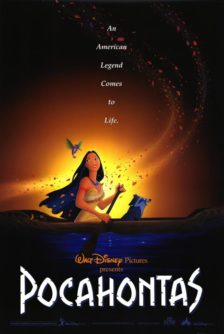
POCAHONTAS
Beautiful, thoughtful, and best judged at home.
Should You Watch It?
Disney’s Pocahontas offers striking animation, sympathetic characters, and a clear preference for peace through negotiation rather than battle. It also makes room for moral responsibility: neither side is portrayed as entirely blameless.
But the film’s spiritual framework is the larger concern. Pocahontas seeks guidance from a talking willow tree, and the story blends environmentalism and spiritism into a pantheistic worldview. The historical tale is also flawed and carefully revised to be politically correct and inoffensive.
That makes this a discernment film rather than an automatic family recommendation. Watch it at home if you want to help your children separate its valuable message about peace from its New Age ideas.
The Story
NO SPOILERS — WE KEEP THE SURPRISESJohn Smith and the English sail to America in search of gold, while Chief Powhatan and his warriors celebrate a victory. Pocahontas, the Chief’s daughter, faces pressure regarding marriage and seeks guidance from a talking willow tree.
When she meets John Smith, a compass connects them. Their relationship unfolds as tensions rise between the English and Pocahontas’s tribe, placing peace between the two groups in danger.
Is It Any Good?
Three stars means this is a good-looking, thoughtful film with significant flaws. The animation is visually stunning, and the characters are sympathetic and interesting. The film also communicates a worthwhile moral point: negotiation is preferable to battle.
It does not have the sweeping themes or archetypal characters of The Lion King. Its historical flaws and politically correct approach also weaken the storytelling. The result is a fairly moral animated fantasy that is engaging in places but compromised by its worldview.
The Worldview
The film’s strongest moral idea is that peace through negotiation is preferable to battle. Pocahontas interrupts a potentially fatal showdown and calls for peace, presenting reconciliation as a way to save many lives. The story also gives both the English and the Native American characters some blame, rather than reducing the conflict to simply good Indians and bad white men.
The deeper problem is pantheism, mixed with New Age thinking and Native American animistic religious beliefs. Pocahontas receives advice from a talking willow tree, and the film presents nature and spiritual guidance in ways that blur the distinction between the Creator and creation. Its environmentalism and spiritism are part of why many viewers may find the movie too New Age.
The film is also historically revisionist and shaped by efforts to be politically correct and inoffensive. Those choices make the story less reliable as history, even while its sympathetic characters and moral points give it some value.
Scripture commends peacemaking: “And a harvest of righteousness is sown in peace by those who make peace” (James 3:18). But biblical peace comes from the God who made creation, not from treating creation itself as a spiritual guide.
The Content Guide
The specifics — spoilers included by nature — so you can judge for your own family.
Content Summary
An pantheistic environmentalist worldview mixing New Age thinking and Native American animistic religious beliefs. This is a revisionist historical tale that takes visible pains to be as politically correct & inoffensive as possible; no obscenities or profanities; action violence involving gunslinging & fist fighting; romantic kissing but no nudity or sexual indiscretions implied or otherwise.
Talk About It
Questions for the drive home, the dinner table, or the youth group.
The film presents negotiation as better than battle. What does it mean to pursue peace without ignoring truth or justice?
Matthew 5:9 · Romans 12:18Pocahontas seeks guidance from a talking willow tree. How does Scripture distinguish the Creator from the creation?
Genesis 1:1 · Romans 1:25The story gives both sides some blame. How should we respond when people in a conflict have each done wrong?
Matthew 7:3–5 · Ephesians 4:32The film takes liberties with history. Why does truth matter when we tell stories about real people and events?
Exodus 20:16 · Ephesians 4:25The Final Word
Pocahontas is visually stunning and offers a worthwhile message about peace, but its pantheistic New Age ideas and historical revisions call for discernment. Watch it at home, where you can guide the conversation. WAIT FOR HOME. For other choices, see.