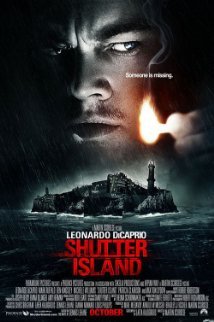
SHUTTER ISLAND
Masterfully shot, morally muddled, and bleak enough to leave you cold.
Should You Watch It?
Martin Scorsese knows how to build dread, and for two hours he does. The setting is oppressive, the mood suffocating, and the film keeps you genuinely guessing — right up until you can start guessing correctly, which happens sooner than the filmmakers probably intended. Ben Kingsley is excellent. The craft is real.
But craft isn't the whole story here. The film stops mid-thriller to argue about whether God "loves violence" or "loves order," to draw parallels between Cold War America and Nazi Germany, and to flirt with socialism as a sympathetic idea — before revealing most of that as a red herring anyway. None of it strengthens the story, and some of it could mislead a viewer who isn't paying close attention. Add a genuinely depressing ending, and you have a well-made film that leaves you worse off, not better.
If you're an adult who wants a moody, well-crafted psychological thriller and can think critically about its detours, this one holds your attention. Everyone else should let it wait — or skip it. Wait for home, and watch it with your guard up.
The Story
NO SPOILERS — WE KEEP THE SURPRISESU.S. Marshal Teddy Daniels and his new partner arrive on an isolated, fortress-like psychiatric hospital, Ashcliffe, on Shutter Island. Their assignment: find a missing patient, a woman who drowned her own children. As Teddy digs into the hospital's practices, he begins to suspect the institution — and the island itself — are hiding something far larger than one missing patient. Visions of his dead wife, and of the concentration camp he helped liberate during the war, keep surfacing as he investigates. As in any good psychological drama, nothing here is quite what it seems — and that's where we'll leave it.
Is It Any Good?
Three stars means real skill on screen, with real limits attached. Scorsese's setting and mood are genuinely powerful, and the film keeps you on the edge of your seat with some legitimate surprises. Ben Kingsley turns in a terrific performance.
But the script leans on red herrings and blind alleys that don't earn their runtime, and in a few places the music and acting tip into over-the-top territory, apparently reaching for suspense it doesn't need. Anyone familiar with plot structure will likely see where the story is headed by the second act. And the ending — the payoff for all that tension — is such a downer that it's hard to imagine most viewers walking away satisfied.
The Worldview
This film's title theme could be Pogo's old line: "We have met the enemy, and he is us." Buried in the plot are real, if muddled, questions about human evil — but the movie surrounds them with a light humanist, depressing, nihilistic frame that never quite resolves into truth.
Along the way, characters argue that God's gift is violence and that God loves violence, arguments that are countered by others insisting God gives us order — but the film treats this less like a real inquiry into God's character and more like set dressing. It layers in politically correct, anti-American revisionist history too: references to Cold War-era psychiatric experiments and clumsy analogies between 1950s America and Nazi Germany, with socialism given a sympathetic hearing. None of this holds up — the film itself reveals these threads as red herrings — but a viewer who isn't paying close attention could walk away with a distorted picture of history, psychiatry, and God.
What the story does get right, even if unintentionally, is its diagnosis: everyone in it is a sinner, institutions included. The tragedy is that the filmmakers don't seem to have meant it that way, and offer no answer for the condition they've depicted. Scripture names the same condition and offers what this film cannot: "For all have sinned and fall short of the glory of God" (Romans 3:23) — and grace beyond it, for those who seek it.
The Content Guide
The specifics — spoilers included by nature — so you can judge for your own family.
Content Summary
Light humanist, depressing, nihilistic worldview with discussions that God loves violence, God’s gift is violence, rebutted by God gives us order, with murder and mayhem denying appeals to God and psychiatry failing too, plus strange politically correct, Anti-American, revisionist history references to the House on Un-American Activities Committee engaging in psychiatric experiments with analogies between Nazi Germany and the American government in the 1950s, but none of these political, psychological, spiritual musings seem to have any validity, and they turn out to be red herrings, and socialism is extolled; 45 obscenities and 26 profanities, plus arguments about God saying God’s gift is violence and God loves violence countered with appeals to God and statements that God loves order; constant references to violence and horrific aftermath of violence including Nazi general who shot himself and is shown several times with his head partially blown off and he’s still alive, woman who’s back is burnt badly, woman shot in stomach with lots of blood, children drowned, man with highly disfigured face from beating, doctor stabbed with syringe, and protagonist beats up two people; no sex but hugging and kissing; some shot of full male nudity and naked paintings of insane prisoners of the past and of naked women; much drinking and man is an alcoholic; tons of smoking and man given drugs; and, deception, paranoia, and psychobabble.
Talk About It
Questions for the drive home, the dinner table, or the youth group.
The movie's title theme is Pogo's line, "We have met the enemy, and he is us." How does Scripture describe the human heart, and where does it point for hope beyond it?
Jeremiah 17:9 · Romans 3:23Characters in the film argue that "God's gift is violence," while others insist God loves order. What does the Bible actually say about God's character?
1 Corinthians 14:33 · Psalm 11:5The film treats institutions — a hospital, a government — with deep suspicion, then reveals much of that suspicion as a dead end. When is discernment wise, and when does suspicion become its own trap?
1 Thessalonians 5:21 · Proverbs 14:15The story ends in despair rather than hope. How does the gospel answer the same brokenness this film diagnoses but can't heal?
Romans 8:24–25 · Revelation 21:4The Final Word
Scorsese and DiCaprio have made something skillfully unsettling — and something that leaves you with more confusion than conviction. The craft is real; so are the detours into bad theology and worse history, wrapped around an ending with no light in it. Our answer stands: wait for home — adults only. If you're planning family movie night instead, start with our latest.