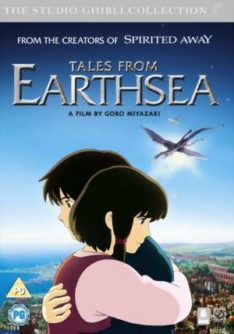
TALES FROM EARTHSEA
Colorful fantasy adventure worth seeing with discernment.
Should You Watch It?
TALES FROM EARTHSEA is a compelling animated fantasy with colorful animation, interesting characters, and a strong moral conflict between a heroic wizard and an evil wizard seeking immortality. The good wizard’s mixture of gentle kindness and strength gives the story much of its appeal, while the adventure grows more exciting after a slow, mysterious beginning.
The movie’s costs are real. Strong fighting violence and scary moments make it a poor choice for younger children. Its worldview combines magic, sorcery, environmental ideas about the “balance” of nature, and uncertain ideas about life and death. The result is intriguing but spiritually vague.
If you are choosing for teenagers or adults who can exercise discernment, this colorful adventure is worth seeing; for younger children, choose something gentler.
The Story
NO SPOILERS — WE KEEP THE SURPRISESPrince Arren leaves his kingdom after taking his father’s magical sword. He soon meets Sparrowhawk, a wandering archmage trying to restore balance to a world where crops are dying, magic is weakening, and dragons are returning.
Their journey brings them to Sparrowhawk’s friend Tenar and her adopted daughter, Therru. Together, they face an evil wizard whose search for immortality threatens the separation between life and death.
Is It Any Good?
Three stars means TALES FROM EARTHSEA is a strong, compelling film that falls short of greatness. Its story, characters, and colorful animation are engaging, and the adventure becomes more exciting when the heroes encounter slave traders led by the evil wizard’s henchman.
The opening is a bit slow and mysterious because the film delays explaining Sparrowhawk’s quest. That mystery does create interest, however, and Timothy Dalton’s excellent voice work brings Sparrowhawk’s gentle kindness and strength through strongly. Fans of the original novels may be upset by the movie’s changes to those stories.
The Worldview
TALES FROM EARTHSEA presents a strong but slightly mixed pagan worldview. It uses magic and occult sorcery in a fantasy world, along with vague environmentalist notions about the “balance” of nature. The film also includes redemptive and allegorical references to light as the source of good power, forgiveness, moral consequences, and the defeat of an evil sorcerer who kills and enslaves people in his search for immortality.
Its ideas about life and death remain uncertain. The “cycle” of life and death may suggest reincarnation, while another statement says people have only one life to live. The film also suggests that dragons and humans were once one race. These ideas are not fully explained, and the protagonists never refer to God, though a minor character mentions “gods.”
The movie suggests some of Ursula LeGuin’s themes but does not explore them as deeply as the novels. A biblical view affirms that God—not magic or an impersonal balance—rules life and death: “The LORD kills and brings to life” (1 Samuel 2:6).
The Content Guide
The specifics — spoilers included by nature — so you can judge for your own family.
Content Summary
Strong, slightly mixed pagan worldview with vague environmentalist notions about the “balance” of nature in a fantasy world on another planet where magic and occult sorcery works, minimized by some redemptive, allegorical, symbolic references to light indicating that light is the source of good power as well as redemptive references to forgiveness and some moral elements such as finally deciding to accept the consequences of bad decisions and defeating an evil sorcerer seeking immortality and willing to kill and enslave people to get it, plus a reference to the “cycle” of life and death but in the sense that death is a part of life and a statement about having only one life to live (but this may only be in the English language version because the original novels apparently support the theory of reincarnation), but also some apparent dualistic notions are expressed but not fully explained and there is no reference to God by the protagonists, though one minor character mentions “gods”; no foul language; some strong action cartoon violence such as fighting, man’s arm cut off, dragon bites another dragon and blood flows, scary villains, main villain tries to strangle girl, much of tower crumbles with people on top of it, people hang on top of crumbling tower for dear life, prince stabs father (the king) and steals magical sword; no sex; no nudity; alcohol use and drunkenness in a villain; no smoking; and, stealing, kidnapping and slavery but much of it is rebuked in some way.
Talk About It
Questions for the drive home, the dinner table, or the youth group.
The heroes seek to restore balance to a troubled world. What does Scripture say about who sustains creation and keeps it together?
Colossians 1:16–17 · Psalm 24:1The evil wizard seeks immortality. Why might a person fear death, and what hope does Jesus offer?
John 11:25–26 · Hebrews 2:14–15The film includes forgiveness and the need to accept the consequences of bad decisions. How are forgiveness and repentance connected?
2 Corinthians 7:10 · 1 John 1:9The story uses light as a symbol of good power. How does Scripture describe God’s light, and how should His people live in it?
John 8:12 · 1 John 1:5–7The Final Word
TALES FROM EARTHSEA offers teenagers and adults a colorful, compelling fantasy adventure with strong characters and animation. Its violence, scary moments, and spiritually mixed magic call for discernment, especially with younger children. For the right audience, the answer is WORTH THE TRIP — TEENS AND ADULTS.