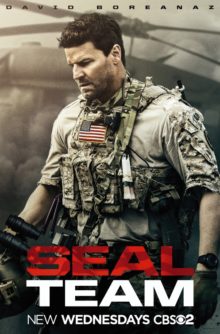
SEAL TEAM: Episode 3:15: Rules of Engagement
A thrilling, patriotic mission with a personal cost.
Should You Watch It?
Yes, if you and your family’s teenagers can handle intense military action. “Rules of Engagement” honors the service and sacrifice of American soldiers while showing the personal cost of letting military work consume your whole life. Its central concerns include courage, responsibility, loyalty, and cultivating relationships.
The episode also clearly opposes the chaos and evil spread overseas by terrorist groups and hostile powers. The battle violence is strong, and the content guide notes brief foul language, PTSD imagery, and vaguely implied fornication.
For teenagers and adults, this is a dramatic, thrilling, patriotic episode worth watching.
The Story
NO SPOILERS — WE KEEP THE SURPRISESJason Hayes, the leader of Bravo Team, is still suffering from PTSD and struggling to share his pain with his girlfriend. Then he and the team are sent to Niger to protect a mountain dam and American engineers from an imminent attack by an Islamic militia led by a Russian operative.
As the team prepares for the mission, its members face difficult questions at home involving family, military service, stolen valor, and political responsibility.
Is It Any Good?
Four stars means this episode is a highly effective piece of television. “Rules of Engagement” is dramatic, thrilling, and patriotic, with a strong overseas mission and personal stories that deepen the characters.
The episode also benefits from the continuing development of Bravo Team’s members. Their missions shift from episode to episode, while ongoing challenges at home give the cast and crew opportunities to develop the characters further.
The Worldview
The episode presents a very strong moral and patriotic worldview. It honors the service and sacrifice of American soldiers who serve their country and seek to make the world a safer place. It also emphasizes concern for fellow soldiers and the importance of maintaining relationships beyond military work.
At the same time, the episode portrays terrorist groups and hostile international powers as sources of chaos, evil, political instability, death, and destruction. It criticizes State Department officials for trying to tarnish the reputation of a courageous ambassador who died during a terrorist siege. The story also warns that service can take a personal toll when someone pushes away the people he loves.
The episode’s emphasis on sacrifice and care for others aligns with a biblical understanding of love: “Greater love has no one than this, that someone lay down his life for his friends” (John 15:13).
The Content Guide
The specifics — spoilers included by nature — so you can judge for your own family.
Dominant Worldview and Other Worldview Content/Elements
Very strong moral, patriotic worldview honors the service and sacrifice American soldiers make while serving their country and making the world a safer place, Navy SEAL officer leading a team discusses his concern for his men two or three times, the U.S. State Department is attacked for its usual malfeasance (in this case, State Department officials wrongly try to tarnish the reputation of a courageous ambassador who died during a siege by Islamofascist terrorists), and a reference to Russia and Communist China trying to extend their power in Africa and elsewhere around the world
Foul Language
10 relatively light obscenities (one “d” word, two a** words and seven “h” words) and zero profanities
Violence
One somewhat graphic but quick image with blood spraying of a bullet hitting an enemy soldier in the head, and the man falls down, plus lots of strong war violence, and some light violence includes explosions, lots of gunfire, soldiers engage in a prolonged gun battle with insurgents over a tall mountain dam stretched over a chasm, soldiers run through a hostage rescue training mission for an important U.S. senator, man suffering PTSD has nightmares about previous battles, and two men get involved in a bar altercation when one of the men is engaged in stolen valor, falsely claiming to be a Navy SEAL and having seen battle overseas
Sex
No sex scenes, but unmarried man and woman are sleeping together in bed, and man has a nightmare in the middle of the night, so there’s vaguely implied fornication, plus a man mentions putting dollar bills in G-strings
Nudity
Upper male nudity in one scene, and woman wears black nightgown
Alcohol Use
Some alcohol use
Smoking and/or Drug Use and Abuse
No smoking or drugs;
Miscellaneous Immorality
Man in bar caught lying about serving in the United States military as a Navy SEAL, but he is rebuked, and Navy SEAL suffering PTSD talks to a military psychologist in two sessions.
Talk About It
Questions for the drive home, the dinner table, or the youth group.
Jason is told that he cannot let work consume his whole life. How can serving others become unhealthy when it pushes away the people we love?
Mark 12:31 · 1 Timothy 5:8The episode honors soldiers who sacrifice for the safety of others. What does genuine courage look like, and how is it different from seeking praise?
John 15:13 · Philippians 2:3–4Jason struggles to talk about his PTSD. Why can honest conversation and wise counsel matter when someone is suffering?
Galatians 6:2 · Proverbs 11:14Several characters face questions about truth, reputation, and responsibility. Why should Christians care about defending what is true?
Ephesians 4:25 · Proverbs 12:22The Final Word
“Rules of Engagement” is a dramatic, thrilling, patriotic episode that honors sacrifice while acknowledging the cost of military service. Its war violence and other concerns call for parental discernment with younger viewers, but teenagers and adults can find meaningful themes about courage, truth, and relationships. WORTH WATCHING — TEENS AND ADULTS.