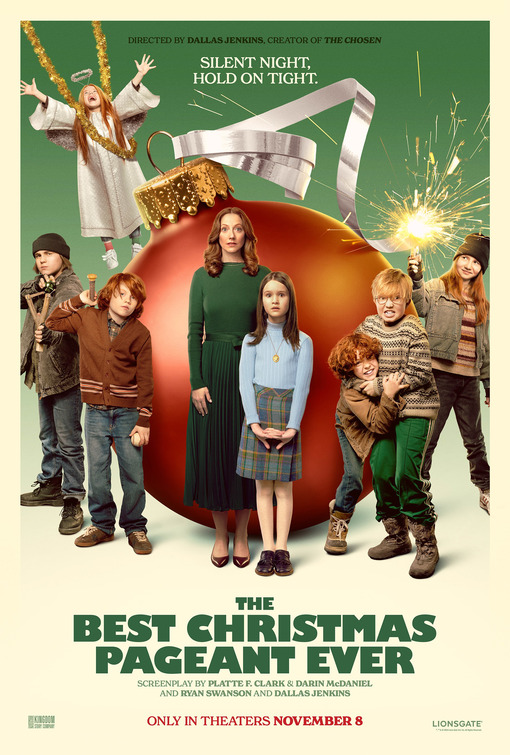
THE BEST CHRISTMAS PAGEANT EVER (AI DRAFT)
The Herdmans take over the pageant—and make the town see Christmas afresh.
The Worldview
Read it together. The Herdmans’ bullying, smoking and misuse of God’s name are real concerns, but the book places the birth of Jesus at its center and invites you to see the Christmas story with fresh attention.
The story honors the wonder of Christ’s birth and the value of welcoming children other people avoid. The Herdmans’ questions expose how familiar Bible stories can become routine; their curiosity helps the churchgoers consider the hardship and danger faced by Mary, Joseph and Jesus. The novel does not turn the Herdmans into models of obedience, and it often treats their cruelty as comedy. Their behavior deserves clear parental guidance. The story’s jokes sometimes make the Nativity irreverent, but the pageant ultimately points its audience back toward the birth of Christ.
The town’s renewed attention to Jesus’ birth connects with the angel’s announcement: “For unto you is born this day in the city of David a Savior, who is Christ the Lord” (Luke 2:11, ESV).
The Story
NO SPOILERS — WE KEEP THE SURPRISESWhen the six Herdman siblings show up at Sunday school for the snacks, they end up claiming the leading parts in the church Christmas pageant. They have never heard the Nativity story, and their questions unsettle the children who have performed it year after year. Now the narrator’s mother must direct a pageant starring the town’s most unruly family—and try to get everyone to the stage.
The Content Guide
The specifics — spoilers included by nature — so you can judge for your own reader.
- Chapter 1 The Herdmans are introduced as bullies who smoke, steal and set a toolhouse on fire; the chapter also describes their taunts about other children’s weight.
- School cat incident A feral cat scratches children and kills small pets during a chaotic classroom visit.
- Pageant rehearsals Imogene misuses God’s name as an exclamation; the book also refers to the Herdmans smoking in the church.
- Nativity-story discussions The children discuss Herod’s killings and his threat to kill Jesus; the Herdmans also want to give Herod a violent punishment, including hanging him.
A locator so a parent can pre-read the scenes that matter instead of the whole book.
Dominant Worldview and Other Worldview Content/Elements
Christian worldview centers on the Nativity, church and renewed attention to Jesus’ birth. It is marred by the Herdmans’ bullying and irreverent jokes, which are often played for comedy.
Foul Language
A few profanities: Imogene misuses God’s name as an exclamation during pageant preparation. The narrator also says the Herdmans cuss and take the Lord’s name in vain without printing every word. Insults include repeated taunts about children being fat.
Violence
Moderate, mostly comic but with real injuries and danger, such as the Herdmans’ fire destroying a toolhouse, their dangerous chemistry-set and bomb-making talk, a feral cat scratching children and killing small pets, and children being hit and left bruised. The Nativity discussions mention Herod’s killings and his intent to kill Jesus. The Herdmans also want to rewrite the pageant to give Herod a violent punishment, including hanging him.
Sex
No romance, kissing or sexual behavior. A passing line says the Herdmans talk about “sex and underwear”; children discuss Mary being pregnant. No LGBTQ or gender-identity themes.
Nudity
No nudity.
Alcohol Use
No alcohol use.
Smoking and/or Drug Use and Abuse
The Herdmans are repeatedly described as smoking cigars, including Imogene during pageant preparations. Tobacco use is treated as part of their bad behavior.
Miscellaneous Immorality
The Herdmans lie, steal, bully, intimidate classmates, damage property and defy teachers and other adults. Their conduct is identified as bad, but much of it supplies the comedy and they are not shown undergoing a clear, sustained change in behavior. The book also includes dated body-shaming.
Is the Writing Any Good?
Four stars: this is a quick, funny story with a strong comic voice. The unnamed narrator’s child’s-eye perspective gives the Herdmans’ outrageous behavior a lively momentum, while their blunt questions about the Nativity make a familiar pageant feel fresh. The short chapters suit a family read-aloud. Some jokes lean on cruelty, especially taunts about other children’s weight. Those flaws are worth discussing, but the book’s wit and Christmas heart still shine.
Talk About It
Four questions for the dinner table, the car, or a parent and teen reading it together.
The Herdmans ask blunt questions about Mary and Joseph’s treatment. What parts of the Christmas story do you think people can overlook when they hear it every year?
Luke 2:1–7 · Philippians 2:6–8How should the other children respond to the Herdmans’ bullying without pretending that it is harmless?
Ephesians 4:29 · Romans 12:18The Herdmans are curious about the pageant even though they have behaved badly. How can you welcome someone while still being honest about what needs to change?
Romans 15:7 · Ephesians 4:25What does the story help you notice about the baby Jesus and why His birth matters?
Luke 2:10–11 · John 1:14The Final Word
THE BEST CHRISTMAS PAGEANT EVER has a funny, fresh way of drawing a family back to the Nativity, but the Herdmans’ language, smoking and bullying need a parent’s guidance. Read it together and talk about both the story of Jesus and the behavior the book plays for laughs. Our answer: Read it together.