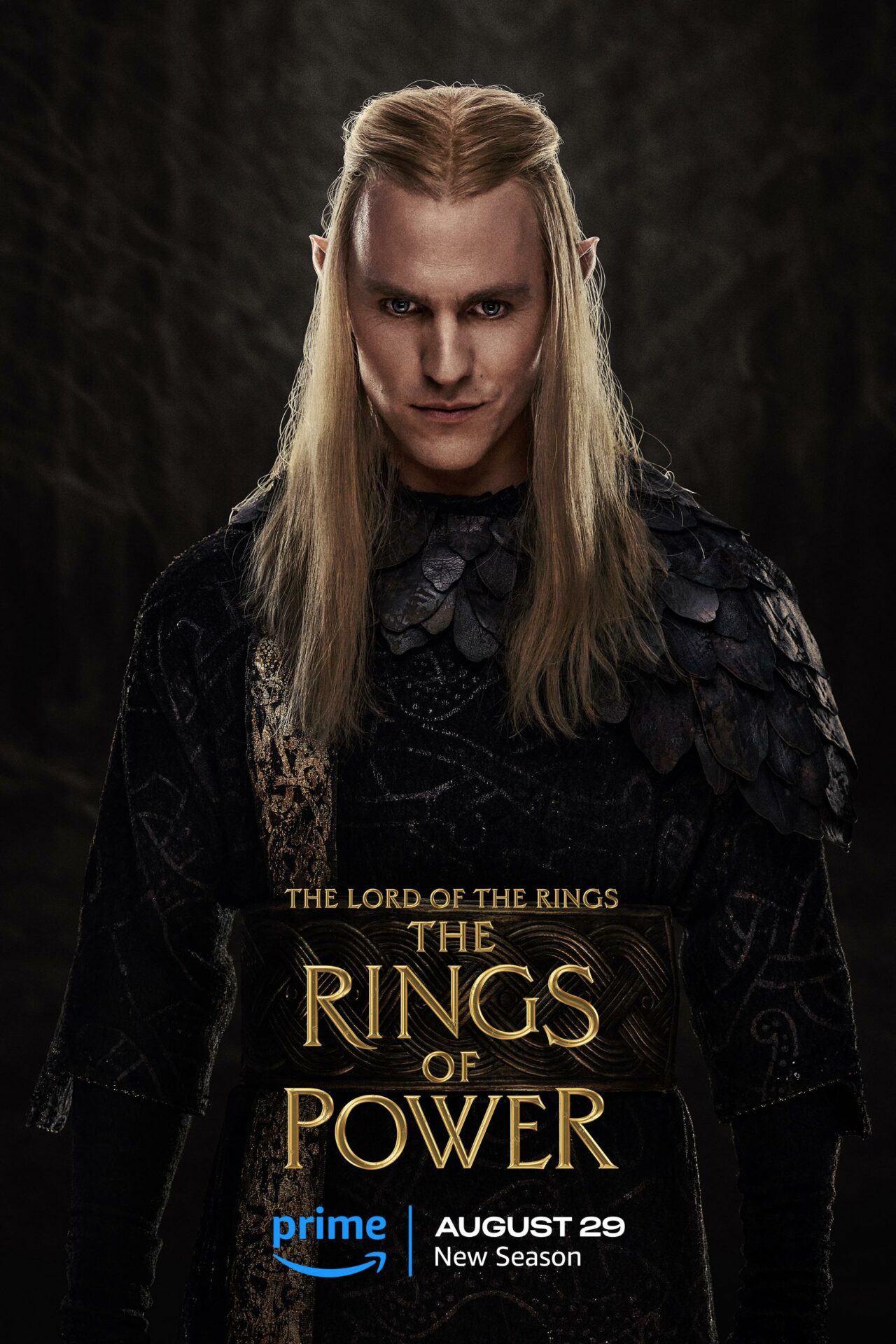
THE LORD OF THE RINGS: THE RINGS OF POWER: Episode 1.3-4: “Adar” and “The Great Wave”
Tolkien’s monotheistic masterpiece is marred by gratuitous violations.
Should You Watch It?
These episodes deepen the series’ good-versus-evil story and begin filling in the epic conflicts confronting its characters. The introduction of Númenor gives the story a larger setting, while the characters’ efforts to confront Sauron and the orcs provide clear heroic stakes.
The central problem is worldview. Four lines of dialogue refer to “gods,” including statements by the Queen Regent and Adar. The source review finds this a serious violation of Tolkien’s monotheistic history and universe. The episodes also stretch together stories separated by more than 2,200 years in Tolkien’s appendices.
The practical answer: discerning adults may wait and evaluate the series carefully, but children and young teens should not watch.
The Story
NO SPOILERS — WE KEEP THE SURPRISESGaladriel arrives in the island kingdom of Númenor and tries to persuade its Queen Regent to send an army against Sauron. The kingdom’s people have broken contact with the elves and distrust Galadriel.
Elsewhere, the stranger who fell into Middle-earth befriends the Hobbit girl Nori. Arondir, a black elf, is captured by orcs tunneling toward the Southlands, where he meets their leader, Adar.
Is It Any Good?
Three stars means these episodes have real strengths but significant weaknesses. They deepen the good-versus-evil tale begun in the first two episodes and start establishing the epic conflicts and jeopardies of the first season.
The episodes also bring in Númenor and reveal more about the orcs’ plans and leadership. However, the series appears to combine three stories from Tolkien’s appendices that are separated by more than 2,200 years. That timeline problem, together with the worldview departures, keeps the episodes from reaching their potential.
The Worldview
The series clearly wants to tell a heroic tale of good versus evil. Its moral structure includes courage, conflict, and opposition to evil, but the review finds that the show departs sharply from Tolkien’s monotheistic universe.
In Tolkien’s novels and stories about Middle-earth, the Supreme Being is known as Eru, “The One,” or Ilúvatar, “Father of All.” The Valar are described as God and His angels. These episodes instead insert references to “gods” in four lines of dialogue—once in Episode Three and three times in Episode Four. Adar also says that he intends to become a god. The source review considers this polytheistic perspective a serious distortion of Tolkien’s work.
The series also appears to mash together three separate stories from the appendices, despite more than 2,200 years separating them. For viewers who value the Christian, monotheistic perspective in Tolkien’s work, that change is a central concern.
The Bible is clear about the foundation Tolkien’s world reflects: “Hear, O Israel: The LORD our God, the LORD is one” (Deuteronomy 6:4).
The Content Guide
The specifics — spoilers included by nature — so you can judge for your own family.
Dominant Worldview and Other Worldview Content/Elements
Strong mixed pagan worldview inserts a polytheistic perspective into J.R.R. Tolkien’s monotheistic history and universe of LORD OF THE RINGS (people refer to “gods” in four pieces of dialogue in two episodes, once in Episode Three and three times in Episode Four, but there’s only one Creator God in LORD OF THE RINGS, its appendices, and its prequel, THE SILMARILLION), combined with a heroic moral tale of good versus evil in a fantasy setting
Foul Language
No foul language
Violence
Strong, sometimes scary action violence includes scary bipedal creatures called orcs attack and kidnap and kill people, orcs beat people, orcs slit one person’s throat in Episode Three (there’s not much blood but another person puts his hand over the wound and his hand becomes smeared with blood), orcs shoot arrows into another creature, vicious-looking wolf-like creatures attack people and pounce on them but people fight back, orcs chase young teenager in Episode Four and he has to defend himself and hide in a well, teenager boy and an elf in Episode Four run from some orcs who are firing arrows at them, there’s an intense fight in an alley in Episode Three between one man and four other men, and woman in Episode Four has a nightmare of a giant tidal wave destroying her island city
Sex
No sex
Nudity
No nudity
Alcohol Use
Alcohol use
Smoking and/or Drug Use and Abuse
No smoking or drugs;
Miscellaneous Immorality
People are rude and some human beings are suspicious of elves and seem to hate them.
Talk About It
Questions for the drive home, the dinner table, or the youth group.
The series presents a conflict between good and evil. What helps you recognize the difference between genuine goodness and merely powerful people?
Isaiah 5:20 · Romans 12:21The episodes introduce references to “gods” in a world that Tolkien made monotheistic. Why does Scripture insist that God alone is worthy of worship?
Deuteronomy 6:4–5 · Isaiah 44:6The people of Númenor have withdrawn from contact with the elves and are suspicious of them. How should Christians respond when fear or suspicion shapes the way they view others?
Leviticus 19:18 · James 2:1–4The orcs force people to serve their plans. What does the Bible teach about the difference between serving evil and pursuing righteousness?
Joshua 24:15 · Romans 6:12–14The Final Word
These episodes offer an expanding good-versus-evil story and begin to establish the season’s larger conflicts. But the scary violence and especially the insertion of polytheistic references into Tolkien’s monotheistic universe require discernment. For your family, the answer is WAIT AND SEE — ADULTS ONLY. For other viewing choices, see.