
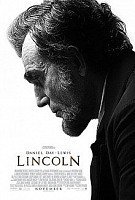
LINCOLN
Brilliant historical drama with strong content for discerning adults.
Should You Watch It?
Steven Spielberg’s LINCOLN is an engrossing, meticulously made drama about President Abraham Lincoln’s effort to pass the Thirteenth Amendment in January 1865. Its moral plea against slavery, racism, and prejudice is powerful. Daniel Day-Lewis leads superb performances, and the period detail is exquisite.
The film’s strengths come with serious costs. It contains strong, anachronistic foul language, strong war violence, and an attitude that political bribery and deception can be justified by a good outcome. It also presents a selective account of Lincoln and the Civil War, so it should not replace serious study of the historical record.
If you are a discerning adult prepared to engage those concerns, LINCOLN is worth seeing. For children and young teens, choose something else.
The Story
NO SPOILERS — WE KEEP THE SURPRISESIn January 1865, President Abraham Lincoln believes slavery will never be abolished unless Congress passes the Thirteenth Amendment immediately. With victory in the Civil War near, he works to persuade members of the House of Representatives to support the amendment.
Around the political struggle are Lincoln’s relationships with his wife, Mary, and their two remaining sons, young Todd and adult son Robert. Lincoln’s storytelling wit brings occasional lightness to the serious drama.
Is It Any Good?
Four stars means this is a highly accomplished film. LINCOLN is engrossing and captivating, with superb performances, including Daniel Day-Lewis as Lincoln. Its exquisite period detail creates a meticulous depiction of the past, while the serious drama is occasionally lightened by Lincoln’s fabled storytelling wit.
A couple of awkward scenes do not play well, including the opening scene involving the Gettysburg Address. Even so, the film’s performances and craftsmanship make it a strong work that is certain to attract major awards-season attention.
The Worldview
LINCOLN exalts the effort to abolish slavery and presents a strong moral plea against slavery, racism, and prejudice. The film gives particular weight to Lincoln’s fight for the Thirteenth Amendment and includes some religious references, including people looking to God when the amendment passes, verbal references to God, a “God bless you,” and the singing of “The Battle Hymn of the Republic,” which references the Second Coming of Jesus Christ.
The film offers only limited attention to Lincoln’s suspension of civil rights during the war, including habeas corpus and freedom of the press. It also largely omits historical details that could tarnish Lincoln’s reputation, including his earlier support for a proposed Thirteenth Amendment that would have perpetuated slavery. The political fight is presented with nuance, but the film suggests that achieving the good end of outlawing slavery can justify bribery, deception, and nearly lying—or, at least, obscuring the truth.
Some opponents of the amendment invoke God to argue that Black people were created inferior to white people, putting faith in God in a negative light. The film’s moral concern for justice is commendable, but its selective history and limited religious vision leave important questions unanswered.
The film’s central longing is for justice and freedom from oppression. Scripture says, “He has told you, O man, what is good; and what does the LORD require of you but to do justice, and to love kindness, and to walk humbly with your God?” (Micah 6:8).
The Content Guide
The specifics — spoilers included by nature — so you can judge for your own family.
Content Summary
Very strong moral worldview against slavery but with only some light, infrequently uplifting references to God, strong anachronistic foul language, and some strong politically correct revisionist history that obliterates many of the nuances about the history of President Lincoln and the War for Southern Independence, aka the Civil War, aka The War of Northern Agression; 24 obscenities (including four “f” words), 13 or 14 strong profanities (all but two are GDs), and three light profanities; strong war violence in one scene with soldiers fighting and dying in the rain almost completely hand to hand with swords and some guns, scene showing amputated limbs being dumped outside of a military hospital and buried, and man runs from a gun-toting human varmint; no sex scenes but unmarried interracial couple lies in bed, thus implying that they are living together without being married; no nudity; alcohol use; some smoking; and, bribery, an attitude of the ends (outlawing slavery) justifying the means, political obfuscation to win political battles, and racism but rebuked.
Talk About It
Questions for the drive home, the dinner table, or the youth group.
The film presents the abolition of slavery as a great moral good. What does Scripture say about justice, human dignity, and oppression?
Micah 6:8 · Proverbs 31:8–9When, if ever, can a good goal justify dishonest or manipulative methods? How does Scripture distinguish wisdom from deceit?
Proverbs 12:22 · 2 Corinthians 4:2Why is it important to study the historical record rather than relying only on a movie’s presentation? What does the Bible say about testing what we hear?
Acts 17:11 · 1 Thessalonians 5:21The film includes people invoking God to defend racial inequality. How should believers respond when God’s name is used to support injustice?
James 2:1–9 · Isaiah 10:1–2The Final Word
LINCOLN is a brilliantly performed, meticulously crafted moral drama, but it carries strong language, violence, selective history, and troubling ideas about political means. Discerning adults may find it worth the trip; children and young teens should stay home. For a family-friendly alternative, see.









