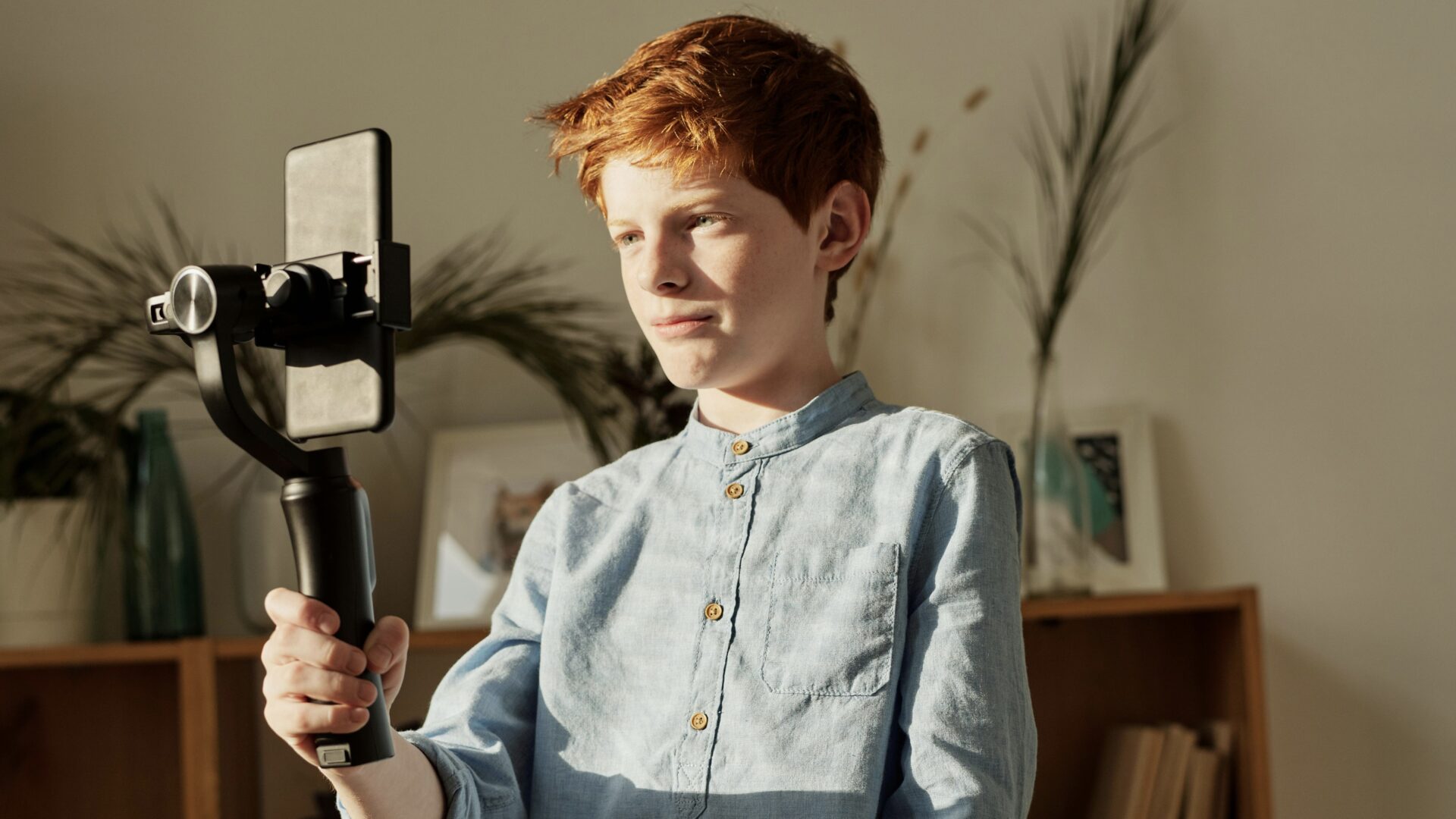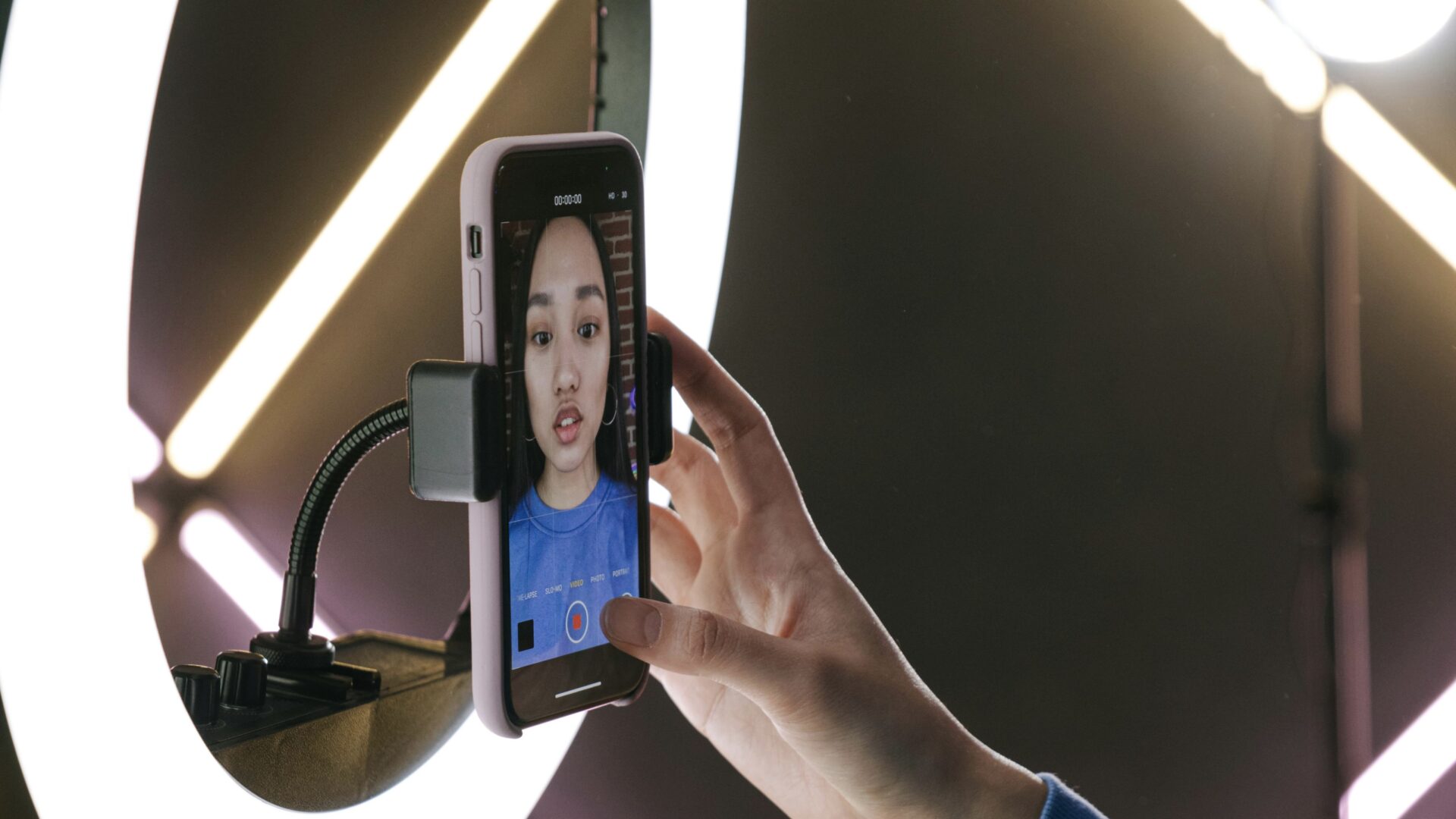
Ask a 7-year-old in Wisconsin or Norway what they want to be when they grow up, and don’t be surprised if they draw a YouTube logo instead of naming a job.
A new study found that kids across both countries gave strikingly similar reasons for that dream, explaining that influencers “gets lots of money” and “they want to be famous.”
The findings come from Matthew Simoneau, a professor of career and technical education at the University of Wisconsin-Stout Polytechnic, who has surveyed and interviewed hundreds of students in the US and Norway since 2021. His team spoke with more than 80 children ages 7 to 11 in Wisconsin, ran focus groups with over 140 middle and high schoolers and interviewed more than 60 Norwegian kids in the same age range.
Over 60% of the middle and high school students surveyed between 2021 and 2024 said they wanted to be social media influencers or had picked a future career based on something they saw online, according to the research. Professional soccer player, musician and actor rounded out the other popular answers.
“Our forthcoming research shows that social media has emerged as one of the biggest influences for young people’s career choice, second only to family, friends or teachers,” Simoneau wrote.
Related: Adult Men Dominate Young Influencer’s Instagram Fanbase
Younger kids in both countries sometimes skipped naming a job altogether, simply sketching the YouTube or TikTok logo and calling themselves an “influencer” without specifying what they’d actually influence. Older students named more traditional paths, like nursing, electrical work and teaching, though becoming a content creator stayed a common answer well into the teenage years.
Not every finding cut against traditional guidance, though. One student in a landlocked town told researchers that online videos convinced him to pursue marine biology, despite living more than 1,300 miles from the nearest ocean, proof that a screen can point a kid toward a real calling just as easily as a hollow one.
Simoneau’s research also turned up a disconnect between what schools measure and what actually shapes a kid’s ambitions. Many career-planning surveys used in districts today predate the social media era, and students said the exercises feel out of touch.
One 17-year-old Wisconsin student, already accepted into nursing school, called her assigned career survey a “waste of time. The test told me I should be a truck driver.”
The gap between the dream and the paycheck is wide. Nearly half of all online content creators earn less than $15,000 a year, a reality that rarely factors into a kid’s YouTube-logo drawing.
Movieguide® has tracked this shift for a while now. Actress Goldie Hawn recently called the child-influencer world a “nightmare,” and the docuseries BAD INFLUENCE dug into how exploitative “kidfluencing” can get for children put in front of a camera. Illinois has even passed a law requiring parents who feature their kids in monetized content to actually pay them for the work.
For Christian parents, the study reads less like an alarm bell and more like a nudge toward a conversation that’s overdue. Kids are already forming their sense of worth and purpose around fame and follower counts long before anyone sits them down to talk about calling, character, or where real significance comes from, and Simoneau’s research suggests that conversation is already happening online, with or without a parent in the room.
Read Next: Social Media Star Says ‘God’s Grace’ Is There for Her Online ‘Fails’
Questions or comments? Please write to us here.