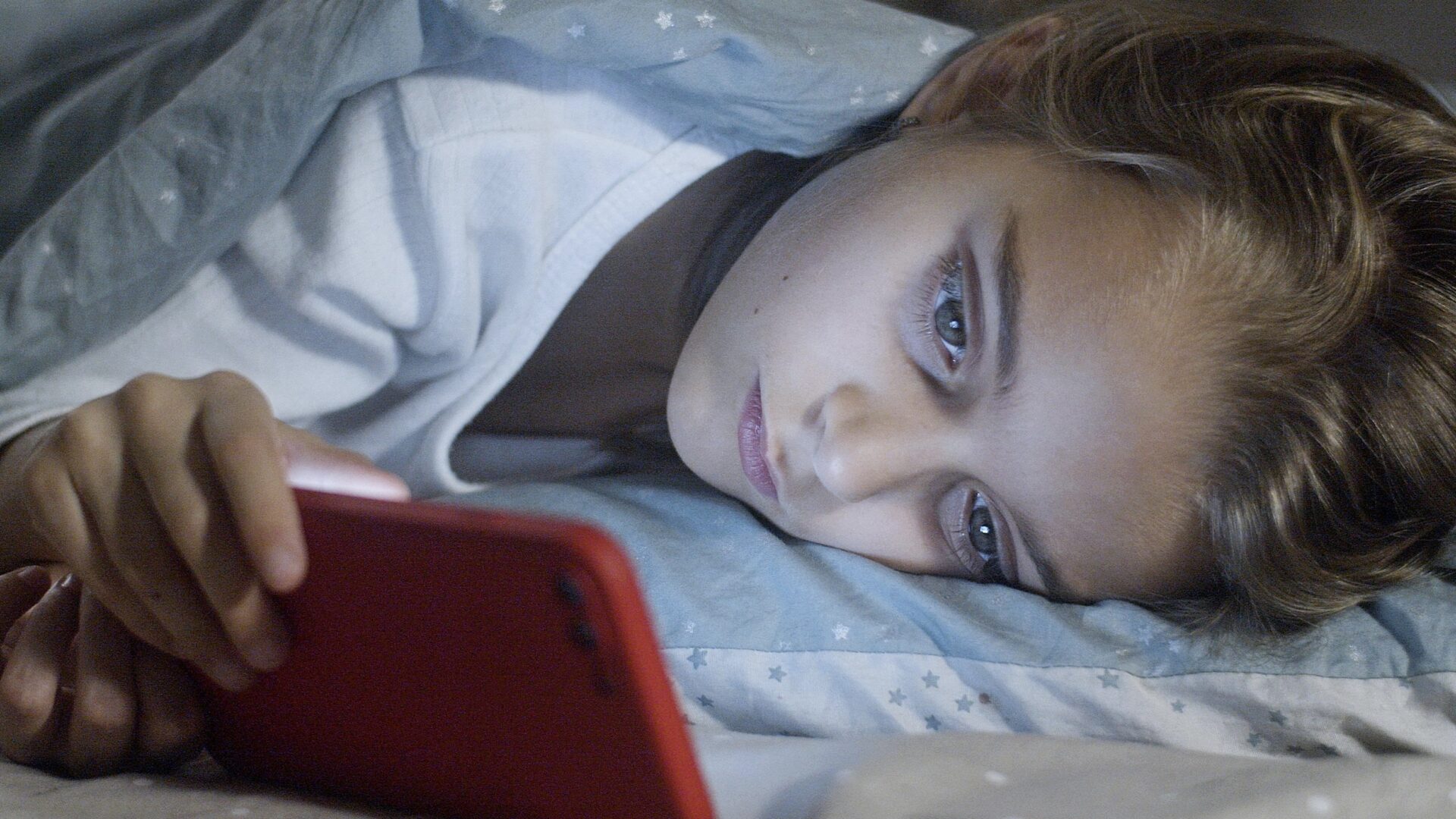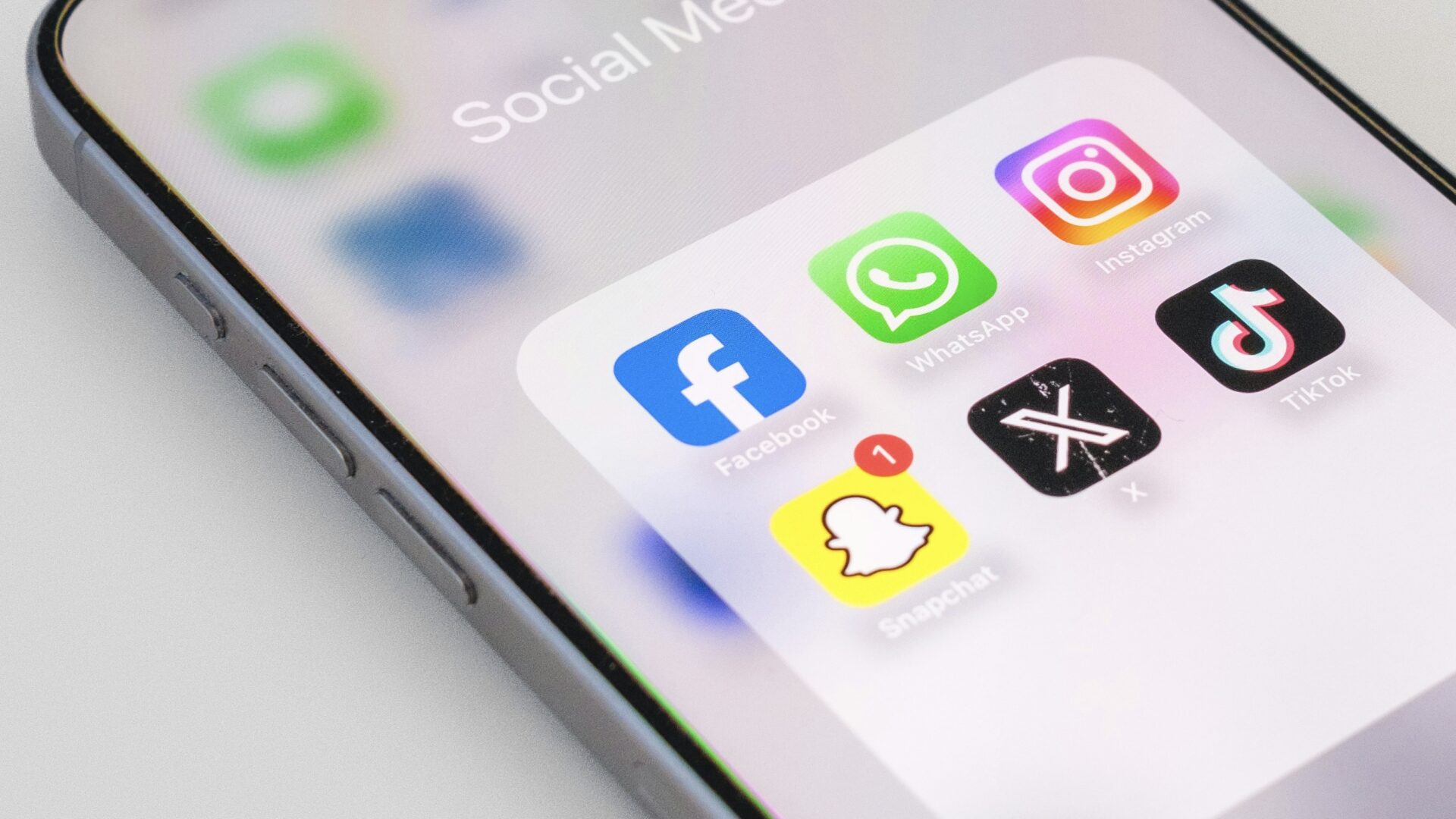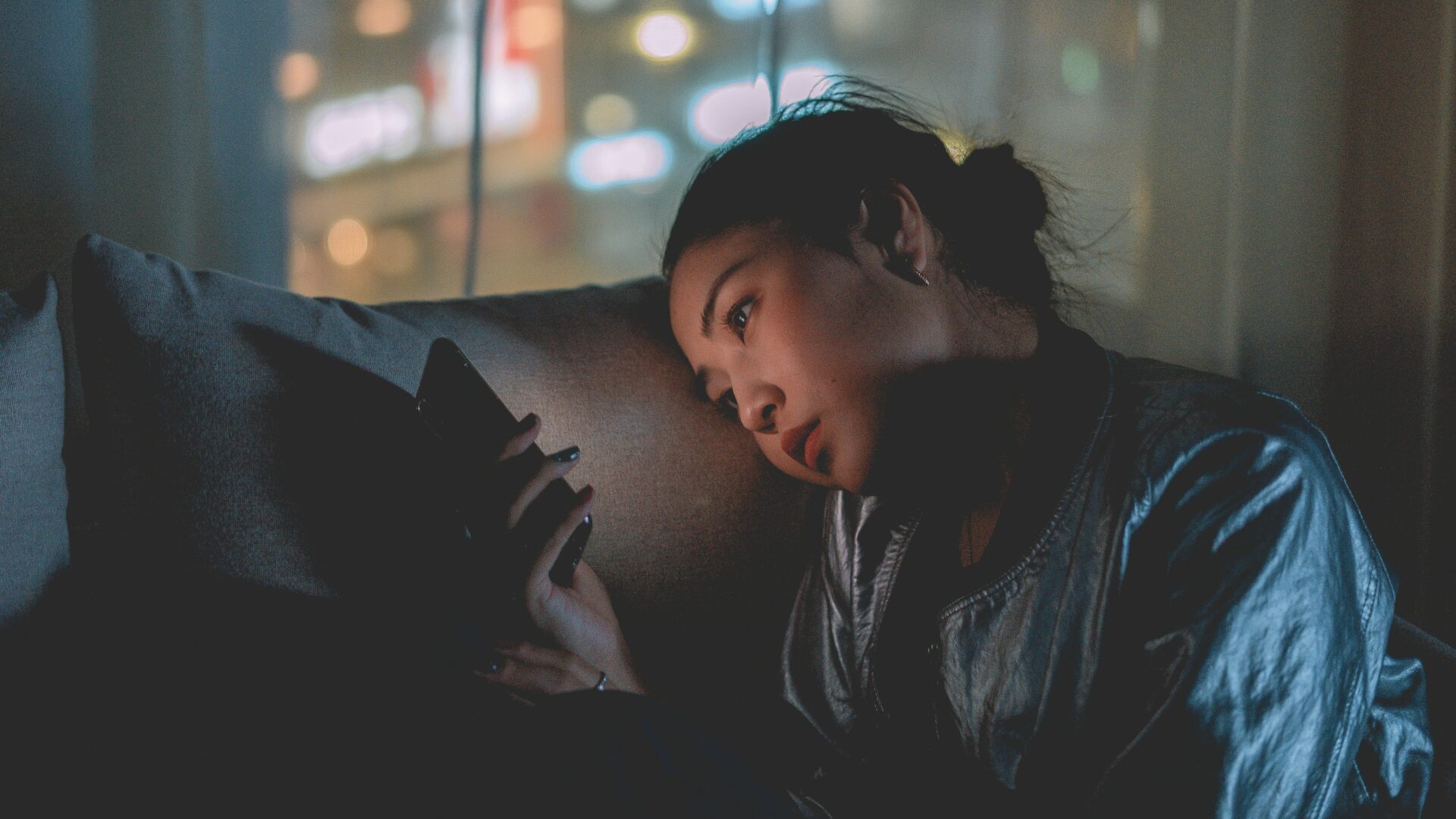
A recent study confirmed what we already knew. When children ditch social media, their sleep, ability to concentrate at school and stress levels all improve.
According to The Telegraph, the UK-based study followed more than 300 households which were split into three cohorts “where they either agreed to night-time curfews from 9 p.m. to 7 a.m., the removal of all their social media apps or a 15-minute daily limit per app.”
The study found that the curfew was the most “manageable” and improved sleep quality the best, and participating families felt it was the easiest to continue after the experiment, though children did use the apps more during the day to compensate for the nightly cutoff.
“Participants consistently reported a range of perceived benefits associated with reduced social media use, most notably improvements in sleep, mood, concentration, study time and family interaction,” the report about the experiment said.
“Young people frequently described going to bed earlier, feeling more rested, concentrating better in lessons and during revision and feeling calmer with reduced stress,” it continued.
The impact of screen time on sleep quality and the human sleep-wake cycle is well-documented.
“When it is bright outside, people become more alert. When it becomes dark, the body produces a hormone called melatonin that induces sleepiness,” the Sleep Foundation explained of the circadian rhythm.
Related: Is Your Teen Not Sleeping? It Might Be Their Smartphone
The group explained that tech like smartphones, tablets and TV screens emit blue light which is similar to the light from the sun.
“Not only does this light make people more alert, it also deceives the body into thinking it is still daytime,” the foundation said. “In response, the body produces less melatonin, interfering with the body’s natural sleep-wake cycle. The longer you spend on your screen, the greater the consequences.”
Findings like those from the UK experiment are pushing countries to consider or implement bans on social media for children under 16.
For example, Australia, Canada and the United Kingdom have set or are considering making 16 the minimum age for social media use. Comparable legislation is on the table in California, and most Americans actually support similar restrictions across the country, according to a recent Pew Research survey.
“These findings show what parents have been telling us all along: when children spend less time on social media, the benefits are real,” Liz Kendall, the UK’s Technology Secretary, said. “They sleep better, focus more and spend more time with friends and family.”
While social media comes with some benefits, turning it off seems to bring major quality-of-life improvements.
Read Next: Most Americans Back Social Media Ban for Kids Under 16
Questions or comments? Please write to us here.