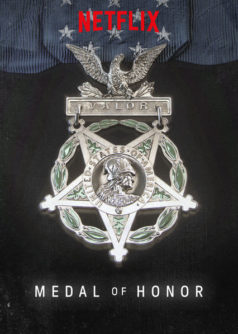
MEDAL OF HONOR: Ty M. Carter
Stories of heroism and self-sacrifice, told for discerning adults.
Should You Watch It?
This episode earns four stars because its dramatic sections remain excellent, and because it handles Post Traumatic Stress frankly. It also returns to the 2009 battle at COP Keating, connecting Staff Sergeant Ty Carter’s story with the battle previously presented in Episode 2.
The episode honors courage and self-sacrifice. Carter risked his life under open fire to give first aid and carry a wounded soldier to safety. But the content is heavy: many obscenities, violent warfare with deaths and bloody wounds, and material about wartime trauma.
Adults who can engage those subjects thoughtfully will find a compelling story of service and sacrifice. It is not appropriate for children or young teens. The practical answer: discerning adults should watch it, but families with younger viewers should choose something else.
The Story
NO SPOILERS — WE KEEP THE SURPRISESThis documentary episode revisits the 2009 battle at COP Keating, where Staff Sergeant Ty Carter risked his life to save a wounded fellow soldier. Dramatic sections portray the battle and Carter’s actions, while the episode also addresses his later openness about Post Traumatic Stress.
Is It Any Good?
Four stars means this is an excellent episode. The writing and performances in the dramatic sections remain excellent, and the return to the battle explored earlier in the season gives the episode added continuity.
Its frank treatment of Post Traumatic Stress also distinguishes it from the other episodes mentioned in the review. The episode combines strong dramatic work with a serious moral focus on bravery and self-sacrifice.
The Worldview
The episode presents bravery, patriotism, and self-sacrifice as the highest possible character traits. Its moral worldview is strong, especially in the account of a soldier risking his life to rescue a wounded fellow soldier. The episode also treats Post Traumatic Stress frankly, acknowledging that heroism does not erase the suffering carried home from war.
The review describes the episode’s worldview as stressing redemptive self-sacrifice. That emphasis aligns with Scripture’s honor for courage, service, and laying down one’s life for others. At the same time, the source does not identify a specific theological framework or explain how the film connects sacrifice to God. Jesus says, “Greater love has no one than this, that someone lay down his life for his friends” (John 15:13).
The Content Guide
The specifics — spoilers included by nature — so you can judge for your own family.
Content Summary
<strong>
Dominant Worldview and Other Worldview Content/Elements
</strong> Very strong moral worldview where bravery, patriotism, and self-sacrifice are the highest possible character traits; <strong>
Foul Language
</strong> 44 obscenities (mostly uses of the “f” word) and five profanities; <strong>
Violence
</strong> Violent warfare depicted with multiple deaths by gunfire and explosions, including several bloody wounds; <strong>
Sex
</strong> No sexual content; <strong>
Nudity
</strong> No nudity; <strong>
Alcohol Use
</strong> Several mentions of having beers socially; <strong>
Smoking and/or Drug Use and Abuse
</strong> Four mentions of smoking (including one mention of underage smoking), one mention of chewing tobacco; and, <strong>
Miscellaneous Immorality
</strong> Some dysfunctional family portrayals and content about suffering trauma from previous experiences during wartime.
Talk About It
Four questions for the couch, the commute, or the couple bingeing it together.
What does it mean to risk your life to help someone who is wounded? How does Jesus describe the greatest form of love?
John 15:13 · Philippians 2:3–4The episode addresses Post Traumatic Stress after wartime service. How should families and churches respond to people carrying invisible wounds?
Galatians 6:2 · Romans 12:15The story honors bravery and patriotism. How can love of country be expressed while remembering that our ultimate citizenship is in heaven?
Romans 13:1–7 · Philippians 3:20Why might a person who has acted heroically still struggle afterward? What does Scripture teach about bringing suffering honestly to God?
Psalm 34:18 · 1 Peter 5:7The Final Word
This is a powerful, well-acted episode about courage, rescue, and the wounds war can leave behind. Its many obscenities and violent content make it unsuitable for children and young teens. For discerning adults, it is WORTH WATCHING — ADULTS ONLY.