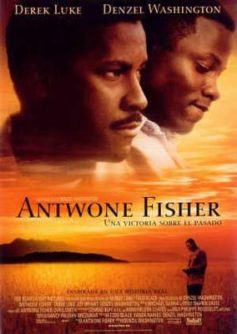
ANTWONE FISHER
A powerful story of anger, forgiveness, and finding where you belong.
Should You Watch It?
Antwone Fisher is emotionally charged and powerfully acted, with a central story about a young sailor learning to face the wounds behind his anger. Its themes of family connection, forgiveness, and choosing how to respond to painful memories give the drama a strong moral center.
But the film asks a real emotional and content cost from its audience. The story includes the endangerment, physical torment, and sexual abuse of children, a gory shooting, strong language, and the glorification of fornication. Those elements make this a discernment-level choice rather than a family movie for children.
If you are choosing for older teenagers or adults who can handle these disturbing subjects, Antwone Fisher is worth seeing for its excellent acting and emotionally satisfying drama.
The Story
NO SPOILERS — WE KEEP THE SURPRISESAntwone Fisher is a young Navy man whose hair-trigger temper has led to repeated fights and may cost him his place in the service. Required to see a Navy psychiatrist, he initially refuses to cooperate.
As Antwone begins to tell the story of his painful childhood, he must confront feelings of abandonment, betrayal, and anger. His search for family and understanding becomes tied to a difficult question: can he forgive those who hurt him before his anger controls his life?
Is It Any Good?
Four stars means this is a strongly recommended drama for the audience it can serve. The acting is excellent, including Derek Luke as Antwone Fisher and Denzel Washington as the Navy psychiatrist. The story is emotionally charged, and the climax is powerful and emotionally satisfying.
The film's strength comes from its serious treatment of a damaged young man's anger and its focus on family connection and forgiveness.
The Worldview
The film presents forgiveness as a way for the soul to become free from anger. Antwone must understand how his past shaped his decisions, while also recognizing that he can choose how to respond to the memories and people that haunt him. The story also emphasizes the need to be connected to one's family and the importance of discovering one's ancestors.
The film aligns with a biblical emphasis on forgiveness and includes a Thanksgiving prayer in Jesus Christ's name. However, its moral vision is marred by the depiction of a villainous Pentecostal “Christian” family, along with Romantic and pagan elements and a false taunt about another man possibly being homosexual. The film's focus on forgiveness is valuable, but its treatment of sexual behavior and some of its other content require discernment.
Scripture connects forgiveness with the character of God's people: “For if you forgive others their trespasses, your heavenly Father will also forgive you” (Matthew 6:14). The film's longing for family restoration points toward the deeper reconciliation Scripture offers through God.
The Content Guide
The specifics — spoilers included by nature — so you can judge for your own family.
Content Summary
Moral worldview where the biblical principle of forgiveness frees the soul and including Thanksgiving prayer in Jesus Christ's name, marred by depiction of villainous Pentecostal "Christian" family and Romantic, pagan elements and man falsely taunts another man about possibly being homosexual; about 20 obscenities, one strong profanity, two mild profanities, and use of derogatory terms, including one "faggot" and 10 "n" words; child abuse both physical and emotional, woman ties up boys and beats them with a wet towel, woman threatens to burn a boy with a flaming newspaper, man gets into three short fist fights when taunted by others, in self defense a storekeeper shoots a young man in the head - blood is everywhere, another man is gunned to death, at close range, and falls down a flight of stairs; implied fornication, man embarrassed by virginity and later proud of losing it - his "triumph" acknowledged by father figure, implied repeated statutory rape of young boy by an older teenage woman; upper male nudity in shower room with lots of men with towels around their waists; brief alcohol use; man smokes cigar; and, attempted robbery, preacher's wife mistreats foster children and psychotherapy scenes. GENRE: Drama B C Ab Ro Pa Ho LL N D M VV S
Talk About It
Questions for the drive home, the dinner table, or the youth group.
Antwone's anger grows out of abandonment and abuse. How can bringing painful memories into the light become part of healing?
Psalm 34:18 · James 5:16The film presents forgiveness as a way to avoid being imprisoned by anger. What is forgiveness, and what is it not?
Matthew 6:14–15 · Ephesians 4:31–32Antwone longs to know his family and ancestors. What can family give us, and where does Scripture say our deepest belonging is found?
Psalm 68:5–6 · Ephesians 2:19Antwone must choose how he responds to the people he encounters. How does self-control differ from simply suppressing anger?
Proverbs 16:32 · Galatians 5:22–23The Final Word
Antwone Fisher offers older teens and adults excellent acting, an emotionally powerful story, and a serious invitation to consider anger, family, and forgiveness. Its disturbing abuse, violence, language, and sexual content require discernment. For the right audience, our answer is WORTH THE TRIP — OLDER TEENS AND ADULTS.