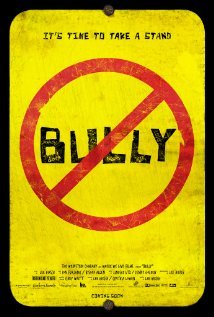
BULLY (2012)
An important bullying documentary weakened by language and ideology.
Should You Watch It?
BULLY raises important questions about bullying in public schools. It follows parents whose children committed suicide after being bullied, young teenagers facing harassment, and school officials who sometimes appear evasive when confronted with evidence.
But the documentary is weakened by its episodic structure, strong foul language, and a subplot involving a teenage girl who says she is a lesbian. The review finds little evidence of physical bullying in that case and regards the inclusion as a politically correct distraction from the film’s central subject.
The material also includes discussion of suicide, physical harassment, and sexual immorality. Because the film has some information to offer but is not suitable for children or young teens, wait for home and reserve it for discerning adults or mature older teenagers.
The Story
NO SPOILERS — WE KEEP THE SURPRISESThis documentary examines bullying in public schools across the United States. It interviews parents who lost children to suicide after bullying and follows several teenagers dealing with harassment.
The cameras capture bullying on a middle school bus and bring the footage to parents and school officials. Alongside those cases, the film follows a teenage girl who says she is a lesbian and feels shunned by students and people in her community.
Is It Any Good?
Two stars means BULLY has worthwhile material but does not become a consistently engaging documentary. Its strongest element is its attention to bullying through interviews, on-the-ground observation, and footage showing a student being physically harassed on a bus.
The film is too episodic to be truly engaging. Its focus also becomes less clear when it moves into the teenage girl’s story, which the review considers a distracting side issue.
The Worldview
BULLY presents bullying as a serious moral problem and includes a prayer and a reference to a Gospel song. It also shows parents grieving children who committed suicide and school officials who sometimes appear clueless, ineffective, or evasive. The film’s central concern—that bullying should not be ignored—aligns with a biblical call to reject cruelty and treat vulnerable people with care.
The review objects to the documentary’s treatment of homosexuality, describing the lesbian subplot and related imagery as politically correct and pro-homosexual. It also argues that the film gives insufficient attention to depression, the broader causes of youth suicide, and the need for a religious and biblical foundation in education. At the same time, the review says shunning children who identify as homosexual, or shunning their parents, is not the best answer; it points instead to preaching the Gospel, teaching the Bible, and discipling believers.
The film’s moral concern is real, but its worldview does not fully connect that concern to biblical truth. Scripture says, “Let no corrupting talk come out of your mouths, but only such as is good for building up” (Ephesians 4:29).
The Content Guide
The specifics — spoilers included by nature — so you can judge for your own family.
Content Summary
Light anti-bullying moral worldview with a prayer and Gospel song reference marred by politically correct pro-homosexual content regarding a teenage girl who thinks she’s a lesbian, along with some young lesbian friends; 13 obscenities (about eight “f” words) and four light profanities; some light violence and references to violence includes discussion of a couple teenager suicides, brief hitting, boys physically harass thin nerdy boy, talk about incident where a bullied girl brought a gun on the bus and had to go through the juvenile incarceration system; no graphic sex scenes, but strong sexual immorality two teenage girls say they are lesbian and hold hands and one sits on the other’s lap; naturalistic upper male nudity in one brief scene; no alcohol use depicted; no smoking or drug use depicted; and, bullying shown and school officials sometimes appear slightly clueless, ineffective, or evasive.
Talk About It
Questions for the drive home, the dinner table, or the youth group.
What does bullying reveal about the way people use power, and how should Christians respond to someone being mistreated?
Proverbs 31:8–9 · Philippians 2:3–4The film connects bullying with grief and suicide. How can a church or school notice suffering and offer real help?
Galatians 6:2 · Romans 12:15The review says shunning children or their parents is not the best answer. How can Christians speak truth while showing the compassion of Christ?
Ephesians 4:15 · Colossians 4:5–6What kind of moral foundation should schools and families give children when they face cruelty, loneliness, or peer pressure?
Deuteronomy 6:6–7 · Proverbs 22:6The Final Word
BULLY addresses a serious subject and captures some troubling examples of harassment. But its episodic storytelling, strong language, and sexual immorality make it unsuitable for children and young teens. WAIT FOR HOME — ADULTS ONLY is the prudent choice. For a different family movie night, see.