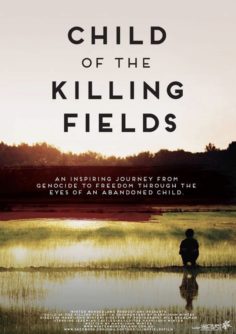
CHILD OF THE KILLING FIELDS
A fascinating, inspiring story of faith rebuilding lives after genocide.
Should You Watch It?
You should see this documentary if you want a clear, inspiring account of how faith, family, education, and economic opportunity can help rebuild lives after catastrophe. The film follows survivors of the Cambodian genocide and a child rescued from abandonment who grows into a leader serving his people.
The material is serious. Documentary scenes include photographs from the Cambodian Holocaust, along with references to violence and sex trafficking. Younger children may find those images and subjects difficult, but the film contains no foul language, alcohol use, smoking, or drug use.
For teenagers and adults, the four-star filmmaking and hopeful moral vision make this worth your time. WORTH THE TRIP — TEENAGERS AND ADULTS.
The Story
NO SPOILERS — WE KEEP THE SURPRISESThis documentary explores Cambodia’s history and people, beginning with the genocide under Pol Pot and following survivors through war, escape, and resettlement.
Its narrator, Jeremiah, was abandoned as a baby and rescued by Australian missionaries. They give him a family, an education, and a new faith. As he grows, he becomes involved in efforts to help Cambodian families build more stable and independent lives.
Is It Any Good?
Four stars means this is a highly effective documentary. It has a clear premise and a powerful plot, even while presenting history and testimony. The editing is superb, and the sound and music enhance the film.
The documentary is also structured in clear sections, moving from Cambodia’s ancient civilization to the experience of child soldiers and finally to a story of hope. Its presentation of survivors’ stories and its account of community restoration make the film fascinating and inspiring.
The Worldview
The documentary presents a strong Christian and anti-communist worldview. It portrays the Cambodian genocide and the resulting poverty, violence, and sex trafficking as consequences of destructive ideas and social conditions. Against that darkness, it emphasizes faith, family, education, and a sustainable aqua-culture project that helps families become financially independent.
The film includes overtly positive references to Jesus and the preaching of the Gospel. It also strongly favors free-market, pro-capitalist solutions, arguing that economic prosperity can help restore society. The documentary presents communism, socialism, paganism, and life without God as cultural problems, while showing faith and family as sources of hope.
The film’s central longing is for abandoned and impoverished people to receive family, dignity, opportunity, and a future. Scripture calls believers to care for the vulnerable: “Religion that is pure and undefiled before God, the Father, is this: to visit orphans and widows in their affliction” (James 1:27).
The Content Guide
The specifics — spoilers included by nature — so you can judge for your own family.
Dominant Worldview and Other Worldview Content/Elements
Very strong moral, anti-communist worldview with strong Christian elements, including overt positive references to Jesus, and a very strong free-market, pro-capitalist message
Foul Language
No foul language
Violence
Documentary scenes of violence, including photos from the Cambodian Holocaust and references to sex trafficking and violence
Sex
References to sex trafficking and violence
Nudity
Brief upper nudity of children running around
Alcohol Use
No alcohol use
Smoking and/or Drug Use and Abuse
No smoking or drugs;
Miscellaneous Immorality
Revealing portrayals of the evils of communism, paganism, and a life without God.
Talk About It
Questions for the drive home, the dinner table, or the youth group.
The film shows people rebuilding after violence and poverty. What responsibilities do Christians have toward vulnerable people in their communities?
James 1:27 · Galatians 6:10Jeremiah receives a family, an education, and a new faith. How can family and faith shape a person’s understanding of hope?
Psalm 68:5–6 · Romans 15:13The documentary connects poverty with difficult choices that harm families. How can honest work and wise stewardship help people pursue independence?
Proverbs 14:23 · 2 Thessalonians 3:10–12The film presents the Gospel as part of Cambodia’s restoration. What does Christian restoration look like beyond words?
Matthew 5:16 · Titus 3:8The Final Word
This is a serious film about genocide and suffering, but it is also a fascinating and inspiring account of lives changed through faith, family, education, and opportunity. For teenagers and adults able to handle the historical material, WORTH THE TRIP — TEENAGERS AND ADULTS.