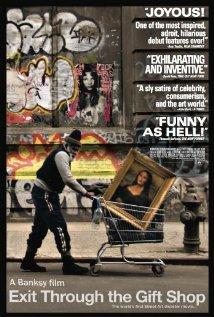
EXIT THROUGH THE GIFT SHOP
An adult satire of graffiti, hype, and commercialism.
Should You Watch It?
You will find an insightful and engaging documentary here. It follows graffiti artists as they cross from underground vandalism into mainstream street art, then uses that journey to examine how hype and media attention can transform almost anything into a commercial success.
The movie is also well edited and clear, especially considering the thousands of hours of footage gathered by Thierry Guetta. Its sardonic social commentary can be entertaining and educational for older viewers. But the content carries real spiritual and moral concerns, including foul language, homosexual artwork, sacrilegious artwork of Christ, and an overall theme of vandalism purloined as art.
The practical answer is simple: discerning adults may find it worth seeing, but it is not appropriate for children or young teens.
The Story
NO SPOILERS — WE KEEP THE SURPRISESThierry Guetta is an eccentric French shopkeeper obsessed with recording everything on his video camera. After meeting a group of graffiti vandals who call themselves street artists, Thierry follows them around the world and documents their work.
His subjects include Space Invader, Shepard Fairey, and the elusive Banksy. As Thierry spends years filming these artists, his own fascination with street art begins to reshape his life.
Is It Any Good?
Three stars means this is an entertaining, worthwhile documentary with clear strengths and limitations. The movie is engaging, interesting, and satirical. Its editing is especially effective, turning thousands of hours of Thierry’s footage into a clear and enjoyable 88-minute film.
The strongest element is its social commentary. The contrast between years of underground work and the power of a media blitz creates a sharp, often hilarious critique of hype and commercialism. The movie is not flawless, but its central cultural observation gives it lasting interest.
The Worldview
The documentary views graffiti vandals as street artists and examines how their work crosses into mainstream culture. It offers a powerful commentary on hype, media attention, and commercialism, especially as recognition transforms underground creators into sought-after pop artists.
That insight can help viewers question why certain works become valuable and how public opinion is shaped. Yet the film also presents vandalism as art, includes homosexual artwork and a homosexual interview subject, and features sacrilegious artwork of an infant Jesus wearing a bomb. Its worldview is described as mostly mixed strong paganism, with elements of Romanticism, humanism, capitalism, homosexual content, and feminism.
The film’s central concern is the power of cultural pressure and public approval. Scripture calls you to test such pressures rather than simply follow them: “Do not be conformed to this world, but be transformed by the renewal of your mind” (Romans 12:2).
The Content Guide
The specifics — spoilers included by nature — so you can judge for your own family.
Content Summary
; Mostly mixed strong pagan worldview with some elements of Romanticism, humanism, capitalism, homosexual content includes artwork of men kissing and homosexual is interviewed at art show, sacrilegious artwork of an infant Jesus wearing a bomb on his chest, and some feminist elements; eight obscenities, three profanities and one obscene gesture; man falls and breaks his leg and some violent images in artwork; no sex; rear male nudity on home video footage of baby boy; brief alcohol use depicted at family party; cigarette smoking; and, movie contains overall theme of vandalism masked as street art, lying, man says his street art is a “legal grey area,” running from police, and man makes art on currency but it is confused as counterfeit money.
Talk About It
Questions for the drive home, the dinner table, or the youth group.
The film examines how hype can turn questionable work into celebrated art. How can you test cultural approval instead of simply accepting it?
Romans 12:2 · 1 Thessalonians 5:21The documentary presents vandalism as street art. What responsibilities do we have toward other people’s property and toward the communities where we live?
Exodus 20:15 · Philippians 2:4The film includes lying and blurred lines around legality. Why does truthfulness matter even when dishonesty seems useful?
Proverbs 12:22 · Ephesians 4:25Commercial success drives much of the story. What does Jesus teach about the relationship between possessions, ambition, and devotion to God?
Matthew 6:19–24The Final Word
This is an engaging, well-edited documentary with genuinely sharp commentary on hype and commercialism. Its language, vandalism theme, and worldview concerns make it unsuitable for children and young teens. For discerning adults, WORTH THE TRIP — ADULTS ONLY. For family viewing, choose another title.