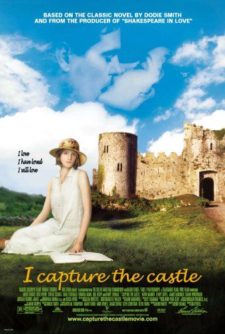
I CAPTURE THE CASTLE
A beautiful romantic drama where love meets poverty, sensuality, and moral confusion.
Should You Watch It?
I CAPTURE THE CASTLE is a beautiful, engaging romantic drama with lovely shots of castle towers and the Suffolk countryside. Its characters are interesting and winsome, and the film explores family loyalty, marriage, coming of age, and a man's struggle for worth and work.
But the romance comes with serious moral confusion. Love is often treated as a force that cannot be managed, while sensual pleasure and material gain motivate some characters. The film includes nudity, implied sexual situations, pagan practices, profanity, and alcohol use. Two characters do strive to love honorably, but the movie's ideas about love remain troubling.
If you are an adult willing to engage those concerns thoughtfully, this may be worth your time; for children and young teens, choose something else.
The Story
NO SPOILERS — WE KEEP THE SURPRISESIn 1930s England, a struggling writer moves his young family into a rundown castle in Suffolk. Isolation and poverty weigh on his daughters, Cassandra and Rose, until two American men inherit the castle.
Rose sees Simon as a possible escape from the life that has been crushing her. She and Cassandra scheme to bring the two together, but romance soon creates complications of its own.
Is It Any Good?
Three stars means a worthwhile but imperfect film. I CAPTURE THE CASTLE is beautiful, with lovely images of the castle towers and countryside. It tells an engaging story, and its characters are both interesting and winsome.
Romola Garai is fabulous as Cassandra, making her difficult to look away from. Henry Thomas does an excellent job as Simon. The film covers a great deal of ground, though some side stories are shortchanged while the focus remains on Cassandra and Rose.
The Worldview
I CAPTURE THE CASTLE is guided primarily by the heart and emotions. Cassandra tries to do what is right and good, but she eventually becomes caught in romance herself. Rose's romantic intentions are calculated: true love matters to her, but escape from poverty matters more.
The film includes two pagan practices that are not central and feel somewhat out of place. The characters find their centers in sensual things, and Stephen, the family's servant, begins with noble intentions toward Cassandra but is eventually corrupted by sensuality. Two characters pursue love honorably, and the story recognizes the importance of family loyalty, fidelity in marriage, and moral struggle.
The film's main flaw is its view that love is a force that simply cannot be managed. Cassandra writes, “There is no choice in love,” and “There are too many games in love.” These lines recognize the problems of love removed from its Divine Source and sacred definition. Scripture gives love a deeper foundation: “God is love” (1 John 4:8).
The Content Guide
The specifics — spoilers included by nature — so you can judge for your own family.
Content Summary
Romantic worldview with characters driven by the heart and emotions (though one tries hard to fight emotion), sensual pleasure and material gain as motivation for some main characters, two scenes involving pagan practices (wishing on a gargoyle and a midsummer pagan rite dance), with biblical values pursued by two characters to love others honorably; four light obscenities and six exclamatory profanities; one very brief slapping scene; two scenes of female characters imagining their wedding night with husbands walking in with no shirt, females sitting on beds in nightgowns, one scene of clothed making out stopped by one character for being "not right," scene of implied premarital sex (couple exiting bedroom in the morning), two instances of implied unfaithfulness, but nothing graphic depicted; fairly lengthy scene of non-sexual female nude from the waist up; and, three occasions of consuming alcohol, but no drunkenness. GENRE: Romance RoRo Pa O B L V S NN A M
Talk About It
Questions for the drive home, the dinner table, or the youth group.
The film presents love as difficult to understand and control. How does Scripture describe love's proper source and character?
1 Corinthians 13:4–7 · 1 John 4:7–8Rose weighs romance against escape from poverty. How can material needs distort our choices about relationships?
Matthew 6:19–21 · 1 Timothy 6:6–10Two characters try to love honorably, while others are led by sensuality. What does it mean to pursue purity and honor in relationships?
1 Thessalonians 4:3–5 · Philippians 4:8Cassandra faces a moral dilemma as she becomes caught up in romance. How can wisdom guide us when our emotions are strong?
Proverbs 3:5–6 · James 1:5The Final Word
I CAPTURE THE CASTLE is beautiful, engaging, and thoughtfully concerned with family, fidelity, and moral choice. Its mature content and confused view of love make it unsuitable for children and young teens. For discerning adults, the answer is WORTH THE TRIP — ADULTS ONLY. For other family options, see.