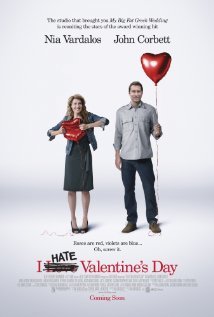
I HATE VALENTINE’S DAY
A charming romantic comedy with a strong heart.
Should You Watch It?
I HATE VALENTINE’S DAY is a warm, enjoyable romantic comedy with a strong heart. The story takes seriously the lasting damage that adultery and divorce can cause children, while pointing toward the goodness of genuine committed relationships.
The movie’s low budget and limited production values show, but Nia Vardalos and John Corbett have strong chemistry, and their performances hold the film together. The main concerns are an implied sex scene in which the couple spends the night in bed together and two homosexual co-workers who are mostly played for laughs.
If you are choosing for older teens or adults who can exercise discernment, this is a worthwhile romantic comedy; for younger children, choose something else.
The Story
NO SPOILERS — WE KEEP THE SURPRISESGenevieve, a flower-shop owner, follows a strict “five date only” plan designed to protect her from heartbreak. Each date has its place, and she never lets romance become too serious.
Then Greg, a new restaurant owner, disrupts her carefully arranged rules. As Genevieve begins to want more than the plan allows, she must face the old wound behind her fear: the memory of her father betraying her mother and leaving them both.
Is It Any Good?
Three stars means a charming, fun romantic comedy that succeeds more through its story and performances than through production polish. The film was made on a low budget and has few production values, but Nia Vardalos and John Corbett share great chemistry.
Vardalos co-wrote, directed, and stars in the movie, and the source review praises her work as a first-time director. The story’s emotional center also gives the comedy genuine weight. It is not lavishly made, but its heart and central relationship hold it together.
The Worldview
The film presents romance as something that should move beyond self-protective rules and toward genuine, committed relationships. Genevieve’s “five date only” plan grows out of the hurt caused by her father’s betrayal and departure, showing that adultery and divorce can leave consequences in a child’s life that last for years. The story also allows the father to redeem himself in the end.
That emphasis aligns with a biblical concern for faithfulness and the lasting effects of broken relationships. The film’s romantic worldview is light and includes two minor homosexual characters used for comic purposes, while also containing biblical elements. Its central longing for a lasting relationship is consistent with Jesus’ words: “What therefore God has joined together, let not man separate” (Mark 10:9).
The Content Guide
The specifics — spoilers included by nature — so you can judge for your own family.
Content Summary
Light Romantic worldview with some biblical as well as two minor homosexual characters used for comic purposes; no foul language; no violence; implied scene of fornication; no nudity but unmarried couple in bed together with sheets placed strategically; drinking of wine and other alcohol; no smoking; and, dialogue of how adultery impacted the daughter and negative father figure but he redeems himself in the end.
Talk About It
Questions for the drive home, the dinner table, or the youth group.
Genevieve’s fear grows from the pain caused by her father’s betrayal. How can family wounds shape the ways we protect ourselves from love and commitment?
Psalm 147:3 · Ephesians 4:31–32The film shows that adultery and divorce can affect children for a lifetime. What responsibilities do adults have when their choices may deeply affect others?
Malachi 2:16 · Romans 14:13Genevieve creates rules to keep herself from becoming vulnerable. When can wise boundaries protect us, and when can fear keep us from receiving good gifts?
Proverbs 3:5–6 · 1 John 4:18The story points toward genuine committed relationships. What makes a relationship faithful, honest, and worthy of trust?
1 Corinthians 13:4–7 · Ephesians 4:25The Final Word
I HATE VALENTINE’S DAY is a charming, heartfelt romantic comedy whose low-budget look is outweighed by its story and central chemistry. Implied sexuality and comic treatment of two homosexual characters call for discernment. For older teens and adults, the answer is WORTH THE TRIP — OLDER TEENS AND ADULTS.