
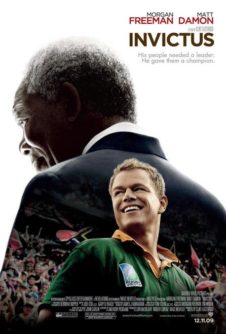
INVICTUS
Forgiveness bridges a divided nation in this stirring sports drama.
Should You Watch It?
INVICTUS is a stirring, spiritually uplifting drama about forgiveness and reconciliation. Its central moral is clear: a leader can help heal deep racial divisions by refusing revenge, respecting others’ values, and working with former opponents.
The film also offers strong performances from Morgan Freeman and Matt Damon, along with captivating and spectacular rugby scenes. Its Christian-positive elements include a prayer of thanks to God and an African song whose refrain means “God bless Africa.” Against that, the movie includes obscenities, an implied sexual encounter, and a humanist poem that celebrates human will.
This is a four-star film with −1 content: excellent and suitable for middle schoolers and up, while parents should use discernment with younger children. If that balance fits your family, it is worth the trip.
The Story
NO SPOILERS — WE KEEP THE SURPRISESNelson Mandela becomes president of South Africa after a hard-fought election. While some of his black supporters want to reject symbols associated with apartheid, Mandela urges forgiveness rather than revenge.
He reaches out to Francois Pienaar, the white captain of the national rugby team, and inspires him to lead his players during the 1995 World Cup. Together, they hope the team can help unite a divided country.
Is It Any Good?
Four stars means this is a superbly made, emotionally stirring drama. Clint Eastwood does another superb job as director, drawing excellent performances from Morgan Freeman and Matt Damon.
The film’s moral message is inspiring, heartfelt, and impressive. The rugby scenes, with their large crowds, are captivating and spectacular. The movie succeeds both as a sports drama and as a story about forgiveness and reconciliation.
The Worldview
INVICTUS presents forgiveness and reconciliation as the way forward after apartheid. Mandela teaches his supporters and the white rugby players not to seek revenge, but to work together and respect one another’s values and concerns. The film also emphasizes duty toward one’s country and the possibility that a sporting event can ease racial tensions.
The movie includes a prayer of thanks to God and an African song with a refrain meaning “God bless Africa.” At the same time, its title comes from William Ernest Henley’s famous humanist poem, which thanks “whatever gods may be” and concludes, “I am the captain of my soul.” The poem extols human will and inspires both Mandela and Francois. That humanist emphasis sits alongside, and somewhat minimizes, the film’s strong Christian values.
The film’s central call to forgive reflects Scripture’s command: “As the Lord has forgiven you, so you also must forgive” (Colossians 3:13).
The Content Guide
The specifics — spoilers included by nature — so you can judge for your own family.
Content Summary
Very strong moral worldview with strong Christian values and content stressing forgiveness and reconciliation, with a prayer of thanks to “the Lord” at the end and an African song has a refrain meaning “God bless Africa,” minimized by several references to a famous humanist poem, titled “Invictus,” which extols human will saying, “I am the captain of my soul” after giving thanks to “whatever gods may be for my unconquerable soul” (Invictus is Latin for “unconquered”), which also inspires the movie’s two protagonists, plus some strong patriotic values extolled as the new president of a country tries to unite two factions by appealing to their sense of duty toward their country; nine obscenities (including one “f” word) and no profanities; some rugby game violence during re-staged rugby games and people are afraid that their country’s new leader could be assassinated; no depicted sex scenes but fiancé enters her traveling partner’s hotel room and they kiss and disappear from shot, implying they will make love then; upper male nudity in locker room scenes; brief alcohol use; no smoking; and, racism and resentment overcome.
Talk About It
Questions for the drive home, the dinner table, or the youth group.
Mandela tells his supporters to forgive rather than seek revenge. What might forgiveness require when people have suffered injustice?
Colossians 3:13 · Romans 12:19–21The film shows a leader working with people from the other side to unite a country. When have you seen humility and cooperation repair division?
Philippians 2:3–4 · Romans 12:18The poem “Invictus” says, “I am the captain of my soul.” How is that different from trusting God’s strength and direction?
Proverbs 3:5–6 · John 15:5How can sports, music, or another shared activity help people overcome resentment?
Ephesians 4:1–3 · Psalm 133:1The Final Word
INVICTUS is a stirring, well-acted drama with a deeply moving message about forgiveness and reconciliation. Its obscenities, implied sexual activity, and humanist ideas call for discernment with younger viewers. For middle schoolers and up, WORTH THE TRIP — MIDDLE SCHOOL AND UP.









