
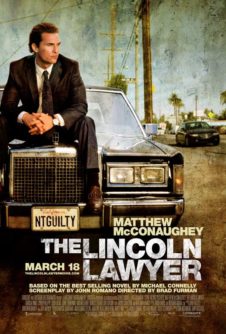
LINCOLN LAWYER
A gripping legal thriller with a costly crisis of conscience.
Should You Watch It?
Here is the decision plainly: Lincoln Lawyer is a gripping, well-made courtroom thriller with multiple twists, layered plotting, and an Oscar-worthy performance by Matthew McConaughey. Its strongest material follows a morally compromised attorney forced to confront what he believes about innocence, guilt, and true evil.
That strength comes with a heavy cost. The film includes graphic violence, implied sexual assault, lewd adult content, strong sexual themes, abundant profanity, alcohol and drug references, and a mixed pagan worldview. Its hero eventually does the right thing, but he spends much of the story using dirty and unethical tactics while making money from criminal defense.
Adults who can thoughtfully engage those elements may find a compelling moral crisis and excellent entertainment. Families with children or young teens should choose another film. WORTH THE TRIP — ADULTS ONLY is the practical answer.
The Story
NO SPOILERS — WE KEEP THE SURPRISESMichael Haller is a sharp Los Angeles defense attorney who conducts business from the back of his Lincoln Towncar. When a wealthy Beverly Hills client hires him to defend a sexual assault and attempted murder charge, Haller expects an easy plea bargain and a substantial payday.
Instead, the case draws him into an intricate web of murder, blackmail, and threats. As the evidence becomes more complicated, Haller must navigate the courtroom and a dangerous crisis that could bring his entire life crashing down.
Is It Any Good?
Four stars means this is an excellent, highly entertaining film. Lincoln Lawyer is slick, thrilling, and concise, deftly weaving together the novel’s multilayered plots. Its many twists and turns lead to an exciting conclusion.
Matthew McConaughey is perfectly suited to Haller, bringing both charm and intensity as the character unravels. The supporting cast is excellent as well, with impressive performances throughout. The film’s major weakness is not its craft but its substantial mature content, which makes its entertainment value appropriate only for discerning adults.
The Worldview
The film presents a strong mixed pagan worldview through an ethically challenged hero. It includes moral relativism, lying, bribery, blackmail, perjury, and a lawyer defending people he knows are guilty. Its moral center is limited but real: Haller experiences a crisis of conscience, recognizes his fear of evil, and eventually does the right thing. The film also includes a reference to the grace of God and a fight for a former client who was wrongfully imprisoned.
That moral movement gives the story some redemptive weight, but it does not erase the surrounding worldview. Haller’s professional cleverness is often tied to dirty tricks and financial gain, while the story’s criminal world includes prostitution, drug use, violence, and corruption. The film’s central question—what to do when confronted with true evil—lands more clearly than its spiritual answers.
A conscience awakened to evil needs more than cleverness or self-preservation. Scripture says, “Do not be overcome by evil, but overcome evil with good” (Romans 12:21).
The Content Guide
The specifics — spoilers included by nature — so you can judge for your own family.
Content Summary
Strong mixed pagan worldview with pagan elements regarding an ethically challenged hero, some light moral elements when hero eventually does the right thing, brief mention of alleged homosexual couple by calling them a derogatory name (which other characters frown upon), plus some light redemptive content such as one character says “by the grace of God,” protagonist says his greatest fear has become a fear of evil and protagonist fights for a former client he knows was wrongfully sent to prison; 47 obscenities and five or six profanities, including three or four strong ones; strong violence includes graphic images of woman with bruises and cuts on her face after being assaulted, flashback sequences depict assault against woman and includes punching, kicking and throwing through furniture, some strong courtroom dialogue throughout with regard to rape and assault and stabbing murder, partial photographic images of corpse with stab wounds on body, man tells a story about a murderer who decapitated his wife, images of bloody knife in an evidence photograph, man’s dead body is seen after shot in head with small pool of blood under head, bikers assault young man, man is shot in the belly, and he shoots the shooter self-defense; strong sexual content includes partially depicted sex between man and his ex-wife kissing and groping in bed, flashback sequences show men in a brothel dancing with scantily clad prostitutes, man is solicited by prostitute, strong dialogue throughout the movie regarding prostitution, and implied sexual assault, including brief verbal descriptions of female body part; no explicit sexual nudity but prostitutes are seen in brothel wearing lingerie, female cleavage, upper male nudity, and woman in bra and underwear shown; strong alcohol use depicted throughout and drunkenness depicted in two or three scenes; cigarette smoking and several conversations about marijuana, cocaine use and people being arrested for drug use and drug possession; and, lying, moral relativism, lawyer takes financial kickbacks under the table, bribery, blackmail, perjury, threats, breaking and entering, vandalism, and defense lawyer defends people he knows are guilty of crimes.
Talk About It
Questions for the drive home, the dinner table, or the youth group.
Haller’s greatest fear becomes a fear of evil. How should Christians respond when they recognize evil in themselves, their work, or their world?
Romans 12:21 · Psalm 97:10The film portrays a lawyer defending people he knows are guilty. What is the difference between seeking justice and using cleverness to escape responsibility?
Micah 6:8 · Proverbs 21:3Haller eventually does the right thing after a crisis of conscience. What helps a person move from moral awareness to faithful action?
James 1:22 · Romans 2:13The story includes references to grace, guilt, and wrongful imprisonment. How does the biblical understanding of justice differ from moral relativism?
Isaiah 5:20 · Ephesians 2:8–9The Final Word
Lincoln Lawyer is a superbly acted, twisting legal thriller with a serious moral question at its center. Its strong language, violence, sexual content, and mixed worldview make it unsuitable for children and young teens. For discerning adults who can handle the material, the answer is WORTH THE TRIP — ADULTS ONLY.









