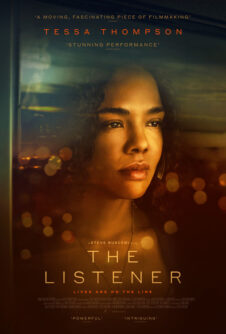
THE LISTENER
A lonely, foul-mouthed pandemic slog that never goes anywhere.
Should You Watch It?
Here is the decision plainly. THE LISTENER is a 96-minute character study of Beth, a woman who works nights on a call-in line for the lonely and desperate. It has one thing going for it — a lead character who speaks with real compassion and sympathy to the hurting people who call her.
But that thread of kindness is buried under everything else. The movie makes no attempt at a plot or any character growth. It's a slog, and it means to be: a reflection of pandemic boredom and loneliness that ends up as boring as the thing it depicts. Add lots of strong foul language and some lewd content, and there's little here to reward the hours you'd give it.
So our answer is simple: skip it. Even if the premise intrigues you, the payoff never comes.
The Story
NO SPOILERS — WE KEEP THE SURPRISESBeth spends her nights alone in her apartment, working as a listener on a call-in line for lonely and desperate people. One by one, voices reach her through the dark — each carrying its own sadness, its own trouble, its own need to be heard.
That's the whole shape of it: one woman, one room, a string of strangers on the line. Made in the shadow of the COVID lockdowns, the film sets out to capture what isolation felt like for millions. Whether that's a night worth spending is the question.
Is It Any Good?
Two stars, and here's what they mean. This is a deliberately minimalist film, and its ambitions are modest — but even judged by its own small scale, it doesn't land. Director Steve Buscemi gives viewers no sense of plot and no sign of character growth across the whole 96 minutes.
Tessa Thompson, of the CREED trilogy, is the only face we ever see, and the film asks everything of her — yet she shows no compelling emotion and no real emotional range, even as the callers cycle through grief, fear, and despair. The result is monotony broken only by the varying sadness of the voices on the line. A character study needs a character who changes, or at least one who grips us. This one offers neither.
The Worldview
THE LISTENER runs on a light humanist worldview. Its whole moral gesture is a good one on its face: a woman helps hurting strangers simply by listening, letting them vent and share their burdens. Scripture honors that impulse — the ministry of presence, of bearing another's weight. So far, so sympathetic.
But the film's answers stop where real hope would begin. In its longest conversation, a caller debates Beth on the meaning of existence and whether God exists. The caller is firmly against faith; Beth's best defense is only that she doesn't know what happens after death and dislikes the certainty of those who insist there's no God. That's the film's spiritual high-water mark — a shrug, not a hope. It gestures at the biggest questions and answers none of them.
Around that runs a light sympathy for the loneliness and boredom millions felt in lockdown, and glimpses of Beth's own hard past. But compassion without truth can only sit beside the suffering; it cannot lift anyone out of it.
The film aches for connection in the dark and never finds the light. Scripture points to the One who does: "The people dwelling in darkness have seen a great light, and for those dwelling in the region and shadow of death, on them a light has dawned" (Matthew 4:16).
The Content Guide
The specifics — spoilers included by nature — so you can judge for your own family.
Dominant Worldview and Other Worldview Content/Elements
Light humanist worldview where a woman listening to random callers tries to help them by just listening to them vent and share their problems, in one scene she gets into a debate on the meaning of existence and whether to believe in God (the caller is very much against faith while the woman’s best defense is that she doesn’t know what happens after death but doesn’t like the certainty atheists have that there is no God), plus the movie displays some light sympathy for the boredom and loneliness millions felt during the COVID pandemic lockdowns
Foul Language
At least 37 obscenities (including at least 27 “f” words) and two Jesus profanities
Violence
No violence
Sex
The listener briefly mentions that some men call her to masturbate to the sound of her voice, and one man is implied to be masturbating to the sound of her voice before she hangs up
Nudity
No nudity
Alcohol Use
Reference to past alcohol abuse
Smoking and/or Drug Use and Abuse
Reference to past drug use; and, Miscellaneous: The listener briefly mentions that her life in the past involved heavy alcohol and drug use and time in jail, and one man gets angry with her and threatens her before hanging up.
Talk About It
Questions for the drive home, the dinner table, or the youth group.
Beth helps people simply by listening. Where in your own life could the ministry of just being present and hearing someone out make a difference?
Galatians 6:2 · James 1:19One caller insists there is no God; Beth can only say she isn't sure. If someone pressed you on why you hope in God, what would you say?
1 Peter 3:15 · Psalm 42:5The film paints loneliness and isolation without offering a way out. What does Scripture promise to those who feel alone and forgotten?
Deuteronomy 31:6 · Psalm 68:6The movie gestures at the meaning of existence and what happens after death, then leaves the questions open. Where does the gospel give real answers to those same questions?
John 11:25–26 · Ecclesiastes 3:11The Final Word
There's a kind heart buried somewhere in THE LISTENER — a woman who sits with the hurting and simply listens. But a compassionate premise can't carry a plotless, joyless film weighed down by heavy profanity and lewd content. So here's our answer, the same one we opened with: skip it. Looking for something worth the evening instead? Try our latest family-friendly picks.