
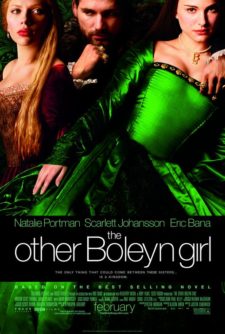
THE OTHER BOLEYN GIRL
Unreliable, compressed Cliff Notes on English history.
Should You Watch It?
The decision is fairly simple. The Other Boleyn Girl attempts to cover a great deal of English history in 113 minutes, but the result feels like unreliable, compressed Cliff Notes. Its fictionalized personal relationships receive far more attention than the religious history surrounding Henry VIII’s break with Rome and the founding of the Church of England.
The film does show that ambition, lust for power and jealousy are evil. It also includes moral and Christian elements that remind viewers of God’s truth. But it asks you to sympathize with adulterous women largely because the men around them are more corrupt and sinful. That strong Romantic and feminist outlook may trouble viewers with strong faith and values.
The sexual material and morally compromised story make this unsuitable for children and young teens. Wait for home, and only for discerning adults.
The Story
NO SPOILERS — WE KEEP THE SURPRISESMary and Anne Boleyn are drawn into King Henry VIII’s pursuit of an heir and his adulterous relationships with the sisters. Their father, Thomas Boleyn, and their uncle, the Duke of Norfolk, see the King’s attention as a way to gain power for the family.
The story unfolds around Henry’s first wife, Katharine of Aragon, and the political and personal consequences of his relationships with Mary and Anne. It also touches on the King’s eventual break with the Roman Catholic Church.
Is It Any Good?
Two stars means this historical drama has some worthwhile elements but falls short as a satisfying or insightful film. It tries to handle too much English history in a short running time, compressing about ten years and leaving important nuances and gaps behind.
The movie’s changes to the historical record do not provide great insight into the famous people or the era. It focuses on fictionalized personal relationships rather than the religious and cultural forces that shaped the period. The result is more a hurried summary than a richly developed historical drama.
The Worldview
The film presents a strong Romantic worldview with strong feminist attitudes. It centers the personal relationships among Henry, Anne and Mary while minimizing the Christian history surrounding Henry’s break with the Roman Catholic Church and the formation of the Church of England. The religious struggle, the Catholic Church and the Protestant movement receive little attention, including Anne Boleyn’s Christian declaration at her execution.
The movie does recognize that unrestrained ambition, lust for power and jealousy are evil. Anne and Mary’s mother repeatedly calls these things ungodly. Those moral elements remind viewers of God’s truth, even though the larger story ultimately asks viewers to sympathize with the sisters despite their adultery, ambition and jealousy.
The film also shifts blame toward the men around the women, especially the powerful men, because they are presented as more mean, corrupt and sinful. This revisionist history suggests that male society shapes some women to do evil things. The result is a moral imbalance: the women’s sins are not erased, but the film’s sympathy softens their responsibility.
Scripture does not treat adultery as righteous because someone else has behaved worse: “You shall not commit adultery” (Matthew 5:27). The film’s questions about power and desire therefore need to be tested against God’s standard, not merely against the failures of those who hold power.
The Content Guide
The specifics — spoilers included by nature — so you can judge for your own family.
Content Summary
Strong Romantic worldview with strong feminist content and revisionist history where male society shapes some women to do evil things, plus some positive Christian and moral elements, but viewers are asked to sympathize with adulterous women because the men around them, especially the more powerful ones, are more mean, corrupt and sinful; two light profanities; some violence (but not in your face graphic) includes implied beheading of two people (movie does not show the actual beheadings); strong sexual content includes passionate adulterous kissing and being in bed together, implied intercourse, woman proposes to brother that they have incest so that she can give her husband a male heir but they do not carry out the act, and rape strongly implied (not shown in explicit detail); upper male nudity and some shots of women’s bare backs, but nothing explicitly sexual; alcohol use; no smoking; and, ambition and lust for power rebuked, corruption, and jealousy.
Talk About It
Questions for the drive home, the dinner table, or the youth group.
The film shows ambition, lust for power and jealousy as evil. How do these desires change the way people treat one another?
James 1:14–15 · Philippians 2:3–4The characters’ adultery is treated with sympathy because others behave more corruptly. How should Christians distinguish compassion from excusing sin?
John 8:10–11 · Romans 6:1–2The movie gives little attention to God’s work through the Church and through history. How should Christians think about God’s place in human events?
Acts 17:26–27 · Romans 8:28What can happen when people use marriage, family and other relationships to gain power?
Mark 10:6–9 · 1 Timothy 6:9–10The Final Word
The Other Boleyn Girl has some moral observations, but its compressed history, sexual content and softened treatment of adultery make it a poor family choice. Discerning adults who remain interested should wait to watch it at home. WAIT FOR HOME — ADULTS ONLY. Consider these alternatives instead:









