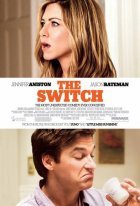
THE SWITCH
An unexpectedly warm comedy about fatherhood and family — for adults.
Should You Watch It?
The premise is distasteful: a drunken man secretly switches his genetic material for the donor sample intended for the woman he loves. That troubling choice drives the story, and the film does not begin on solid moral ground.
But THE SWITCH becomes a thoughtful comedy with genuine heart. Its witty banter, strong performances, and quietly powerful family moments lead toward a positive message about fatherhood and marriage. It also shows single parenthood as ultimately dysfunctional and emphasizes the emotional importance of a father’s presence in a child’s life.
The movie contains sexual innuendo, obscenities, light profanity, and references to fate. Adults who can handle those concerns may find the film’s final message worthwhile; families with children or young teens should choose something else.
The Story
NO SPOILERS — WE KEEP THE SURPRISESKassie decides to have a baby through artificial insemination after failing to find the right man. Her longtime friend Wally, secretly in love with her, is too neurotic to tell her how he feels.
Then, during a drunken mishap, Wally disrupts Kassie’s plans. Years later, Kassie returns to New York with her young son, bringing Wally back into both their lives. As he begins to recognize an unexpected connection with the boy, Wally must decide whether to remain stuck in his fears or grow up.
Is It Any Good?
Four stars means THE SWITCH is a highly effective comedy despite its deeply flawed beginning. Jennifer Aniston, Jason Bateman, and Thomas Robinson are superb, with Robinson described as a real find. The dialogue between the two leads is witty, and the film knows how to become serious without turning sappy.
Directors Josh Gordon and Will Speck make vibrant use of the supporting cast, New York City locations, a sharp score by Alex Wurman, and thoughtful indie-rock songs. The slapstick opening gives way to a more mature and moving story. The film’s strongest sequences show the emotional effect of a father’s absence and the chance to bond with a father figure.
The Worldview
THE SWITCH begins with a Romantic idea that a woman does not need a man to raise a child. Its central gimmick also treats artificial insemination and the substitution of genetic material in a morally troubling way. Yet the film changes direction, ultimately presenting fatherhood and marriage as essential to the child’s well-being.
The movie portrays single motherhood as dysfunctional and presents a two-parent home with a mother and father as the truly loving and optimal situation for the child involved. It also treats lying as a serious matter and allows honesty and forgiveness to win out. There is some moral relativism concerning sexual promiscuity and marriage, along with references to fate and pagan fertility imagery. At the same time, a crucial song includes a positive reference to praying to God, and the ending offers redemptive elements.
The film’s longing for a faithful family connects with Scripture’s charge to fathers: “Fathers, do not provoke your children to anger, but bring them up in the discipline and instruction of the Lord” (Ephesians 6:4).
The Content Guide
The specifics — spoilers included by nature — so you can judge for your own family.
Content Summary
Mixed light pagan worldview with a mention of fate twice (including at the end), which starts with Romantic elements reflecting the opinion that women don’t need men to raise a child but ultimately changes to strong family-values, including a moral message about the importance of fatherhood and a positive portrait of marriage at the end, with some redemptive elements, including a positive reference in song lyrics to praying to God in a crucial scene; 13 relatively light obscenities (no “f” words but mentally ill homeless guy calls a strange woman the “b” word several times), zero strong profanities and 17 light profanities (mostly My God); light violence includes man slaps woman and implied violence when child’s face is shown with a couple scratches after a schoolyard fight; mostly implied sexual content includes some comically intended euphemisms implying masturbation, artificial insemination and male seed, with implied scene of impending preparation by man to supply his own male seed after he spills other donor’s sample in sink and woman goes to man’s cabin for weekend but there are no scenes of them together there; brief rear male nudity in a stage play of HAMLET where the lead actor is nude and totally obscured frontal scene of lead character in the play, but the actor is mocked for playing the part nude; lead male character gets severely drunk, but immense consequences are depicted; no smoking but lead actress attempts to light a cigarette and lead actor throws it away from her; and, lying is key to the plot but is shown as a very serious matter and honesty and forgiveness win out, some moral relativism concerning sexual promiscuity and marriage but single motherhood is ultimately and strongly shown to be dysfunctional and is associated with pagan fertility images, plus a two-parent home of mother and father is depicted as the truly loving and optimal situation for the child involved and fatherhood and marriage are extolled.
Talk About It
Questions for the drive home, the dinner table, or the youth group.
The film begins with the idea that a man is unnecessary for raising a child but ends by honoring fatherhood. What does Scripture say fathers are called to provide?
Ephesians 6:4 · Psalm 103:13Wally’s lie creates serious consequences, while honesty and forgiveness eventually win out. Why are truth and forgiveness both necessary in damaged relationships?
Ephesians 4:25, 32The story presents marriage and a two-parent home as deeply important for a child. How can your family honor marriage and care well for children?
Genesis 2:24 · Mark 10:13–16The movie includes references to fate but also a positive reference to praying to God. How is trusting God different from leaving life to fate?
Proverbs 3:5–6 · Matthew 6:25–34The Final Word
THE SWITCH takes a morally troubling premise and turns it into a surprisingly warm celebration of fatherhood, marriage, honesty, and forgiveness. Its mature content requires discernment from adults, but its ultimate message has real value. WORTH THE TRIP — ADULTS ONLY. For a family-friendly alternative, see.