SMYRNA
A well-crafted historical drama about war, persecution, and the hope of peace.
Should You Watch It?
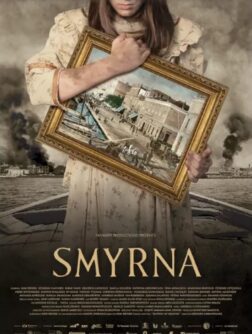
SMYRNA is a serious, well-crafted historical drama based on the true story of Smyrna’s fall to the Turkish army in 1922. Through one wealthy Greek family, it explores cultural tensions, persecution, family pressures, and the refugee crisis that continues to affect Greek descendants of Smyrna.
The film does not treat war as distant history. It shows the lasting consequences of corruption, injustice, and persecution while pointing toward the need for peace and the restoration of a people’s homeland. Its costs are real: some violence, wartime peril, mild foul language, and a bedroom scene.
If you are an older teenager or adult drawn to thoughtful historical drama, this is worth your time. For younger children, parents should use discernment and consider a gentler choice.
The Story
NO SPOILERS — WE KEEP THE SURPRISESIn 2015, Filio Williams gives her granddaughter a recipe book that is actually the journal of Filio Baltatzi, who lived through Smyrna’s turbulent history.
The journal carries the story back to 1916, when Smyrna is a lively port city filled with different nationalities and cultures. The wealthy Greek Baltatzi family lives alongside Turkish neighbors and servants as war, politics, and ethnic tensions threaten the city’s fragile peace.
Is It Any Good?
Three stars means a worthwhile, well-crafted period drama with a significant weakness. The cinematography and editing are superb, and the film succeeds as a serious piece of art. Some performances are strong.
The central portrayal of Filio, however, carries much of the movie’s plot and emotional weight, yet it is the weakest performance among the cast. That disappointing lead performance keeps SMYRNA from reaching its full potential, even as the film remains a compelling historical drama.
The Worldview
SMYRNA presents a strong moral worldview. It shows corruption, injustice, and war producing consequences that last across generations. The Baltatzis’ decision to treat their Turkish servants as family stands against ethnic hostility and gives the story a conviction about human dignity amid cultural conflict.
The film condemns persecution and highlights the suffering of people forced to flee their homeland. It also looks toward peace for a future generation and the restoration of a people’s homeland. Its moral vision aligns with biblical concern for justice and peace, though the source review does not describe the film as explicitly Christian.
The film’s central longing is for peace after persecution and for displaced people to recover what was lost. Jesus says, “Blessed are the peacemakers, for they shall be called sons of God” (Matthew 5:9).
The Content Guide
The specifics — spoilers included by nature — so you can judge for your own family.
Dominant Worldview and Other Worldview Content/Elements
Strong moral worldview, showing how corruption, injustice and war has lasting consequences
Foul Language
Mild foul language
Violence
The movie covers violent topics like World War I, the persecution of the Greek population in Smyrna in 1922, and other political perils including massacres, genocides, and war, the violence is not overly graphic but honestly the depicts the tribulations in Smyrna where people are shot, a city is shelled, and people flee their homeland
Sex
Implied fornication between a family member and one of their maids (no nudity is shown, but they are seen in their underwear in bed)
Nudity
Upper male nudity, plus a woman is seen in her underwear
Alcohol Use
Smyrna is a lively city where everyone drinks
Smoking and/or Drug Use and Abuse
Characters smoke throughout, but no drug references;
Miscellaneous Immorality
Corruption and injustice.
Talk About It
Questions for the drive home, the dinner table, or the youth group.
The film shows how corruption, injustice, and war can affect people across generations. What consequences of injustice do we still see around us, and how can Christians respond?
Micah 6:8 · Romans 12:21The Baltatzi family lives alongside people from another cultural and ethnic background. What does Scripture teach about treating neighbors and strangers with dignity?
Leviticus 19:33–34 · Luke 10:25–37SMYRNA points to the suffering of refugees and the hope of peace. How can your family pray for displaced people and become peacemakers where you live?
Matthew 5:9 · Hebrews 13:2The Final Word
SMYRNA is worth seeing for older teenagers and adults who value thoughtful historical drama. Its strong craft and moral seriousness outweigh its flaws, though parents should use discernment for younger children because of the content concerns. Our answer is WORTH THE TRIP — OLDER TEENS AND ADULTS.