THE CLUE TO LOVE
A gentle romance about wisdom worth cherishing.
Should You Watch It?
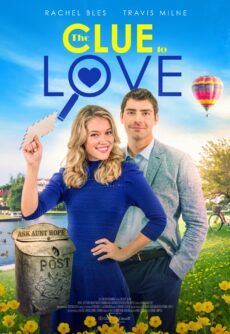
If you enjoy romantic dramas with small-town charm, The Clue to Love offers a pleasant, well-made story about a Chicago journalist whose assignment brings her to Hope Cover. Audrey’s work introduces her to a local advice column built around inspiration, wisdom and the counsel of elders.
The plot is familiar, and the movie could use more jeopardy. The female lead gives a good performance, while the male lead feels somewhat static. Still, the positive moral worldview and entertaining presentation give the film worthwhile appeal.
This is a good choice for older children and adults, while parents should use discernment with younger children because of one brief same-sex “marriage” reference. Practical answer: watch it if your family enjoys gentle romance and can discuss that brief content thoughtfully.
The Story
NO SPOILERS — WE KEEP THE SURPRISESAudrey hopes to earn a promotion at her Chicago newspaper, so her boss sends her to Hope Cover to write about a small local paper that won a Pulitzer Prize. There, she meets Morgan, the paper’s Editor-in-Chief, who is taking over from his father.
As Audrey investigates the newspaper and its mysterious advice columnist, “Ask Aunt Hope,” she learns how the column has encouraged people throughout the town. She also begins falling for Morgan, who is dating someone else.
Is It Any Good?
Three stars means this is a solid, entertaining movie with noticeable limitations. The film is well made, and the main female lead does a good job carrying Audrey’s story.
The central plot is not new, and the movie needs more jeopardy to heighten the romantic drama. Morgan, the main male lead, is also somewhat static. Even so, the film’s pleasant presentation and accessible story give it enough appeal for viewers who enjoy this genre.
The Worldview
The film presents a positive moral worldview centered on listening to wisdom and advice from elders. The “Ask Aunt Hope” column brings inspiration and practical wisdom to people in the community, and Audrey comes to recognize the value of that influence. The story’s emphasis is not on rebellion or cynicism, but on learning from counsel and cherishing wisdom.
The film does include a brief scene implying a same-sex “marriage.” That moment departs from a biblical understanding of marriage, even though the movie’s broader moral emphasis on receiving wise counsel is compatible with Scripture.
The film’s central longing is for guidance that helps people make wise choices. “The way of a fool is right in his own eyes, but a wise man listens to advice” (Proverbs 12:15).
The Content Guide
The specifics — spoilers included by nature — so you can judge for your own family.
Dominant Worldview and Other Worldview Content/Elements
Moral worldview about listening to wisdom and advice from elders, but homosexuality is implied in one scene when a man says, “I’m going to be a father. If I don’t leave now, my husband will be upset”
Foul Language
No foul language
Violence
No violence
Sex
No sex scenes, but homosexuality is implied when a man says, “I’m going to be a father. If I don’t leave now, my husband will be upset”
Nudity
No nudity
Alcohol Use
Light alcohol use
Smoking and/or Drug Use and Abuse
No smoking or drugs;
Miscellaneous Immorality
Nothing else objectionable.
Talk About It
Questions for the drive home, the dinner table, or the youth group.
Audrey learns that advice can bring wisdom and encouragement to a community. When has wise advice helped you make a better choice?
Proverbs 12:15 · James 1:5The story values listening to elders. Why can it be difficult to receive correction or guidance from someone older?
Proverbs 1:5 · Proverbs 19:20How should Christians respond when a movie presents a view of marriage that differs from Scripture?
Genesis 2:24 · Ephesians 4:15The Final Word
The Clue to Love is a warm, entertaining romantic drama with a positive emphasis on wisdom and good advice. Its familiar plot and limited jeopardy keep it from greatness, and parents should use discernment with younger children because of a brief same-sex “marriage” reference. WORTH THE TRIP — MIDDLE SCHOOL AND UP.