THE GOOD COP: Season One: Will Big Tony Roll Over?
Son’s on patrol, dad’s on parole — a funny but morally messy episode.
Should You Watch It?
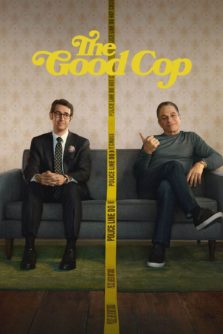
“Will Big Tony Roll Over?” pushes The Good Cop deeper into its bizarre comic world. Tony must decide whether to testify against a guilty cellmate, while his son investigates and Tony faces a plot to silence him. The episode gets its humor from the contrast between Tony’s gross, unethical behavior and his son’s goofy awkwardness.
That moral mess is also the cost. Tony uses marriage and law enforcement for personal benefit, and the episode includes sexual humor, alcohol, smoking, and violence. Still, the story ultimately has its characters choose to do the right thing and put themselves in danger for others.
Watch if you are choosing for older children or adults and can discuss the episode’s mixed moral signals. For younger children, choose something else.
The Story
NO SPOILERS — WE KEEP THE SURPRISESTony’s cellmate is about to be prosecuted, and Tony must decide whether to testify against a guilty man or remain loyal to his belief in not snitching. When law enforcement offers him a luxurious safehouse, Tony treats it as a vacation with his girlfriend, who later becomes his wife.
Meanwhile, someone is plotting to murder Tony before he can talk. Tony’s son must navigate the case while trying to make sense of his father’s strange choices.
Is It Any Good?
Three stars means this episode is entertaining but uneven. Tony Danza’s character becomes increasingly gross and unethical, while Josh Groban’s character grows even goofier. That awkwardness makes the episode funnier.
The central problem is credibility. It is difficult to imagine Tony ever having been a police officer, and viewers may likewise wonder how Groban’s awkward, sometimes oblivious character became the lead investigator in a major homicide squad. The episode has comic energy, but its characters’ behavior can make the story difficult to take seriously.
The Worldview
The episode presents a light moral worldview in which characters lie about doing the right thing for personal profit. Tony’s immoral use of marriage and law enforcement is treated as part of his gross, unethical character, and his choices raise serious questions about abusing institutions meant to serve others.
The episode does not leave morality entirely behind. In the end, the characters choose to do the right thing, even when doing so puts them in danger for the sake of others. That final choice points toward a biblical understanding of moral responsibility, though the episode’s earlier celebration of profit-driven behavior remains troubling.
The central question is what a person should do when the right choice is costly. Scripture answers plainly: “So whoever knows the right thing to do and fails to do it, for him it is sin” (James 4:17).
The Content Guide
The specifics — spoilers included by nature — so you can judge for your own family.
Content Summary
<strong>
Dominant Worldview and Other Worldview Content/Elements
</strong> Light moral worldview where characters lie about doing the right thing in order to profit themselves and where immoral actions like marrying someone for profit are celebrated by a main character, but also where characters elect to do the right thing in the end, choosing to put themselves in danger for the sake of others; <strong>
Foul Language
</strong> At least, one obscenity, at least five mild profanities; <strong>
Violence
</strong> A car explodes on screen with a man inside, one joke about a dog killing a man, one joke about suicide, a foot chase scene which ends in a tackle, one gory wound shown onscreen; <strong>
Sex
</strong> Several sexual jokes involving a newly married couple on their honeymoon, a scene takes place in a strip club, a woman tells a man he’s not “getting laid”; <strong>
Nudity
</strong> Upper male nudity and one scene takes place in a strip club where several women are scene in only underwear; <strong>
Alcohol Use
</strong> Several scenes in a bar with multiple characters drinking, several scenes where characters drink liquor socially; <strong>
Smoking and/or Drug Use and Abuse
</strong> Many scenes where characters smoke cigars and discuss smoking cigars, but no drugs; and, <strong>
Miscellaneous Immorality
</strong> Greed, abuse of power, immoral use of marriage.
Talk About It
Four questions for the couch, the commute, or the couple bingeing it together.
Tony must decide whether to testify against a guilty man or protect his belief about not snitching. How should Christians think about loyalty when it conflicts with truth and justice?
Proverbs 12:22 · Ephesians 4:25The episode shows marriage being used for profit. What does Scripture say marriage is for, and how does selfishness damage a covenant?
Genesis 2:24 · Hebrews 13:4The characters ultimately choose to do the right thing despite personal danger. When has doing what is right required courage from you?
James 4:17 · Micah 6:8Tony uses law enforcement for personal benefit. What responsibilities come with positions of authority?
Romans 13:1–4 · Mark 10:42–45The Final Word
The Good Cop remains funny because its characters are so bizarre, but Tony’s unethical behavior and the episode’s sexual content, alcohol, smoking, and violence make discernment necessary. WORTH WATCHING — OLDER CHILDREN AND ADULTS who can discuss its mixed moral choices.