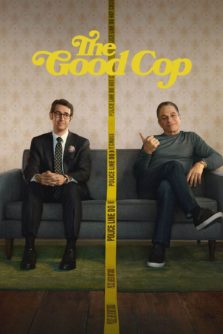
THE GOOD COP: Season One: Will the Good Cop Bowl 300?
Son’s on patrol, Dad’s on parole — but this case misses the mark.
Should You Watch It?
This episode has a promising comic setup: Tony’s bowling team is close to the regional tournament finals when a gruesome murder forces TJ to investigate at the bowling alley. The problem is that TJ is terrible at bowling, and Tony decides that cheating is better than losing.
The episode’s moral resolution says that truth and justice win, but its central characters make bad choices along the way. Tony chooses cheating and “winning” over justice, while the story asks viewers to take seriously the idea that TJ might abandon a long and successful police career because he is good at bowling.
Violence and alcohol use make this a poor choice for younger children. For older children and adults, wait for a better episode unless the comic elements and moral questions particularly appeal to your family.
The Story
NO SPOILERS — WE KEEP THE SURPRISESTony leads his bowling team toward the semi-finals of a regional tournament. When a gruesome murder occurs at the bowling alley, TJ joins his father’s team while investigating the crime.
There is one major complication: TJ is terrible at bowling. Tony secretly creates a plan to make his son appear better than he is, but the deception threatens to affect TJ’s career.
Is It Any Good?
Two stars means this episode has some amusing elements but falls short overall. Josh Groban appears more comfortable with the comic parts of TJ’s character, or the writers may have adjusted more successfully to Groban’s unique personality.
The premise stretches credulity. TJ seems willing to give up his long and successful career as a cop simply because he is somewhat good at bowling. That questionable setup, along with the episode’s moral problems, keeps this installment from being especially satisfying.
The Worldview
The episode presents a light moral worldview in which truth and justice ultimately defeat a character’s plan for self-profit. It also suggests that cheating and winning do not ultimately benefit anyone. However, the main characters make bad decisions that run contrary to the episode’s own ethics, particularly when Tony chooses cheating over justice.
Christian imagery appears in a mention of being God’s divine instrument. The episode’s moral direction can align with a biblical concern for truth and justice, but its characters’ choices show how easily self-interest can distort those commitments.
Scripture calls believers to reject falsehood and speak truthfully: “Therefore, having put away falsehood, let each one of you speak the truth with his neighbor” (Ephesians 4:25).
The Content Guide
The specifics — spoilers included by nature — so you can judge for your own family.
Content Summary
<strong>
Dominant Worldview and Other Worldview Content/Elements
</strong> Light moral worldview where truth and justice win out over a character’s plan for self-profit and where choosing to cheat ultimately doesn’t profit anyone, yet main characters make bad decisions that run contrary to the ethics of the episode, and some Christian imagery includes a mention of being God’s divine instrument; <strong>
Foul Language
</strong> One obscenity, one serious profanity (God’s name); <strong>
Violence
</strong> Onscreen grappling for a weapon, a man is shot in the head onscreen (no gore), a man finds blood in a bowling ball, one mention of suicide; <strong>
Sex
</strong> No sex; <strong>
Nudity
</strong> No nudity; <strong>
Alcohol Use
</strong> One mention of “needing a drink,” a man is shown holding a beer and talking about drinking it, two scenes take place in a bar with multiple characters drinking, one mention of drinking socially after work, one man wakes up surrounded by beer bottles; <strong>
Smoking and/or Drug Use and Abuse
</strong> No smoking or drug content; and, <strong>
Miscellaneous Immorality
</strong> Cheating, gambling.
Talk About It
Four questions for the couch, the commute, or the couple bingeing it together.
Tony chooses cheating and “winning” over justice. Why can success never make dishonesty right?
Proverbs 12:22 · Ephesians 4:25The episode suggests that cheating ultimately does not profit anyone. When have you seen dishonesty create bigger problems?
Galatians 6:7 · Luke 16:10What should a police officer value more than personal success or recognition?
Micah 6:8 · Proverbs 21:3The episode mentions being God’s divine instrument. What would it mean to pursue justice as service to God rather than self-profit?
Romans 13:1–4 · Colossians 3:23The Final Word
This episode has some comic promise, but its far-fetched premise, questionable choices, violence, and alcohol use make it a poor fit for younger children. For your family, the answer is WAIT AND SEE. Looking for a stronger choice? Start here: